What a site runner bakkie is used for
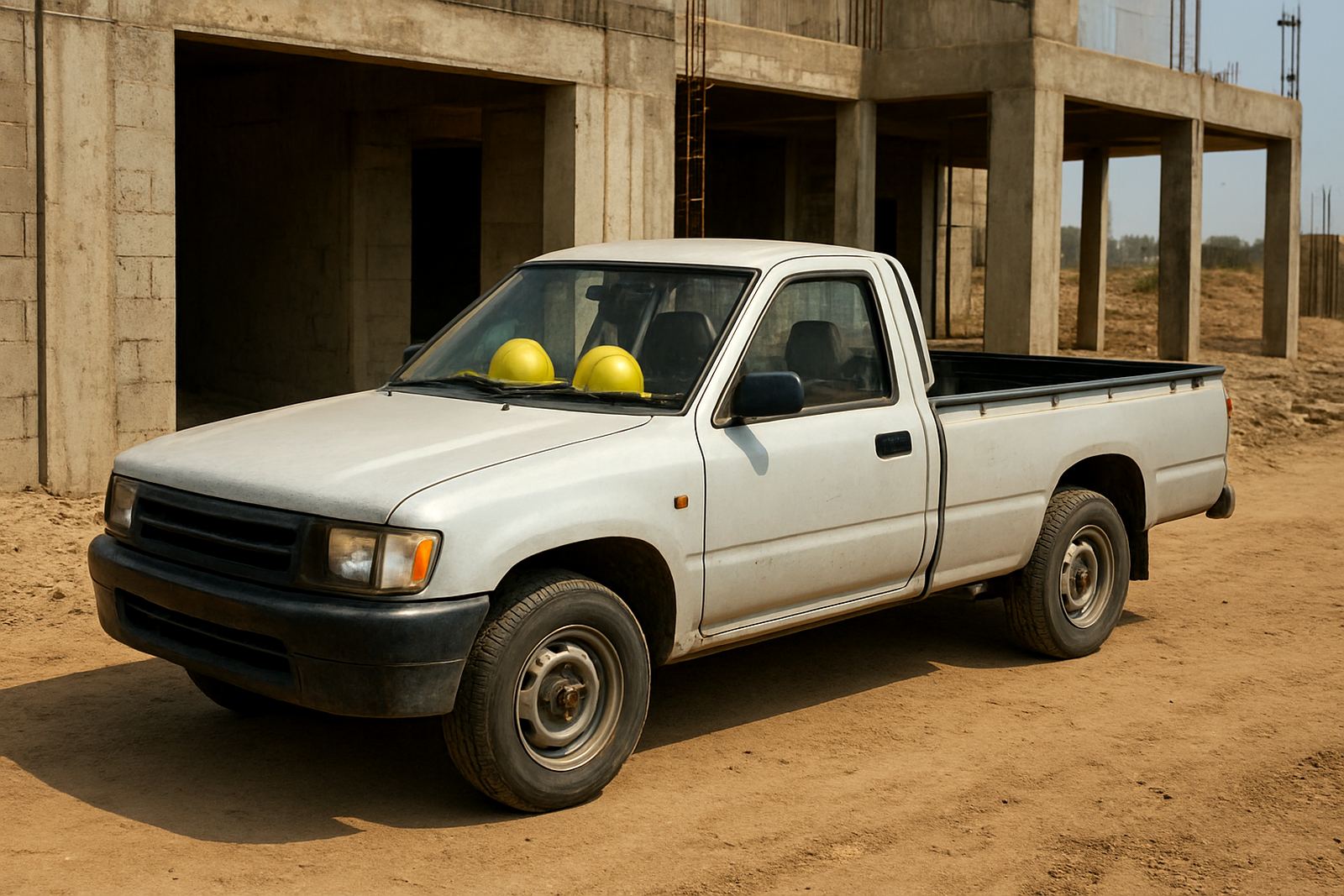
A site runner bakkie is a light work vehicle set up for short trips around a site, between depots, and for quick runs to builders merchants, fuel stations or clients. It is not meant for heavy haulage, but it does handle tools, fittings, paperwork and a few crew members without wasting fuel or space.
These bakkies suit construction supervisors, maintenance teams, landscapers, plumbers and small contractors who need something easier to park than a larger truck. In places like Kempton Park, Johannesburg and Pretoria, a compact bakkie is useful where access is tight and traffic can slow a full-size vehicle down.
- Light carrying for tools, boxes and sample materials
- Easy movement on mixed site surfaces and tar roads
- Lower running costs than a larger commercial vehicle
- Better for quick visits, inspections and call-outs
Cab sizes, load beds and common options
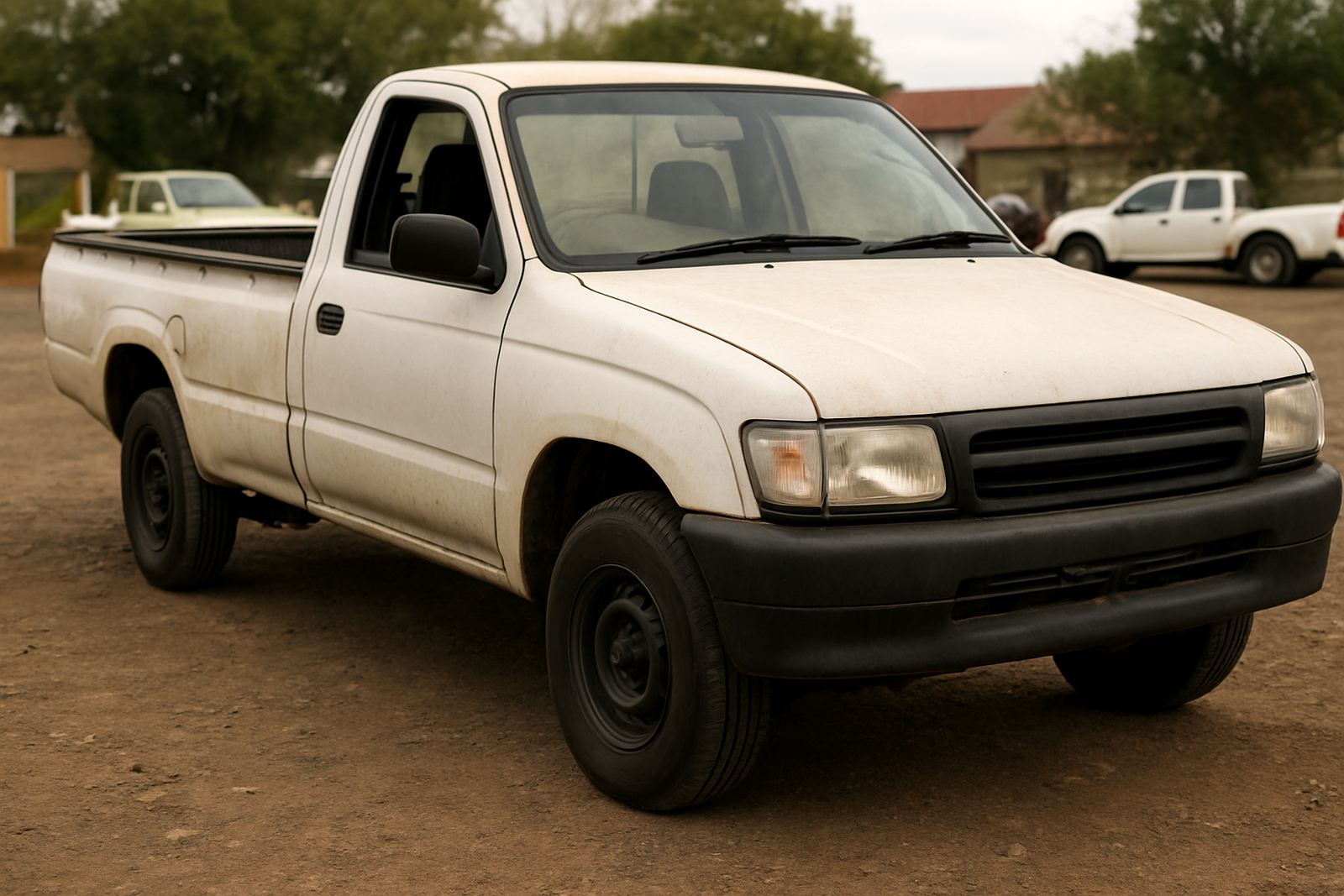
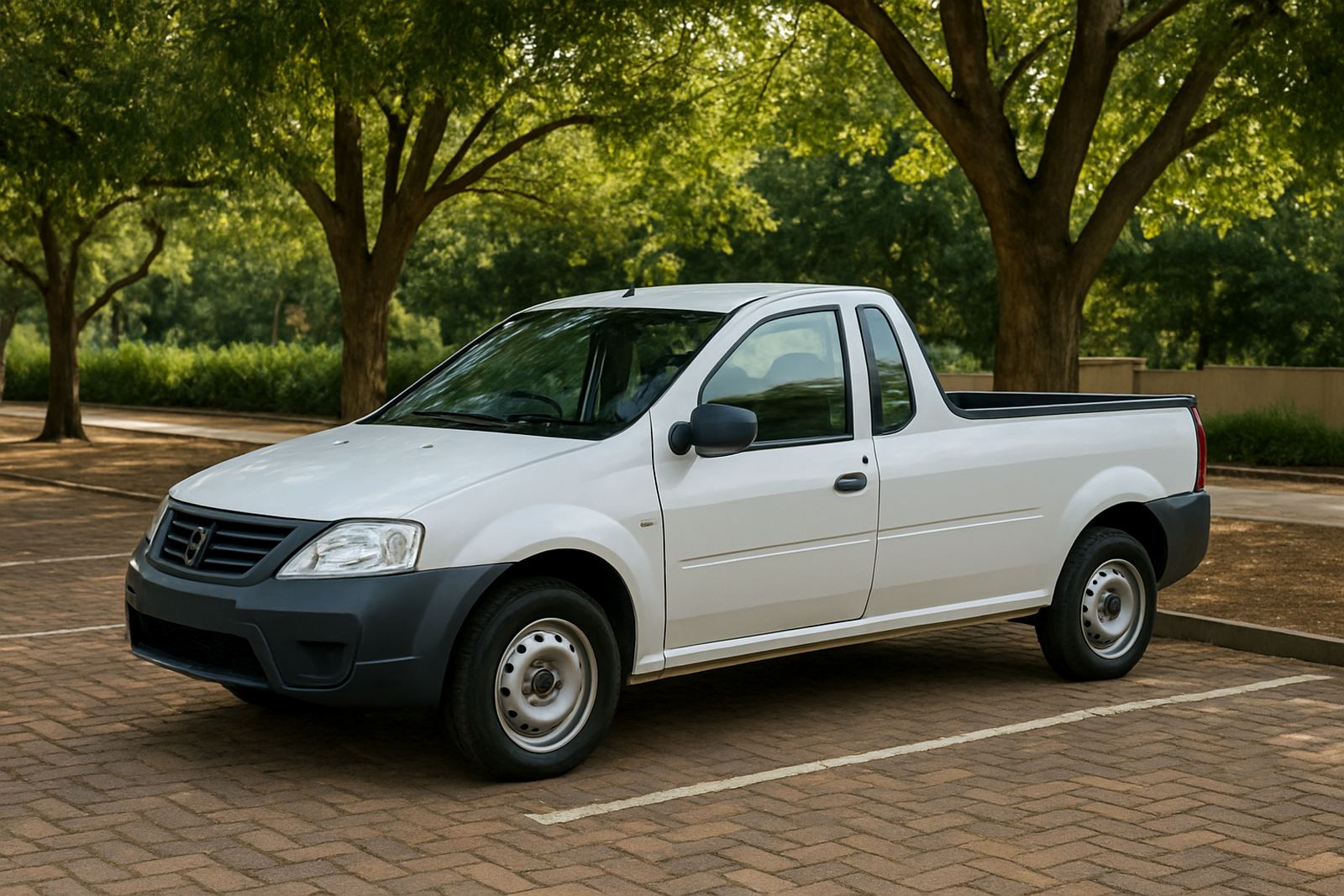
Most site runner bakkies are sold as single cab, extended cab or double cab units, depending on how many people need to travel and how much tray space is required. A single cab gives the most load bed length, while a double cab suits a team that needs to travel together with some tools in the back.
Load beds usually fall in the 1.8 metre to 2.5 metre range, though the actual usable length depends on canopy fitment, ladder racks and any internal lining. Buyers should also look at payload, tie-down points, suspension condition and whether the tray floor is still straight. A bakkie can look tidy from the outside but still be tired underneath, so check it properly.
- Single cab for maximum tray space
- Extended cab for a bit of extra storage behind the seats
- Double cab for mixed passenger and cargo use
- Optional canopy, ladder rack or tool storage setup
Where a site runner bakkie suits best
These vehicles are a good fit for building sites, municipal work, estate maintenance, security patrols and service teams that need to move often during the day. They are also useful for dealers and private sellers who need a dependable vehicle for collections, viewings and errands. Around Durban, coastal humidity can affect bodywork and electrical fittings, so condition checks matter even more there.
In colder inland areas like Bloemfontein or Polokwane, buyers often focus on battery health, suspension wear and tyre condition because long daily use can show up quickly. For businesses in Centurion, the East Rand and Spartan, a site runner bakkie is often chosen for short urban hops, where fuel use and parking space both matter.
- Construction supervision and site checks
- Maintenance rounds and delivery pickups
- Local collections across town or across the province
- Private use where a basic work bakkie is enough
Power, fuel use and practical fitment points
Most site runner bakkies run on petrol or diesel, and the choice depends on distance, load and how often the vehicle will idle on site. Diesel usually makes sense for heavier daily use, while petrol can be simpler for shorter trips and lower annual mileage. If you are buying used, check cold starting, idle quality and smoke on acceleration.
There is no special power or gas installation needed for the vehicle itself unless you are adding accessories such as work lights, a charging point or a canopy fan. Any added electrical fitment should be fused correctly and kept neat, especially where dust and vibration are part of the daily routine. Ask whether the vehicle still has its standard wiring intact, because messy add-ons can cause nuisance faults later on.
- Check fuel type and average use per 100 km
- Confirm battery condition and charging output
- Inspect accessory wiring for safe installation
- Make sure tyre size matches the intended load
Care and servicing for daily site use
A site runner bakkie needs regular attention if it is going to keep working through dust, potholes and stop-start trips. Service intervals should be followed properly, and tyres must be rotated and checked for sidewall cuts. On rough jobsites, the suspension and steering joints take a beating, so a quick inspection every few weeks is worth it.
Keep the tray clean, remove loose rubble and check that load straps and tie-down points are not damaged. If the vehicle has been used near the coast, look for rust around the floor, wheel arches and tailgate seams. A little surface rust is common, but bubbling paint or soft metal is a warning sign. We often tell buyers to treat the tray like a tool, not a dumping spot, and that habit saves money.
- Service on time and keep records
- Wash dust and mud from underneath after site work
- Check brakes, shocks and steering parts regularly
- Repair small rust spots before they spread
What to check before you order or buy
Before placing an order, confirm the year, mileage, service history and whether the bakkie has had previous accident damage. Ask for clear photos of the cab, load bed, chassis rails, tyres and engine bay. If the vehicle will be used for a business, it should also have enough payload for the kind of work you do, not just the light stuff you imagine on day one.
Check the seating layout, canopy fitment, locks, spare wheel and any extra equipment that comes with it. If you need regular deliveries in Johannesburg, Pretoria or Durban, it helps to know if the vehicle can be collected or delivered without delays. We also suggest checking licence status and paperwork early, because missing documents can hold up a sale.
- Service history and mileage consistency
- Tyres, brakes and suspension wear
- Chassis condition and signs of accident repair
- Paperwork, licence and included extras
Site runner bakkies across Gauteng and beyond
Buy Those works with private sellers and dealers across Kempton Park, Johannesburg, Pretoria, Polokwane, Bloemfontein, Durban and surrounding areas to help buyers find the right used work vehicle. Our team in Spartan, Kempton Park handles listings, inspections, buyer matching and collection planning so the process stays practical from first enquiry to handover.
You can use the enquiry form on our contact page to ask about current site runner bakkies, request inspection feedback or compare options by budget and condition. Whether you need a basic site vehicle for one branch or a bakkie for a growing crew, we help narrow the choices and avoid wasting time on the wrong unit.
- Vehicle listings and photo packages
- Pre-sale inspections and condition reporting
- Price guidance and buyer matching
- Viewing, collection and delivery arrangements
Key facts
| Vehicle type | Used site runner bakkie for light commercial and site errands |
|---|---|
| Cab options | Single cab, extended cab or double cab |
| Load bed length | Typically 1.8 m to 2.5 m depending on model and fitment |
| Fuel types | Petrol or diesel |
| Typical use | Construction errands, supervisor travel, deliveries and light carrying |
| Common fitments | Canopy, ladder rack, tool storage, tow hitch and load liners |