What a One Ton Bakkie Is Built For
A one ton bakkie is made for regular work where a light half ton model is not enough. These vehicles are usually chosen for stock runs, tool transport, building materials, farm duties and day to day deliveries where payload matters more than comfort extras.
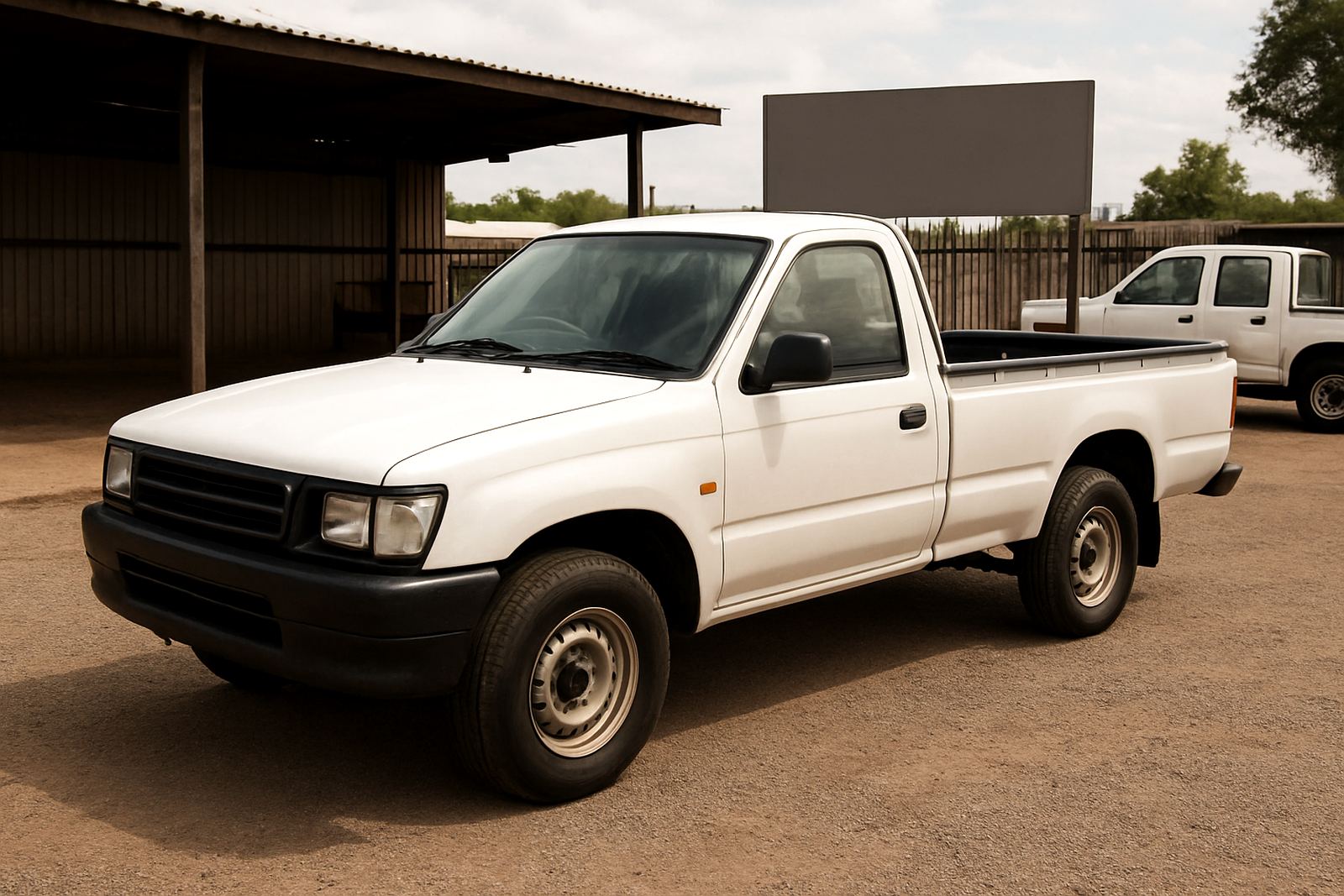
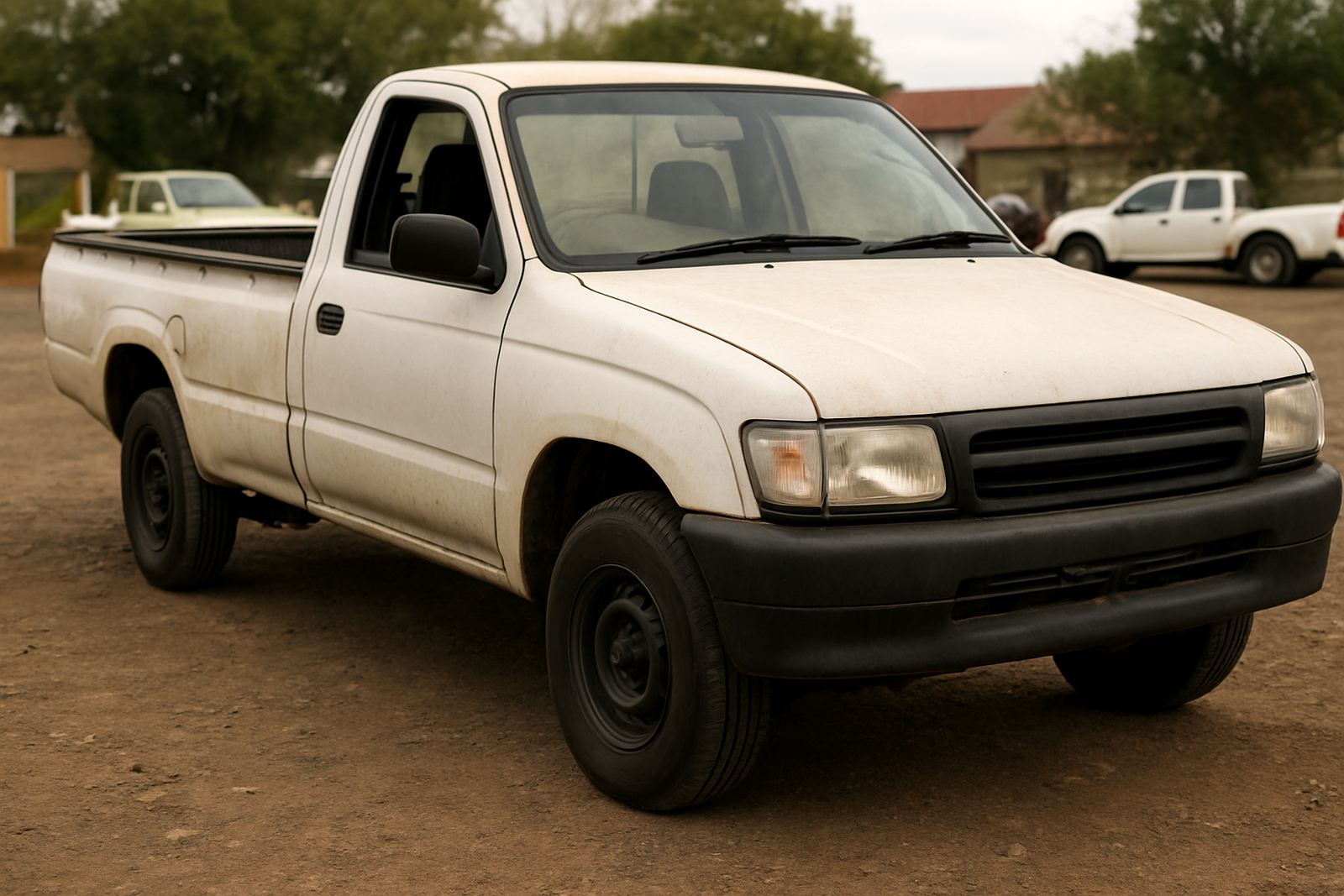
In the used market, a one ton bakkie can be a single cab, extended cab or double cab, depending on how much load space and passenger space you need. Buyers in Johannesburg, Pretoria, Kempton Park and Durban often go for these units because they can handle mixed city and regional use without being too expensive to run.
Most models in this class are diesel powered, with manual or automatic gearboxes. You will also find both 4x2 and 4x4 options, which matters if your work takes you onto gravel, loading yards or sites with bad access.
Cab Styles, Bins and Load Area Choices
When ordering, start with the body style and bin size. A single cab usually gives the longest load bed, while an extended cab gives a bit more room behind the seats for tools or paperwork. Double cabs are popular when the vehicle must carry a team and still move stock. The right choice depends on whether the bakkie is for one driver, a crew or mixed use.
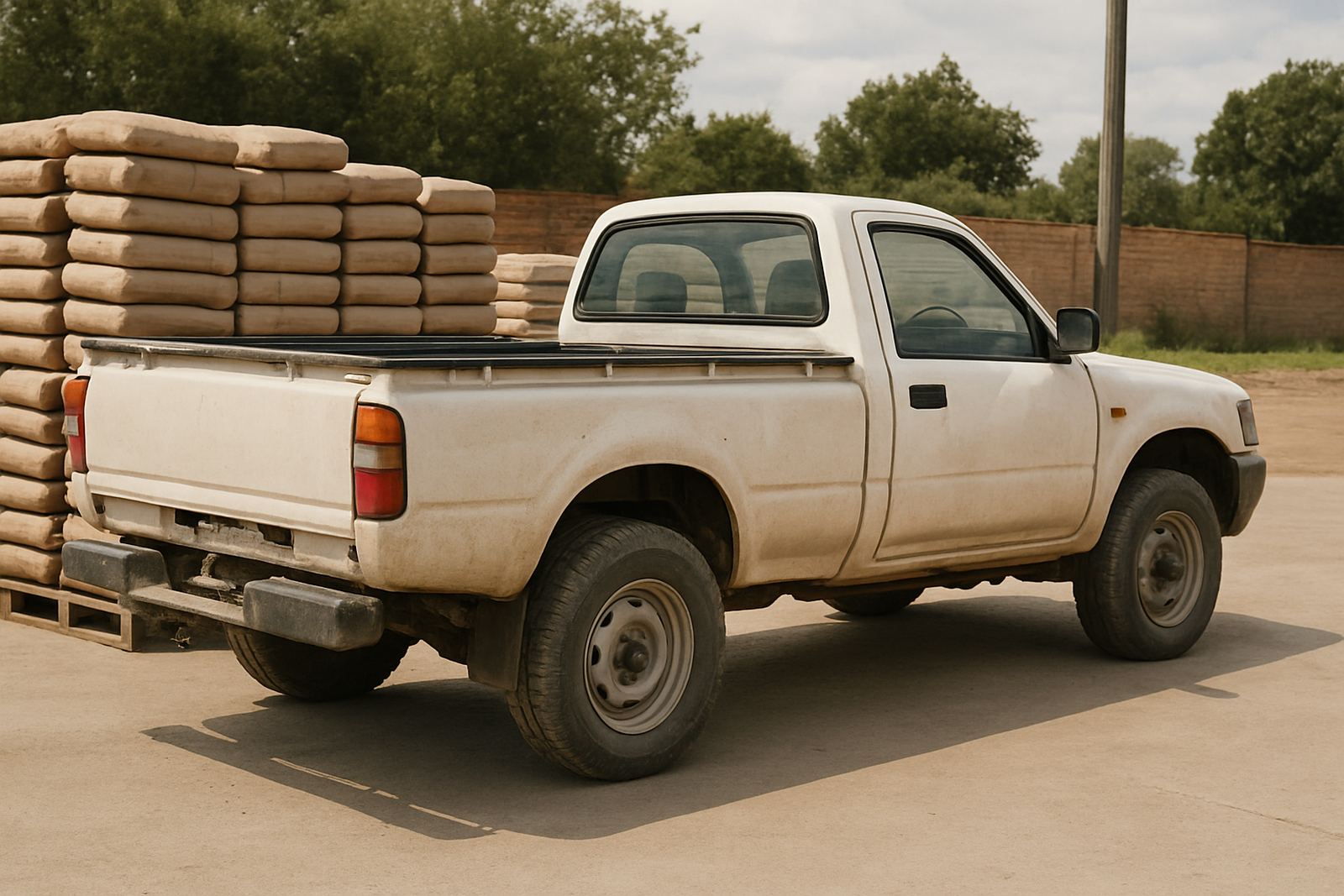
Load area condition is just as important as mileage. Check for cracked load bins, bent tailgates, damaged tie down points and signs of overloading. If the bakkie carried bricks, compressors or steel regularly, the rear suspension may need more attention than the bodywork suggests.
- Single cab for maximum load space
- Extended cab for a balance of storage and seats
- Double cab for staff transport plus cargo
- 4x2 for general road use and lower running costs
- 4x4 for farms, construction sites and rough access roads
Where These Bakkies Fit Best in South Africa
Used one ton bakkies are common in trade work, courier support, small business deliveries and regional collections. They suit panel shops, maintenance teams, gardeners, spaza stock runs, security firms and contractors who need dependable carrying capacity without moving up to a truck.
In coastal areas like Durban, rust checks matter because humidity and sea air can affect chassis, hinges and fasteners. In inland centres like Bloemfontein, Pretoria and Polokwane, dust and heat can be hard on filters, radiators and rubber parts. For mixed routes across Gauteng and the Free State, it pays to choose a vehicle with a clean cooling system and sound brakes.
These bakkies are also a good fit where power cuts affect planning. If your work depends on timely deliveries, you need a vehicle that starts well, idles properly and does not overheat when traffic is heavy or routes take longer than expected.
Engine, Fuel and Running Requirements
Most one ton bakkies run on diesel, so fuel quality, injector condition and regular servicing are important. A neglected diesel can become expensive quickly, especially if it has been used for short trips, towing or stop start work. Manual gearboxes are still common and often preferred for heavier loads, while automatics can be easier in traffic but may need more careful servicing.
There is no gas requirement for normal use, but you should confirm the fuel system type and whether any modifications were done. If the unit has a canopy, tow bar, suspension upgrade or extra electrical accessories, ask how these were fitted and whether they affect warranty or compliance.
- Check service intervals and the last oil change date
- Inspect clutch wear on manual units
- Look for smoke, hard starting or rough idling
- Confirm towing limits before buying
- Ask whether the vehicle has been used for heavy site work
What to Inspect Before You Commit
Before you place an offer, check the bakkie as a working vehicle rather than a shiny transport unit. Start with the engine, gearbox, suspension, tyres and brakes, then move to the cab, load bin and paperwork. A clean body can hide worn steering parts or a tired drivetrain, so a proper inspection is worth it.
At Buy Those, our inspection and condition reporting process helps buyers see the practical details that matter. We look at panel condition, tyre wear, warning lights, oil leaks, accident damage and general wear from daily use. If the seller is in another province, this saves time and reduces the risk of travelling to view a unit that is not ready.
- Odometer reading and service history
- Chassis, suspension and underbody rust
- Tyre life and wheel condition
- Brake feel and steering play
- Load bin damage and tie down points
- Registration papers and roadworthy status
Care, Servicing and Daily Use Tips
Used one ton bakkies last longer when they are serviced on time and not overloaded. Keep the oil clean, replace filters regularly and check coolant before long trips, especially in hot months. If the vehicle works near the coast, wash the underbody now and then to reduce corrosion.
Tyre pressure should match the load being carried. Under inflated tyres wear fast and can make the bakkie feel unstable when cornering or braking. Suspension bushes, shocks and leaf springs should also be checked if the vehicle carries weight every day.
For business use, a simple logbook helps track fuel, service dates and repairs. That makes it easier to budget and spot problems early. A well kept one ton bakkie can still give strong service, even if it has a few marks and a honest work history.
How Buy Those Helps You Find the Right Unit
Buy Those works with private sellers and dealers across Kempton Park, Johannesburg, Pretoria, Polokwane, Bloemfontein, Durban, East Rand and Centurion. Our team assists with listings, inspections, buyer matching, price guidance, photo packages, viewing arrangements, collection and delivery coordination, so the buying process stays practical and clear.
If you are after a one ton bakkie for commercial use, we help narrow the options by cab style, load need, budget and location. That matters when you are comparing vehicles in different towns and want to avoid unnecessary travel. We also help sellers present the unit properly, which can improve the quality of enquiries and save time on both sides.
Whether you need one bakkie or a small fleet, our focus is on matching the right vehicle to the job, not overselling features you will never use.
Key facts
| Vehicle type | Used one ton bakkies |
|---|---|
| Typical payload | Around 1 000 kg, depending on model and setup |
| Cab options | Single cab, extended cab and double cab |
| Drivetrain | 4x2 and 4x4 options |
| Fuel type | Mostly diesel |
| Common use | Commercial deliveries, site work, farming and trade transport |