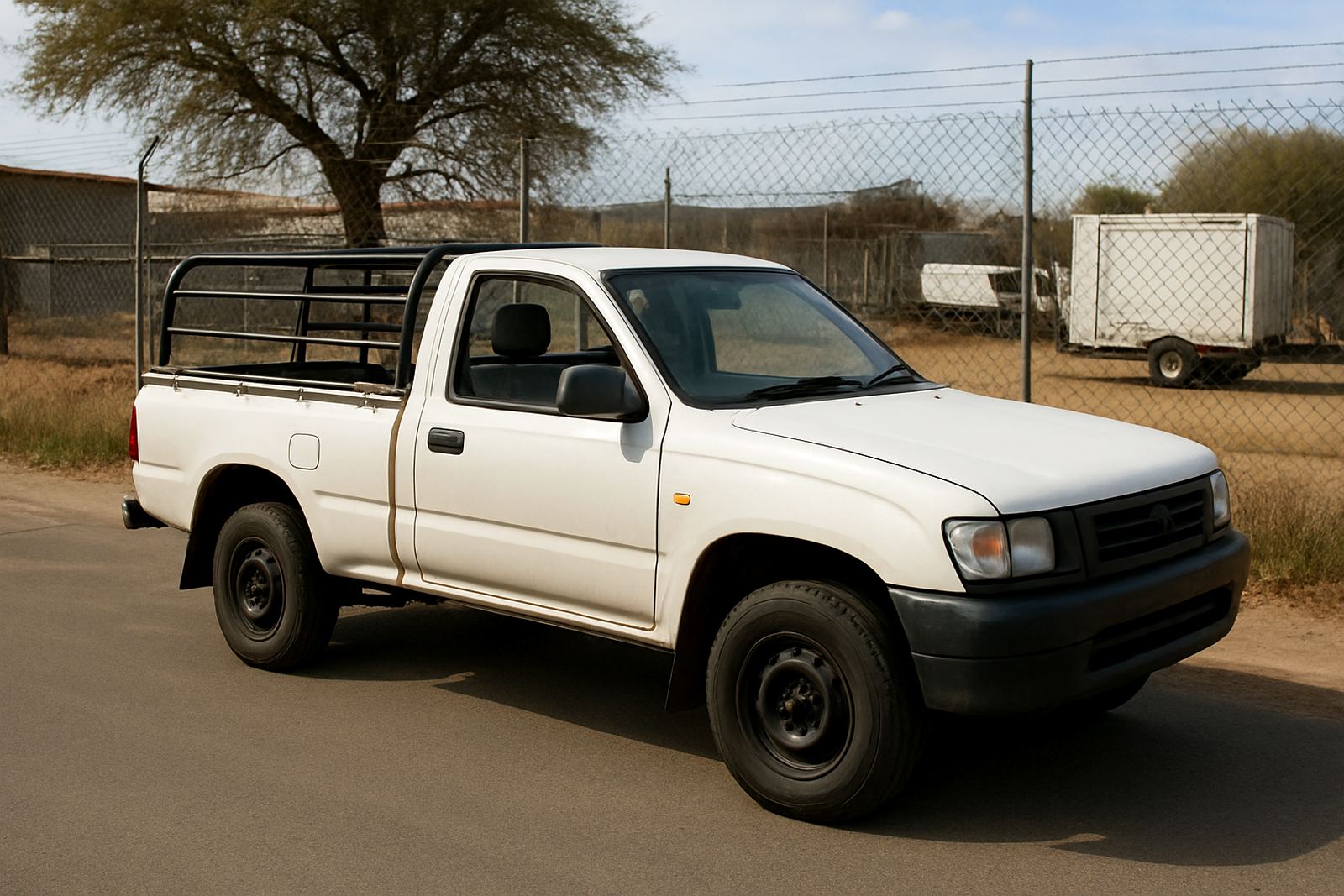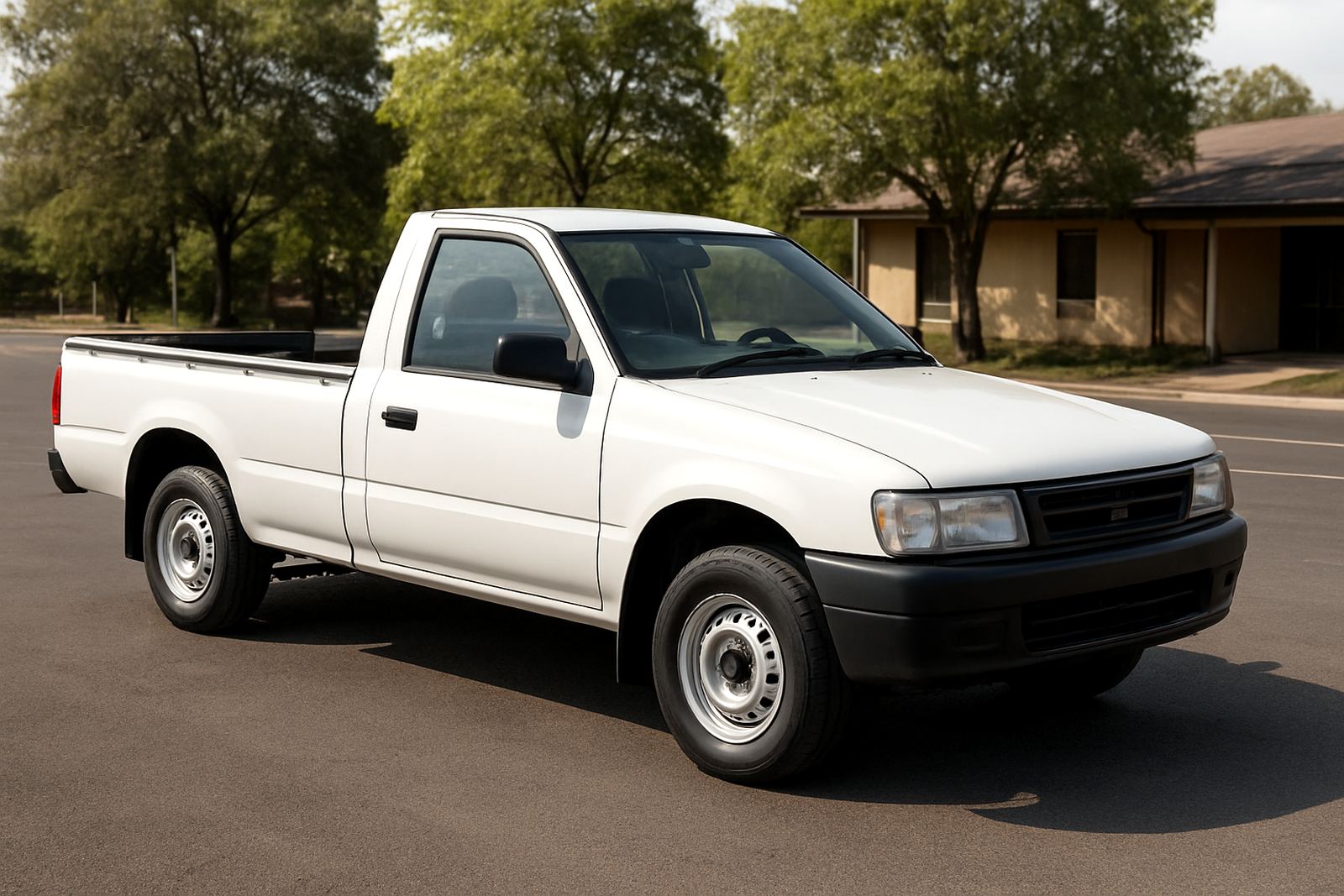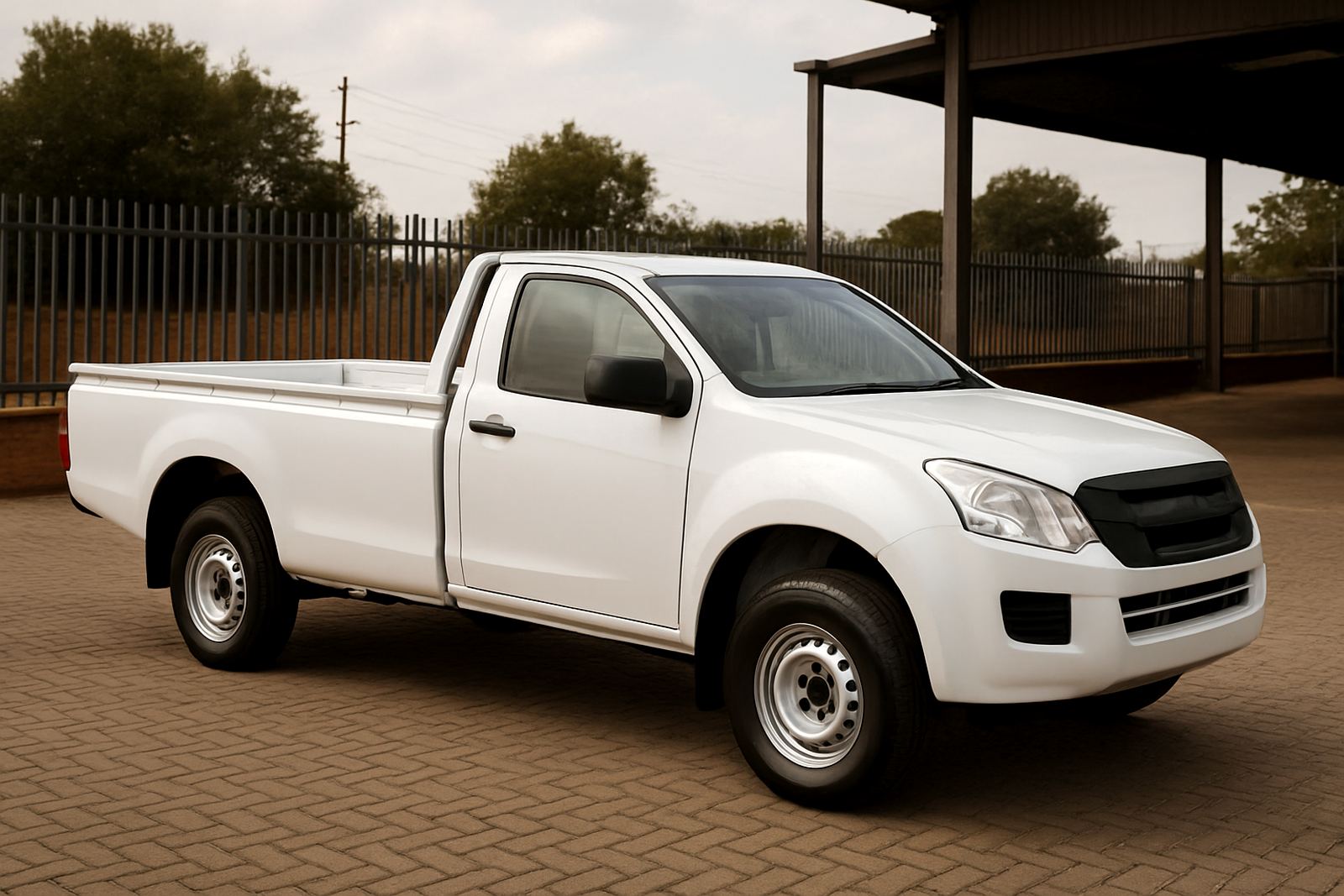
Why a single cab bakkie suits real work
A single cab bakkie is built for load carrying first. With two seats up front and a longer load bin behind, it gives tradespeople, contractors, farmers and small businesses more space for materials, tools and stock than a double cab. For many buyers in Johannesburg, Pretoria and Durban, that extra bin length is the difference between making one trip or two.
Used single cab bakkies are popular where payload matters more than passenger seating. They are handy for municipal work, garden services, building crews, deliveries and site support. In the right condition, they can handle daily stop-start work, dusty roads and long runs between towns. We also see steady demand from private buyers who want a simple vehicle for towing, moving goods, or weekend use, especially when fuel use and servicing costs need to stay controlled.
Sizes, body styles and common options to compare
Single cab bakkies come in a few useful setups, and the right choice depends on your load type and route. Shorter bins are easier in town, while longer bins suit ladders, pipes, timber and bigger tool boxes. Some are 4x2 for road work and lighter deliveries, while others are 4x4 for farms, construction sites and rough access roads around the Highveld or coastal areas where conditions change fast.
- Load bin lengths commonly range from about 1.8 m to 2.4 m
- Payload can vary from around 750 kg to 1,200 kg depending on model and fitment
- Engines are often diesel for lower running cost and better pulling power
- Transmission may be manual or automatic, with manual still common for work use
- 4x2 suits paved roads and town deliveries, 4x4 suits gravel, fields and site access
Cab comfort also matters. Look for air conditioning, radio, power steering and decent seat condition if the bakkie will spend long days on the road. In hot inland areas, a working cooling system is important. On the coast, you want to check for rust around hinges, bin floors and underbody points where salt air can bite over time.
Where single cab bakkies fit best
These vehicles suit businesses that need a practical load carrier more than a family vehicle. They work well for electricians, plumbers, landscapers, small builders, general contractors, farmers and supply runs between depots. In places like Polokwane and Bloemfontein, the long open roads favour a bakkie that is simple, easy to load and not too heavy on fuel.
Single cab bakkies also suit buyers who need a vehicle for mixed use. You can carry tools during the week and still use it for small business errands or personal hauling on weekends. For delivery work in East Rand, Centurion and central Johannesburg, a neat used bakkie can offer the right mix of space, visibility and low maintenance, provided it has been looked after properly.
- Best for tools, fittings, building materials and bulky stock
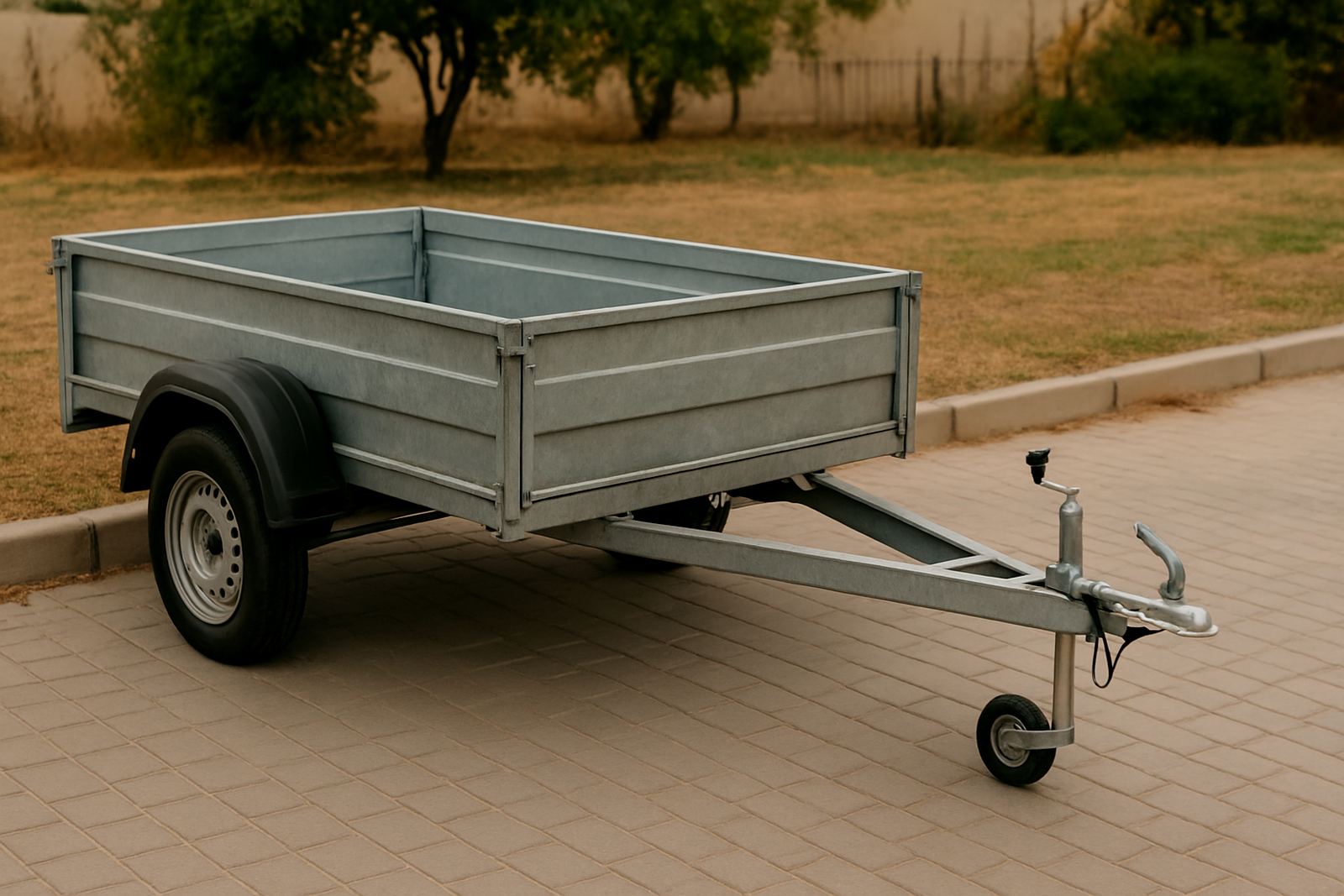
- Useful for towing small trailers and site equipment
- Well suited to businesses that need easy loading from the rear and sides
- Good choice where running costs must stay predictable
Power, towing and fuel use
Most single cab bakkies on the used market are diesel because diesel engines usually give stronger low-end pulling power and better economy under load. That makes them a sensible option for towing trailers, carrying heavy cargo and doing repeated stop-start work. Petrol versions exist too, and they can be a good fit for lighter loads or lower annual mileage.
When checking a listing, ask about towing limits, service history and whether the bakkie has been used for regular heavy hauling. A vehicle that has spent years carrying over its rated load may still look clean but can hide wear in suspension, clutch, brakes and diff components. In our inspections we pay attention to these areas because a bakkie can be tidy on the outside yet tired underneath, and that can become costly after purchase.
Fuel use depends on engine size, gearbox, load and route. As a rough guide, lighter work use is easier on fuel than full-day hauling. If you plan to run on uneven roads or tow often, choose a bakkie with enough power rather than the smallest engine available, otherwise it may work harder than it should.
Inspection points before you place an order
Before buying, it helps to check the bakkie as if it were going to work tomorrow morning. The body, load bin and chassis should be looked at carefully, especially where repairs may have been done after a knock or hard use. Rust, poor spray work, bent tow points and uneven tyre wear can all point to bigger issues. If the vehicle has a canopy, ladder rack or tow bar, check whether these were fitted properly and whether the paperwork matches.
- Service records and timing of the last major service
- Engine start-up, smoke level and idle quality
- Gear changes, clutch feel and braking response
- Tyre age, tread depth and sidewall damage
- Load bin floor, tailgate hinges and tie-down points
- Suspension sag, steering play and underbody rust
We also recommend checking the VIN, licence status and whether the bakkie has a valid roadworthy where required. For buyers in Durban and other coastal areas, moisture and salt exposure can mean more attention to underbody condition. For inland buyers, dust and heat can affect filters and cooling systems, so a full inspection is still worth it.
Care, servicing and day-to-day use
Used single cab bakkies last longer when they are serviced on time and kept clean under load. Regular oil changes, coolant checks and brake inspections matter, especially on vehicles that work every day. A bakkie carrying tools or loose cargo should have the load secured properly to avoid damage to the cab and bin. It sounds basic but it saves money over time.
Watch the suspension and tyres if the vehicle is regularly loaded near capacity. Overloading leads to poor braking, tyre wear and cracked leaf springs. If the bakkie sits outside, check door rubbers, lights and electrical connections after heavy rain. On diesel models, keep an eye on fuel quality and air filters, particularly on dusty sites around Gauteng and the Free State.
For owners using the bakkie in shift work or for deliveries, a simple check routine works best: tyres, fluids, lights, brakes and load security before the day starts. That small habit keeps the vehicle safer and reduces downtime.
How we help buyers and sellers across South Africa
Buy Those supports private sellers and dealers from Spartan, Kempton Park, with listings, pre-sale inspections, buyer matching and viewing arrangements. We work with enquiries from Kempton Park, Johannesburg, Pretoria, Polokwane, Bloemfontein, Durban, the East Rand and Centurion, and we can help with collection or delivery arrangements once a deal is agreed.
If you are selling a single cab bakkie, we can help present the vehicle properly with clear photos, condition reporting and practical price guidance. If you are buying, we help you compare options and check the details that matter most for work use. That includes load bin condition, service history, tyres, towing setup and whether the vehicle suits your route and budget. It keeps the process straightforward, even when you are moving quickly.
Key facts
| Body type | Single cab bakkie |
|---|---|
| Seating | 2 seats |
| Drivetrain options | 4x2 or 4x4 |
| Fuel options | Diesel or petrol |
| Typical load bin length | About 1.8 m to 2.4 m |
| Typical payload range | About 750 kg to 1,200 kg |