What a 4x2 bakkie is and why it suits road use
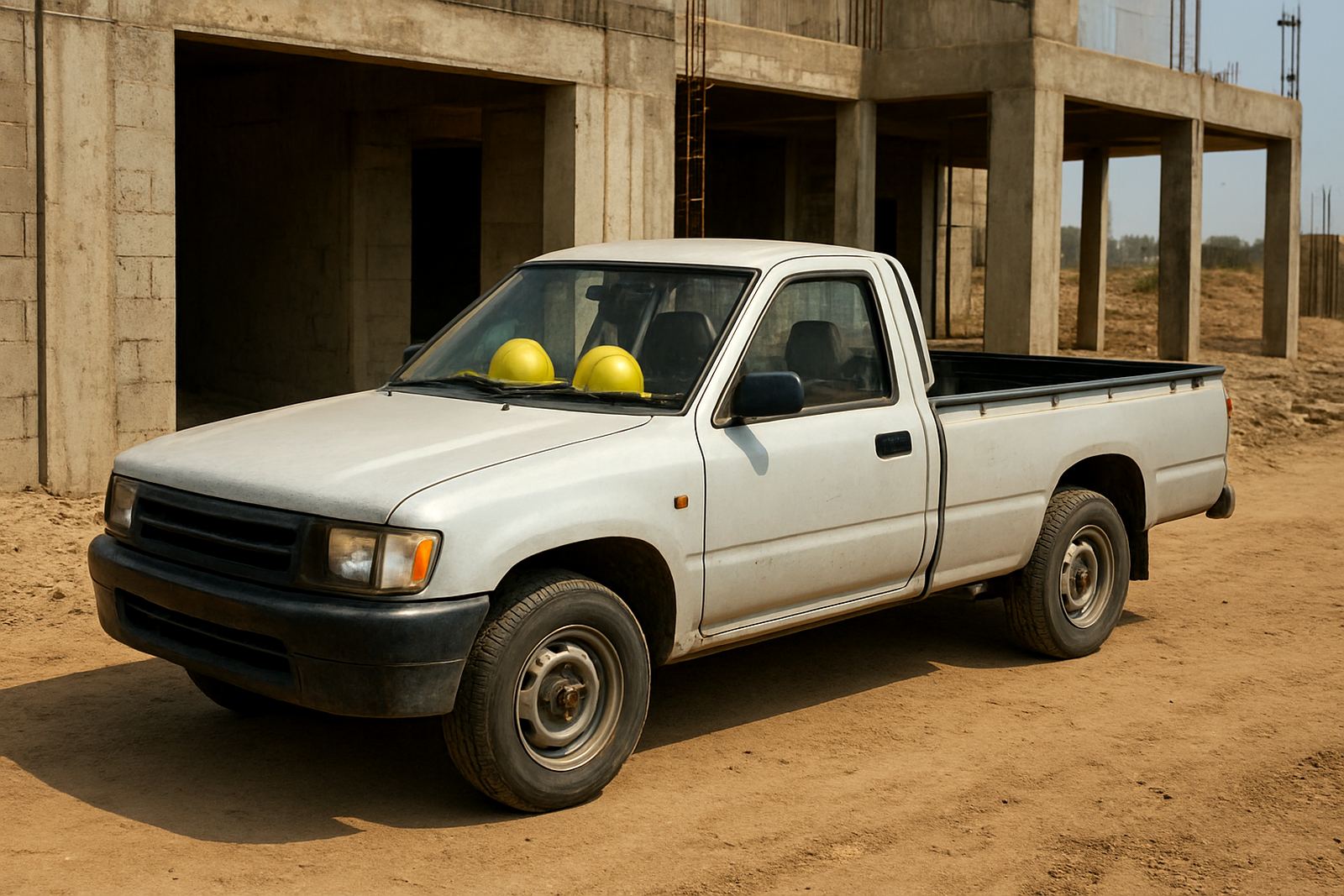
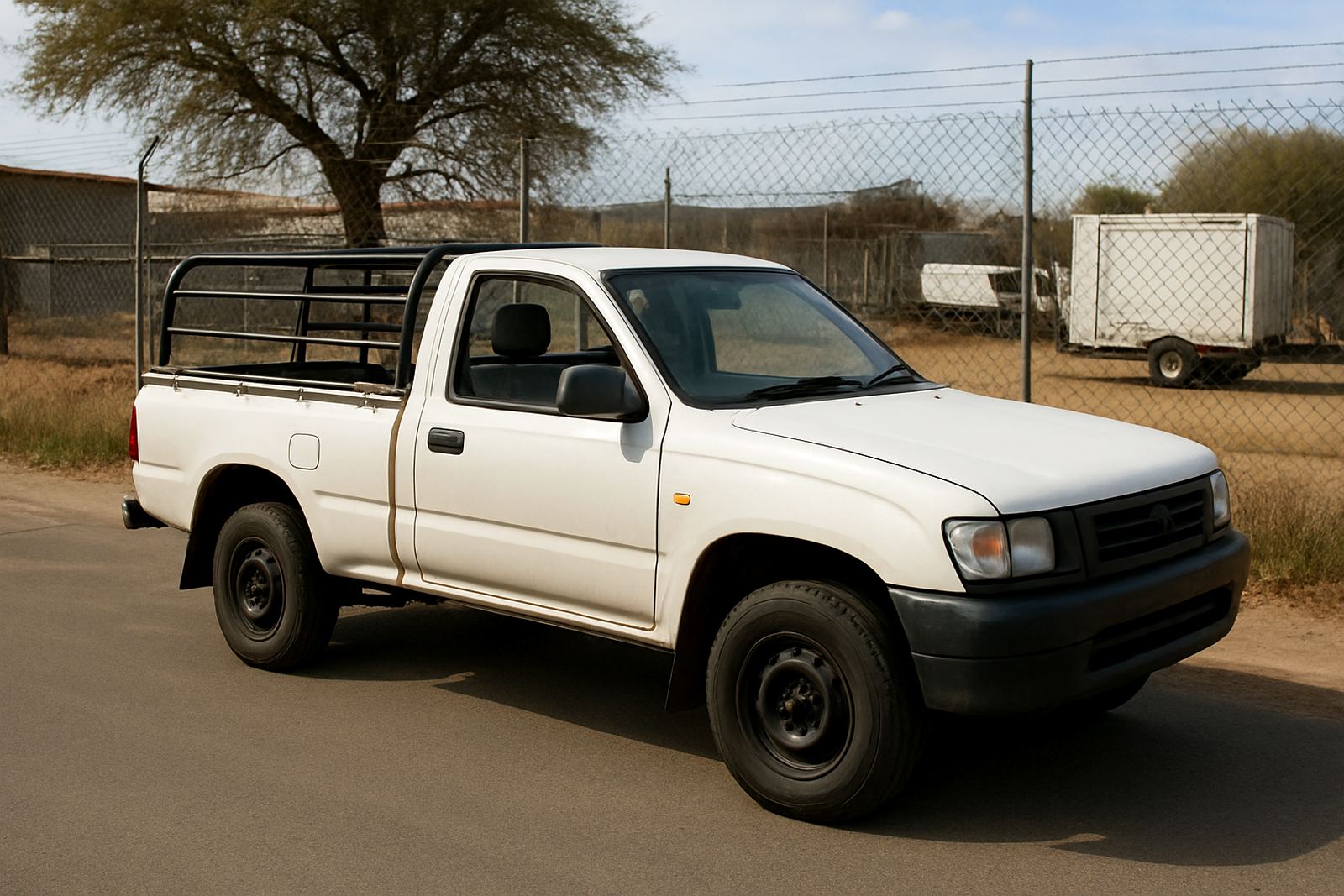
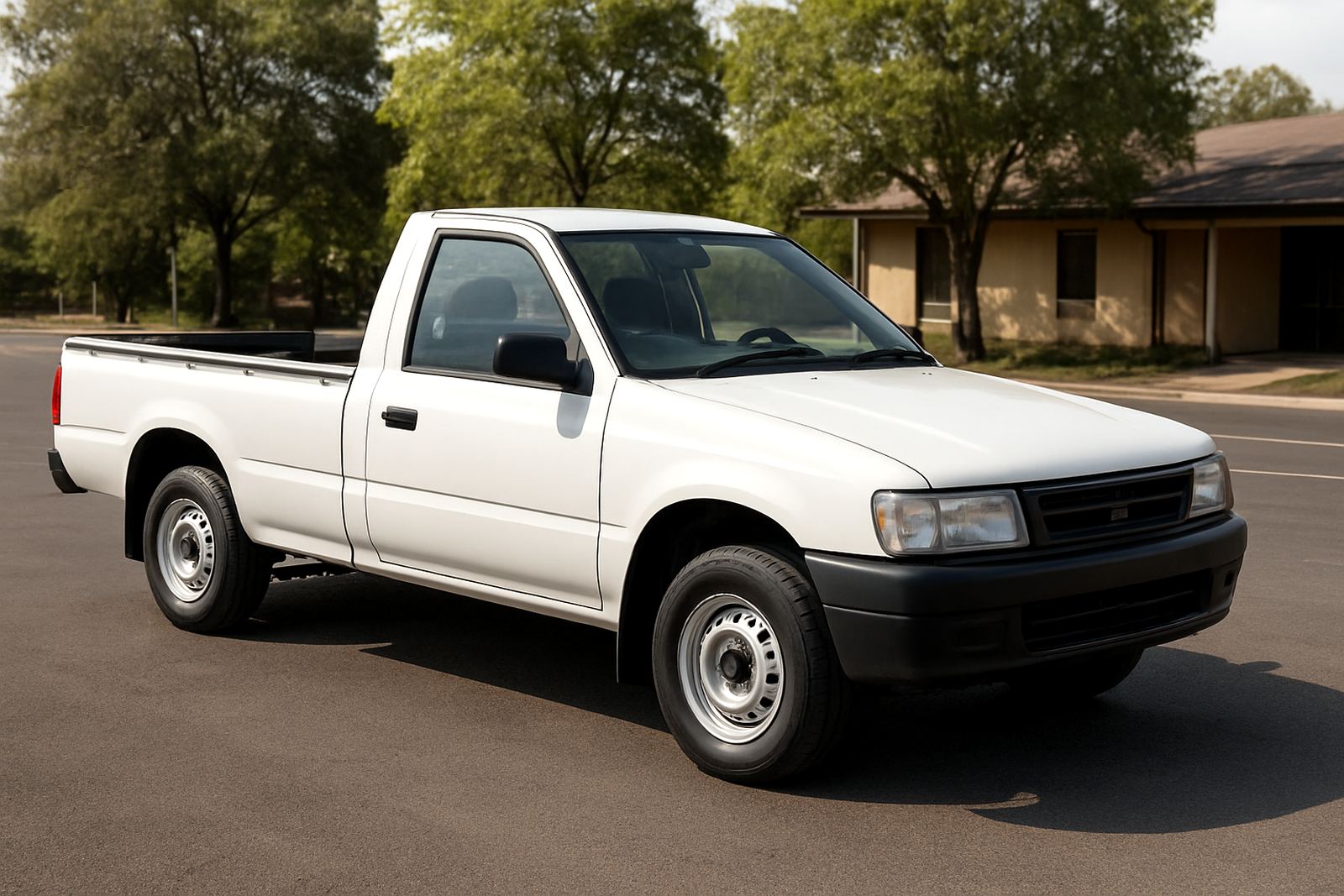
A 4x2 bakkie drives through two wheels only, usually the rear axle, so it is built for tar roads, gravel streets, farm roads in fair condition and everyday loading. It is the right choice when you need a vehicle that carries tools, stock or light equipment without the extra weight and fuel use of a 4x4 system. For many businesses, that means lower running costs and simpler maintenance.
Used 4x2 bakkies are common in courier work, trades, light delivery, small business use and personal transport. They are also easier to park in tight areas around Kempton Park, Centurion or the inner city and often cost less to buy than a similar 4x4. If your work is mostly local and on-road, a 4x2 usually makes better sense.
- Best for daily road use and light to medium loads
- Lower fuel use than most 4x4 bakkies
- Simpler drivetrain with fewer moving parts
- Useful for business owners who want dependable transport without paying for off-road hardware they will not use
Cab sizes, load beds and drivetrain options
Most 4x2 bakkies are sold in single cab, extended cab or double cab form. A single cab gives you the longest load bed and suits builders, delivery work and site runs. An extended cab gives a bit of extra space behind the seats for bags or small items. A double cab works better when you need to carry passengers as well as cargo, though the load bed is often shorter.
Load beds vary by model, but many range from about 1.5 metres to over 2 metres in length, with payloads commonly from 800 kg to 1 200 kg depending on the engine, suspension and body condition. Most used 4x2 bakkies in this class come with manual or automatic gearboxes, petrol or diesel engines, and rear-wheel drive. We check whether the vehicle is fitted for business use, towing or general commuting before it is listed.
- Single cab for maximum load space
- Extended cab for a balance of cargo and small storage space
- Double cab for mixed work and family use
- Manual and automatic options available on many used units
Where a 4x2 bakkie works best in South Africa
These bakkies suit metro use, regional deliveries and light commercial work across Gauteng, the Free State, Limpopo and coastal areas like Durban. They are a sensible fit for businesses that travel on maintained roads, do school runs with weekend load carrying, or move stock between depots and customers. In towns with heavy traffic, a lighter 4x2 can be easier to live with than a larger 4x4 or panel van.
In coastal areas, buyers should pay close attention to corrosion around the body, chassis and mounting points. In inland areas, dust and heat can affect filters and cooling systems if the vehicle has not been serviced properly. A bakkie that has spent most of its life on tar and been serviced on schedule is often a very good buy, even at higher mileage.
- Good for Johannesburg, Pretoria and East Rand business use
- Useful for Bloemfontein and Polokwane regional travel
- Suitable for Durban and other coastal routes if rust is checked carefully
- Often chosen for fleets, small traders and contractors
Inspections, condition reports and what we check before sale
Every used 4x2 bakkie should be checked for body damage, suspension wear, brake condition, tyre life and service history before money changes hands. We arrange pre-sale inspections and condition reporting so buyers can see what they are getting, including signs of accident repair, oil leaks, worn mounts or uneven tyre wear. That helps reduce surprises after collection.
We also look at the start-up, idle quality, clutch action, gearbox feel and whether the vehicle pulls straight under braking. If a bakkie has been used hard on rough roads, the steering and front suspension often show it first. A proper inspection report is especially useful for buyers who cannot attend in person and need a clear picture before confirming the deal.
- Exterior, interior and underbody checks
- Tyres, brakes and suspension assessed
- Service records and mileage reviewed where available
- Load area and tailgate condition included in the report
Buying and delivery support across major centres
Buy Those connects private sellers and dealers with buyers across South Africa through our enquiry process. Our team in Spartan, Kempton Park supports listings, price guidance, buyer matching, viewing arrangements and delivery coordination. Whether you are sourcing a bakkie for a business in Pretoria or looking for a reliable work vehicle for Durban, we help keep the process practical and clear.
We can arrange viewing times, collect the vehicle where agreed and organise delivery to the buyer once the sale is concluded. For sellers, this saves time and helps present the bakkie properly with photos, clear details and accurate condition notes. The aim is to make the purchase straightforward without wasting time on vehicles that do not suit the job.
- Vehicle listings and photo packages
- Buyer matching and seller support
- Viewing arrangements in key centres
- Collection and delivery coordination where agreed
Checks to make before you reserve a bakkie or trailer
Before ordering a used 4x2 bakkie, check the cab type, mileage, service history, tyre condition and whether the load bed matches your work. A cheaper bakkie can become costly if it needs suspension parts, clutch work or body repairs soon after purchase. Make sure the engine starts cleanly cold and that the gearbox does not crunch or slip under load.
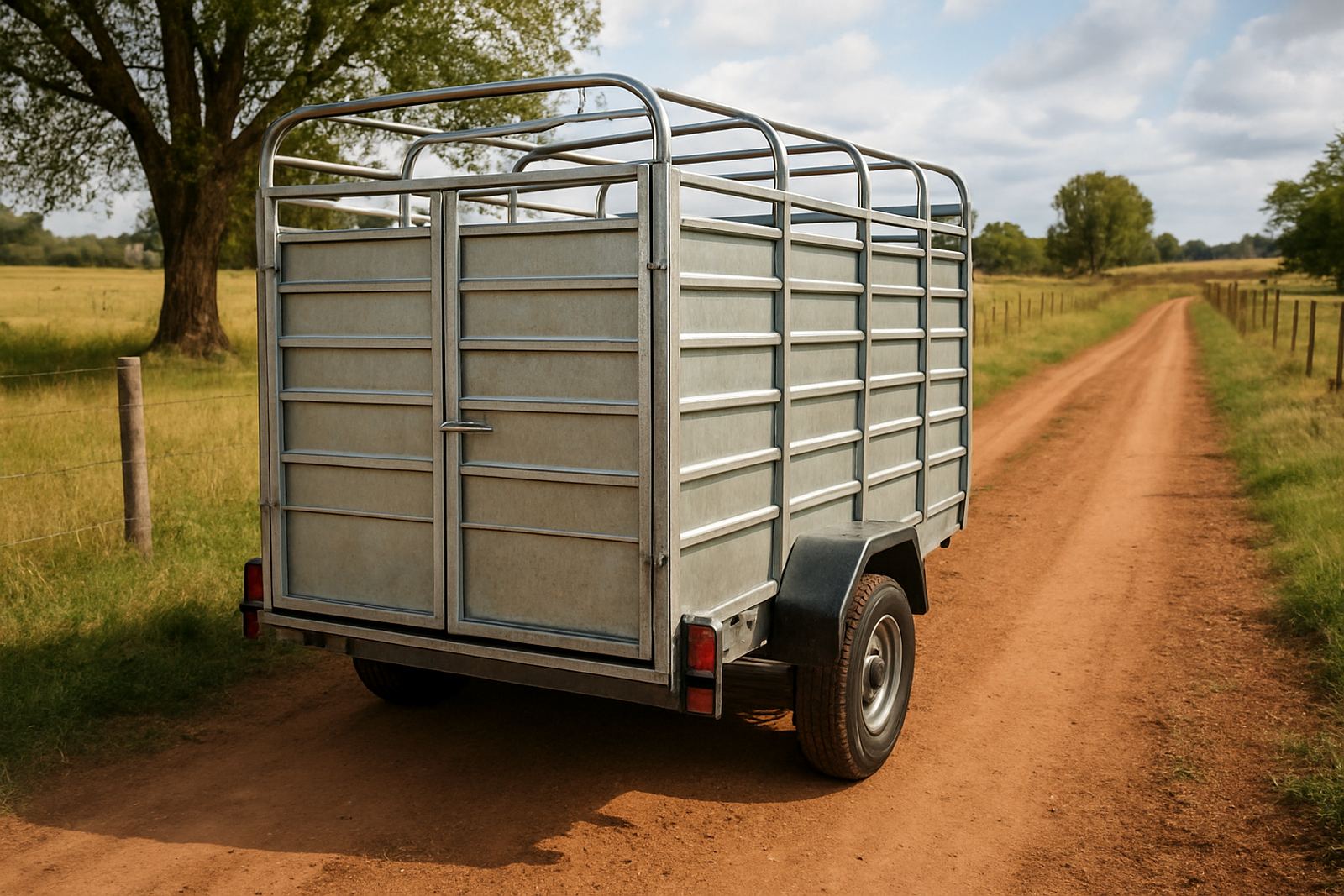
Also think about fuel type, towing needs and whether you need a canopy, tow bar or service body later. If the bakkie will carry heavy tools or spend time in stop-start traffic, ask about cooling and brake wear. A proper fit for your work will save money over time, and the right spec is often more important than the lowest asking price.
- Confirm cab style and load bed length
- Check fuel type, gearbox and towing setup
- Ask for the inspection notes and mileage reading
- Consider future fitment needs like canopy, tow bar or storage boxes
Key facts
| Drive type | 4x2, usually rear-wheel drive |
|---|---|
| Cab options | Single cab, extended cab, double cab |
| Common engines | Petrol and diesel |
| Typical payload | About 800 kg to 1 200 kg depending on model |
| Load bed length | About 1.5 m to over 2.0 m depending on cab |
| Use case | Road-focused business use, light work and daily transport |