What a box trailer is built to do
A box trailer gives you enclosed carrying space for tools, boxes, stock, luggage, garden waste and mixed loads that should stay dry and out of sight. It is a common choice for household moves, service businesses, hardware runs and farm use where a flat tray would leave cargo exposed to weather and loose stones.
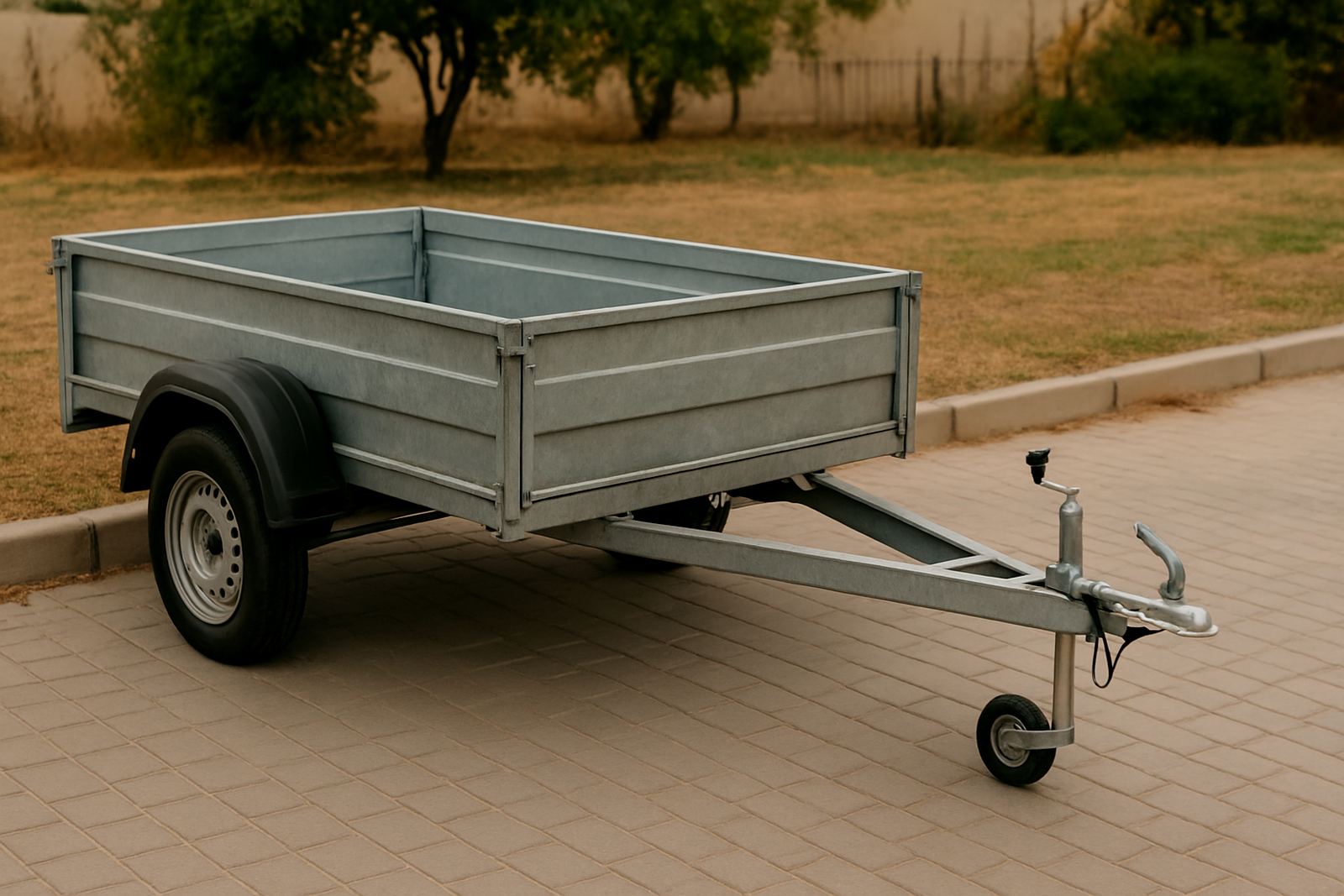
Most used box trailers have a steel frame, a closed body with side panels, a rear door or tailgate and a tow hitch suited to a light vehicle or bakkie. Some are plain utility trailers with a simple rear opening, while others have side access doors, roof vents or internal tie-down points. If you are moving goods around Kempton Park, the East Rand or longer routes to Pretoria, Polokwane, Bloemfontein or Durban, a covered trailer gives better protection when the weather turns or the roads are rough.
These trailers are especially useful for small firms that carry packaged stock, catering items, exhibition gear or equipment that must arrive in one piece. They also suit private buyers who need extra space for weekend jobs and family use, without having to hire a vehicle every time. The key is to match the size and tare weight to your tow vehicle and the kind of load you move most often.
Sizes, build options and common specs
Box trailers come in a range of sizes, from compact single-axle units for light loads to larger tandem-axle models for heavier work. A used trailer may have been fitted for a very specific job, so it pays to check the internal dimensions, door opening and load rating before you make an offer. In South African traffic and on municipal roads, a trailer that is too big or too heavy for the tow vehicle can become a problem very quickly.
- Length: common internal lengths from about 1.8 m to 3.6 m
- Width: often 1.2 m to 1.8 m internally, depending on body style
- Height: usually 1.0 m to 1.5 m, with some custom builds taller
- Axles: single axle for lighter use, tandem axle for better stability and higher payloads
- Body: steel sheet, aluminium panels or a mixed build with reinforced corners
- Access: rear barn doors, drop tailgate, side door or lift-up rear opening
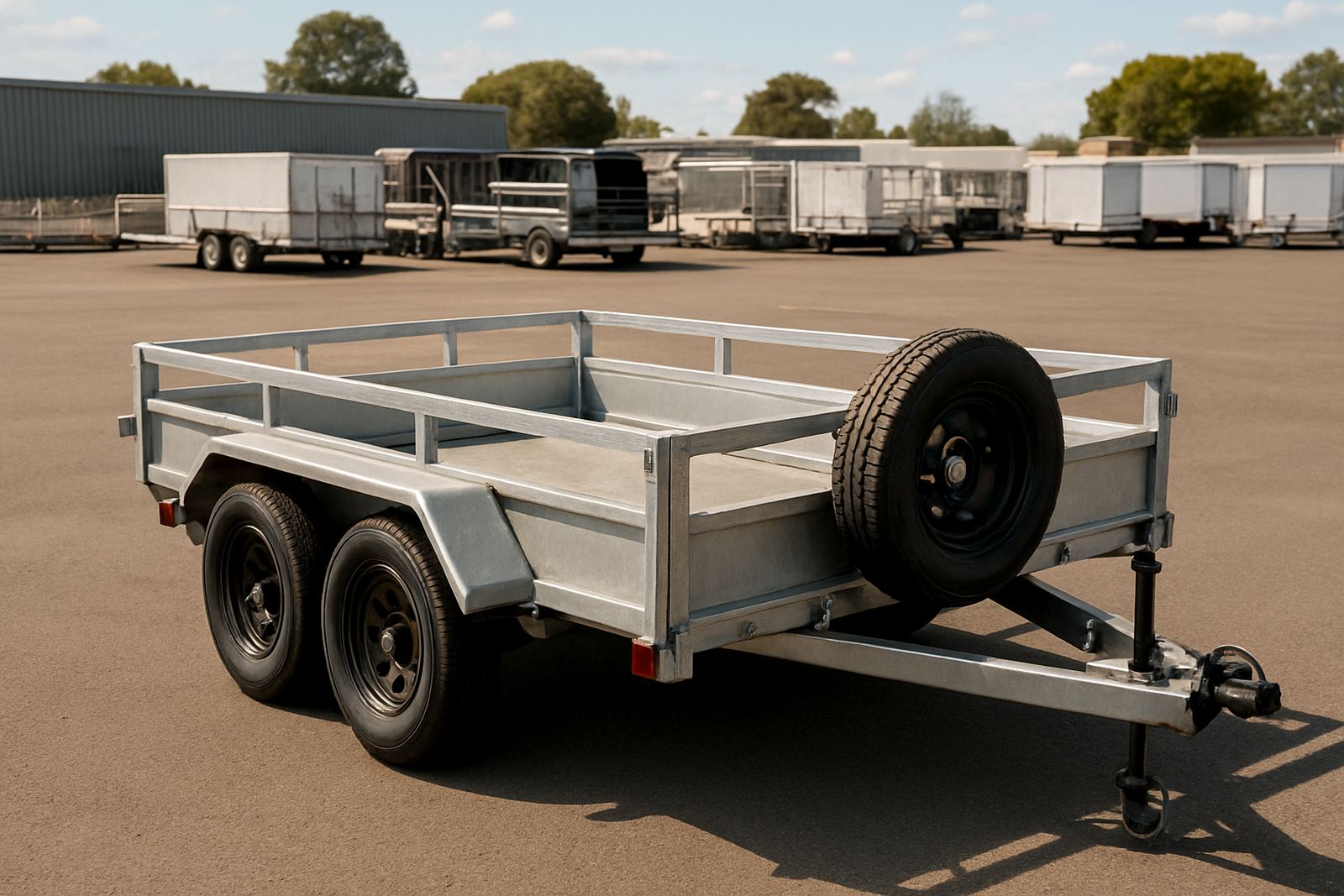
For farm and contractor use, you may also see extras such as spare wheel carriers, jockey wheels, internal shelving, checker plate floors or lashing rails. In coastal areas like Durban, corrosion resistance matters more, so look closely at welds, floor seams and any signs of rust around the base and door frame. A trailer with a neat finish can still hide repairs under paint, so condition reporting is worth the time.
Where a box trailer works best
Box trailers suit buyers who need secure storage on the move. They are a sensible fit for retail stock deliveries, plumbers, electricians, gardeners, mobile maintenance crews and anyone who wants to keep tools locked away between jobs. For households, they work well for furniture, moving boxes, camping gear and garden refuse when the local dump has strict rules on open loads.
In business use, the big advantage is order. Loose items do not shift around as easily when the body is enclosed, and you can stack cartons or containers more neatly. That helps when you are running between Johannesburg and Pretoria, or doing same-day jobs across Centurion and the East Rand. For rural work and farms, the covered body helps with rain, dust and sun damage, especially when transporting feed bags, parts or packaged product.
They are not the best choice for oversized machinery, wet sand, loose rubble or anything that needs side tipping. If your loads are dirty, heavy or awkward, you may need a different trailer type. But for everyday carrying jobs, a box trailer often gives the best balance of safety, privacy and clean presentation.
Tow setup, power needs and road readiness
Most box trailers do not need power or gas of their own. They rely on the tow vehicle for running lights, indicators and brake lights, so the plug, wiring and earth connection must all be in good order. If you want interior lighting or a charging point inside the trailer, that usually needs a separate setup tied into the tow system or an independent battery arrangement.
Before collection or delivery, check that the tow bar rating suits the trailer and that your vehicle can handle the gross trailer mass. Many used trailers are sold with a jockey wheel, but tyre condition and hub bearings should still be checked before long trips. If you are driving at night or during power cuts or backed-up traffic, working lights matter more than people think.
- Confirm the tow hitch size and coupling type match your vehicle
- Test all lights, including brake lights and indicators, before travel
- Check tyre age, sidewall cracks and spare wheel availability
- Make sure the handbrake, if fitted, holds properly on a slope
- Ask whether the trailer has registration papers and a visible VIN plate
A trailer that passes a quick driveway look may still need attention to wiring, bearings or coupler wear. If the previous owner used it in coastal humidity or left it outside, factor in extra time for cleaning and preventative service.
Care and servicing that keep it earning
A used box trailer lasts longer when it is washed after wet weather, stored under cover where possible and greased at the moving parts on a regular basis. Check the wheel bearings, suspension leaves, lights and coupler before every longer trip. For trailers that do farm duty or daily delivery work, a quick monthly inspection can save a lot of Rand later on.
Look for floor flex, soft spots, cracked sealant, loose hinges and rust at the lower edges. If the trailer has a wooden floor, water damage and swelling are common signs of trouble. Steel floors can also rust from underneath, so do not rely only on the top surface. A small repair now is far cheaper than losing a load on the N1 or fighting with a roadside breakdown on a busy Saturday.
Keep the tyres inflated to the correct pressure and avoid overloading. If you carry sharp or oily goods, use liners or containers so the body is not damaged from inside. For sellers, a clean trailer with clear photos and honest condition notes usually attracts better enquiries, because buyers can see what they are getting.
What to check before you order through Buy Those
When ordering a used box trailer, the most important step is to match the trailer to the job rather than the other way round. Start with your load size, travel distances and tow vehicle limits, then work through the condition and paperwork. Our team can help with buyer matching, condition reporting, viewing arrangements, collection coordination and delivery arrangements from Spartan, Kempton Park to other parts of South Africa.
- Actual internal dimensions and door opening size
- Tare weight and estimated payload
- Chassis condition, welds and rust patches
- Tyres, hubs, bearings and suspension wear
- Lights, plug wiring and reflector condition
- Registration paperwork and VIN details
If you are buying for business use, think about security as well. A lockable rear door, strong hinges and a solid coupling help when the trailer is parked at a yard, site or home. For private buyers, ease of loading matters just as much as carrying capacity. A trailer that is a little smaller but easier to use often gets more work done than one that looks bigger on paper. That is where straight condition checks and practical advice make a real difference.
Key facts
| Product type | Used enclosed box trailer |
|---|---|
| Common sizes | 1.8 m to 3.6 m internal length |
| Axle setup | Single axle or tandem axle |
| Typical uses | Household moves, small business deliveries, farm tasks |
| Power or gas | No fixed power or gas needed, lights run from tow vehicle |
| Service areas | Kempton Park, Johannesburg, Pretoria, Polokwane, Bloemfontein, Durban, East Rand, Centurion |