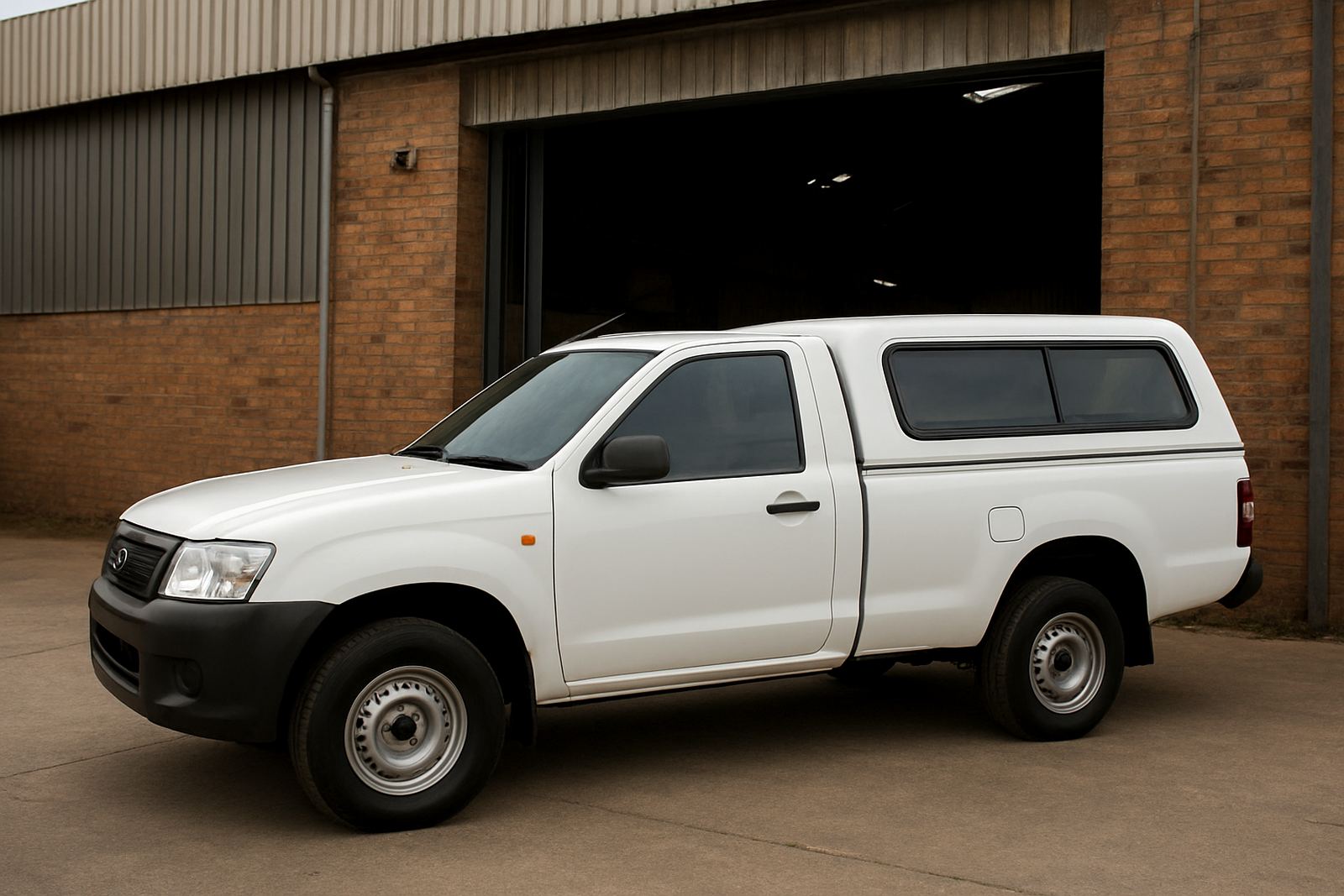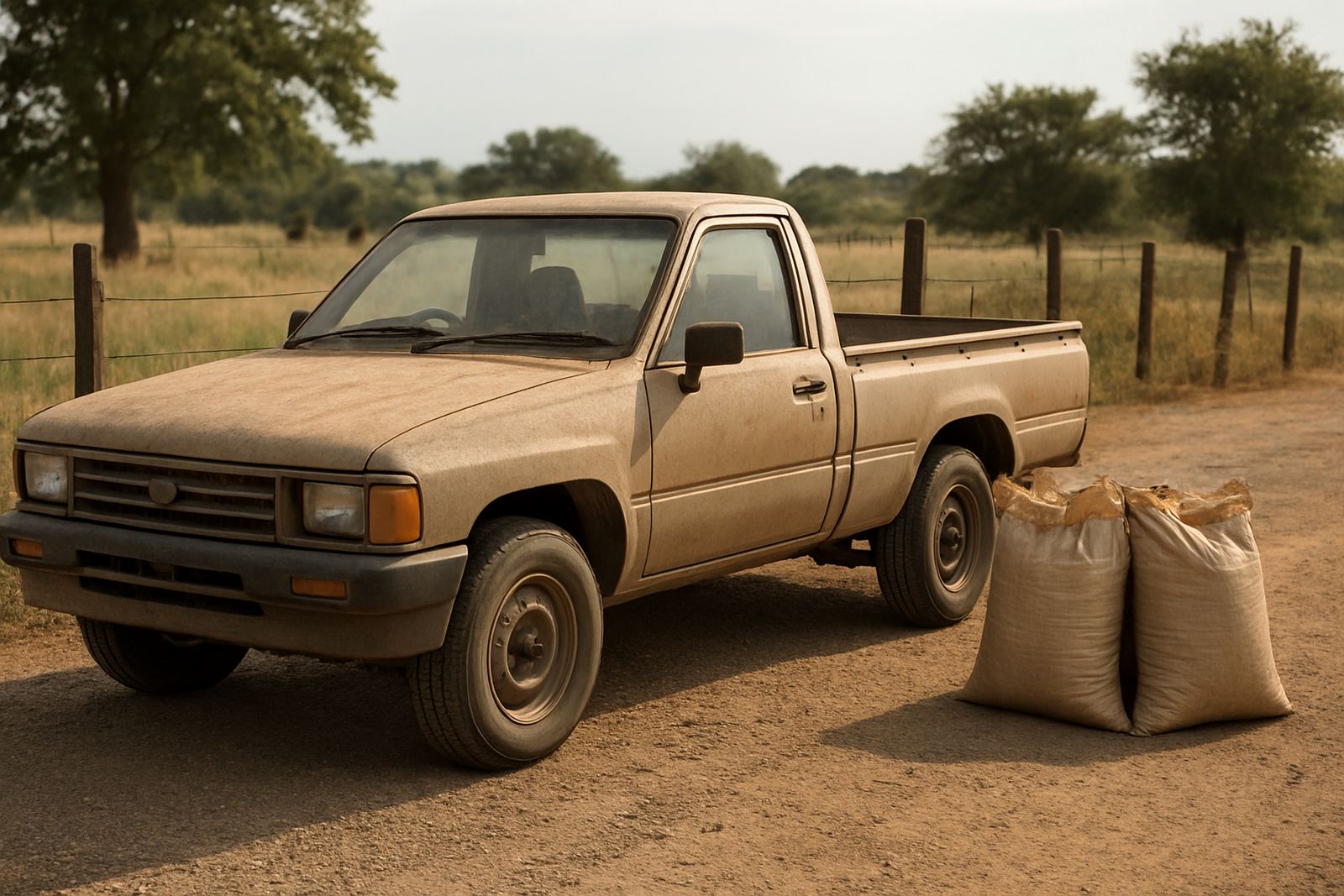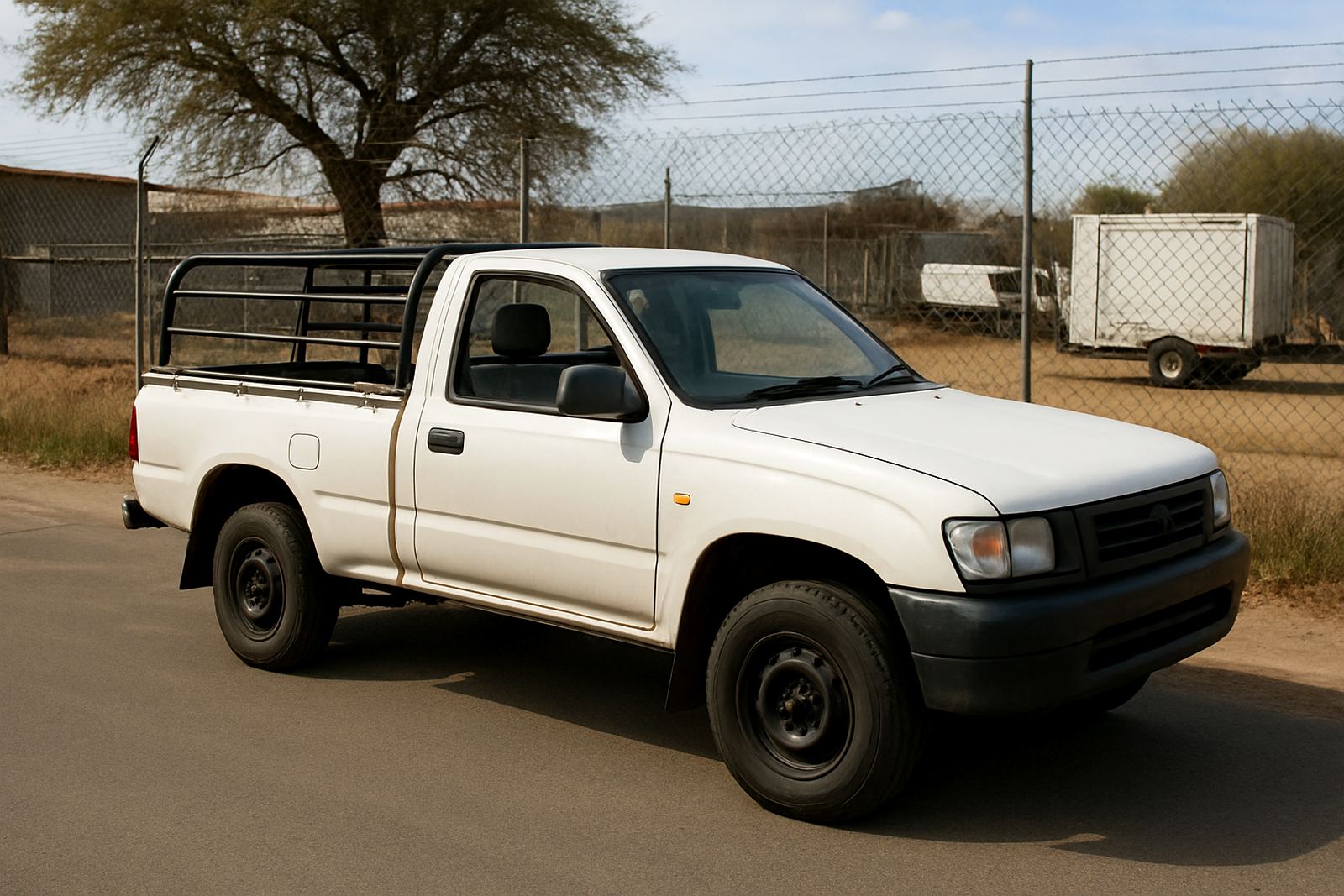
Crew Transport Bakkies For Daily Team Movement
Crew transport bakkies are built for work that starts early and ends late. They suit contractors, municipal teams, farm operations, security crews, maintenance firms and event crews that need to move staff together, along with tools and small loads, in one vehicle. A good unit should carry people safely, handle potholes and gravel, and still be easy to park in busy yards around Kempton Park, Johannesburg or Pretoria.
These bakkies are usually chosen when you need more seating than a single cab, but you still want a proper load area at the back. Many businesses use them for site handovers, technician runs, service calls and airport or depot transfers. On the right vehicle, you get better coordination and fewer delays, especially when power cuts, traffic or weather change the day’s plan. Some buyers call them double cab workhorses, but the real value is in how the seating and load space are balnced for the job.
- Common uses: crew transfer, service work, inspections, depot runs and site support
- Best for mixed loads: staff, hand tools, small equipment and paperwork crates
- Useful where vehicles must move between suburbs, industrial areas and rural routes
Cab Sizes, Seating And Load Space Options
Used crew transport bakkies come in different cab layouts and load-bed lengths. The most common option for business use is a double cab, which gives you four full-size doors and seating for a work crew. Some units may have jump seats or rear bench seating, depending on the body style and the way the vehicle was set up for its previous use.
When comparing units, check how many people must travel at once and how much gear needs to come with them. A crew of five with tool bags, cones and measuring gear may fit comfortably in a standard double cab. If your team carries longer items such as piping, ladders or fencing components, look closely at the load-bed length and whether a canopy or load liner is already fitted.
- Typical seating: 5 occupants in a double cab layout
- Load-bed lengths vary, with many used units around 1.5 m to 1.8 m
- Body features may include side steps, canopies, tow bars and load liners
- Cab space should allow safe seating, not cramped legroom for long trips
Where Crew Transport Bakkies Suit Best
These vehicles work well where staff must move between multiple sites in a day. That includes building contractors travelling between developments, facilities teams moving through office parks, landscaping crews, road maintenance teams and businesses with split operations between warehouse and field work. In Durban and other coastal areas, you may also want to look at corrosion on the underbody, wheel arches and tailgate hinges because humidity can be hard on older vehicles.
For inland routes, the main concern is often suspension wear, tyre condition and cooling performance in stop-start traffic. In Bloemfontein, Polokwane and Centurion, buyers often look for bakkies that can handle longer trips, gravel access roads and changing weather without rattles or overheating. If your team works at night or starts before sunrise, good headlamps, working interior lights and reliable charging points matter more than most people think.
These bakkies are also popular where a business needs one vehicle to do many jobs. A crew transport unit can carry staff in the morning, shift materials after lunch and still be ready for a late collection. That kind of flexibility saves time, and in many operations it saves fuel too.
Fitment, Safety Gear And Power Needs
Unlike a workshop machine or fixed plant, crew transport bakkies do not need installation in the usual sense. What matters is fitment and legal setup. Check whether the vehicle has approved seating, seat belts for every occupant, secure head restraints and a load area that has not been modified in a way that affects safety or licensing. If the bakkie has a canopy, tow bar or additional shelving, make sure these fittings are mounted properly and not loose.
Some businesses add charging points, work lights or inverter units for site equipment. If you plan to do that, confirm the vehicle’s electrical system can handle the extra draw and that the battery and alternator are in good condition. Where accessories are used, wiring should be neat and fused, because poor connections become a problem fast when the vehicle idles in traffic or sits with the engine off between jobs.
- Check seat belts, latches and seat mounts before purchase
- Ask whether any canopy, tow bar or roof carrier is included
- Confirm battery health, alternator output and accessory wiring
- For added lights or charging points, make sure the setup is properly fused
Care, Servicing And Daily Checks
Used crew transport bakkies need regular servicing if they are going to work hard. Oil changes, brake checks, tyre rotations and suspension inspections should stay on schedule. If the vehicle spends time on site roads or near coastal salt air, wash the underside and wheel wells more often to slow down rust. Businesses operating in dusty areas should keep an eye on air filters, because dirt reduces power and raises fuel use.
Daily checks are simple but important. Look at tyre pressures, lights, mirrors, windscreen chips, wiper blades and fluid levels before the first trip. If the bakkie is carrying people and tools, make sure the load is secured and nothing can roll into the footwell. Small faults are cheaper to fix early, and they help avoid downtime when you have a job booked for the morning. A little care goes a long way, specially on older used units.
- Service intervals should follow the vehicle maker’s schedule and working conditions
- Inspect brakes, tyres, shocks and clutch wear on vehicles used daily
- Wash mud and salt from the underbody after rough or coastal use
What To Check Before You Order
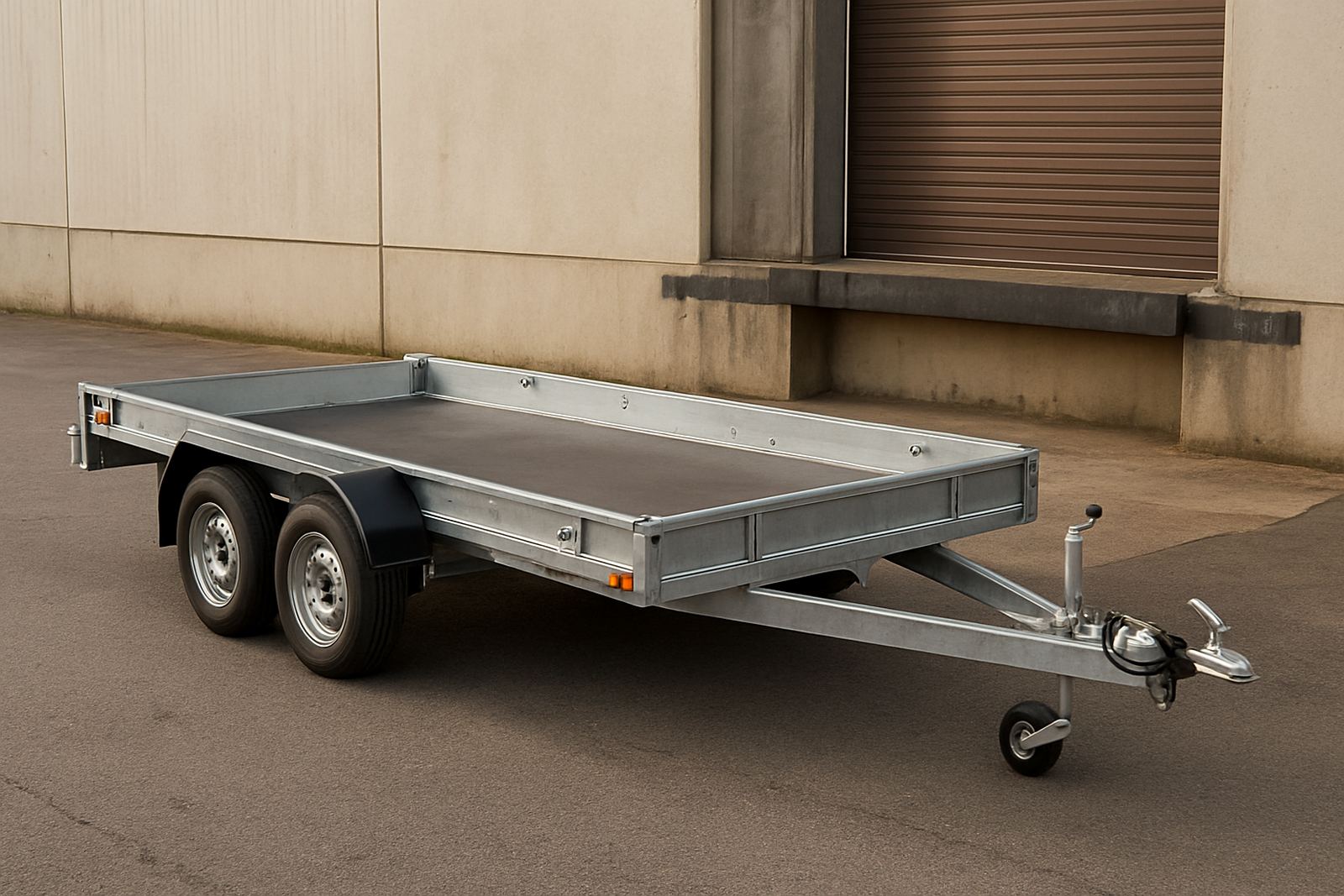
Before you place an order through Buy Those, think about how the bakkie will be used over the next 12 to 24 months. A vehicle that suits a three-person maintenance team may not suit a seven-person crew. If you transport people every day, comfort and safety matter just as much as load carrying. If the vehicle is expected to tow a trailer, confirm the tow rating and whether the hitch is already fitted.
It also helps to check the service history, accident repairs, panel fit and dashboard warning lights. A clean-looking bakkie can still hide worn suspension, poor clutch action or a tired cooling system. Ask about the kilometres, tyre age, spare wheel condition and whether any finance or ownership issues need clearance. For buyer support, our team helps compare options so you can choose the right unit without wasting time on unsuitable stock.
- Confirm seating count, cab layout and load-bed size
- Ask for condition reporting, service history and tyre age
- Check towing needs, payload needs and access to your site or depot
- Make sure the vehicle matches your budget and daily route pattern
Key facts
| Vehicle type | Used crew transport bakkies for business use |
|---|---|
| Seating capacity | Typically 5 occupants, depending on cab layout |
| Load-bed length | Commonly around 1.5 m to 1.8 m on used stock |
| Typical use | Team movement, site visits, service calls and depot runs |
| Key checks | Brakes, tyres, suspension, belts, tow rating and body condition |
| Service areas | Kempton Park, Johannesburg, Pretoria, Polokwane, Bloemfontein and Durban |