What A Service Body Bakkie Is Built For
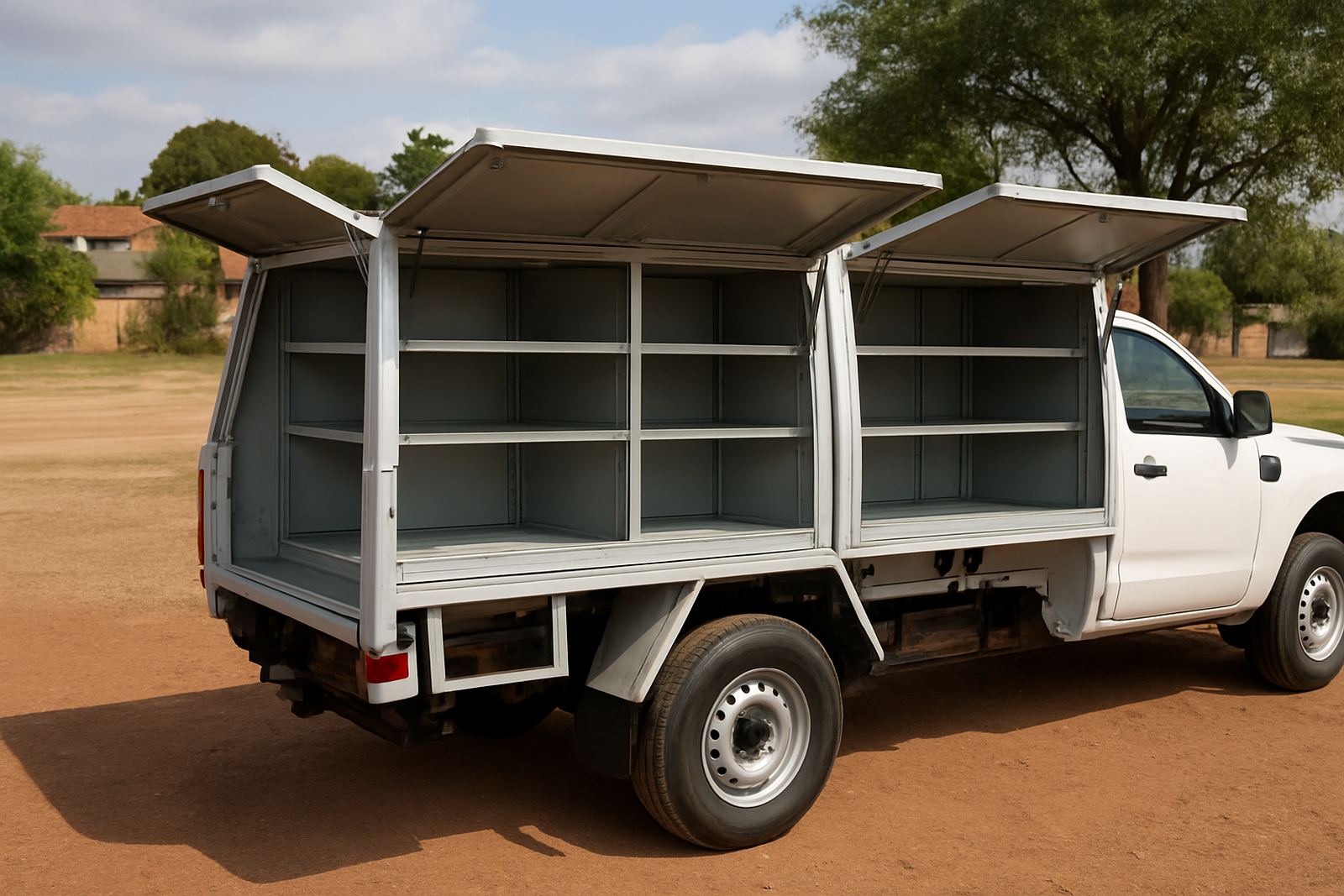
A service body bakkie is a work vehicle fitted with a compartment-style rear body instead of an open load bin. The layout keeps tools, fittings, spares and consumables separated and locked away, which is useful for electricians, plumbers, refrigeration teams, field service crews and municipal contractors who work from the vehicle all day.
The main advantage is access. Side compartments let you reach the items you use often without climbing into the load area, and the rear section can be set up for heavier gear, gas cylinders or a compact compressor. In busy areas like Johannesburg, Centurion and Durban, that saves time at each call-out and keeps equipment better organised.
- Lockable side compartments for hand tools and parts
- Rear load area for larger equipment and boxes
- Better security than an open tray
- Cleaner separation between tools, spares and waste
Common Sizes, Body Layouts And Options
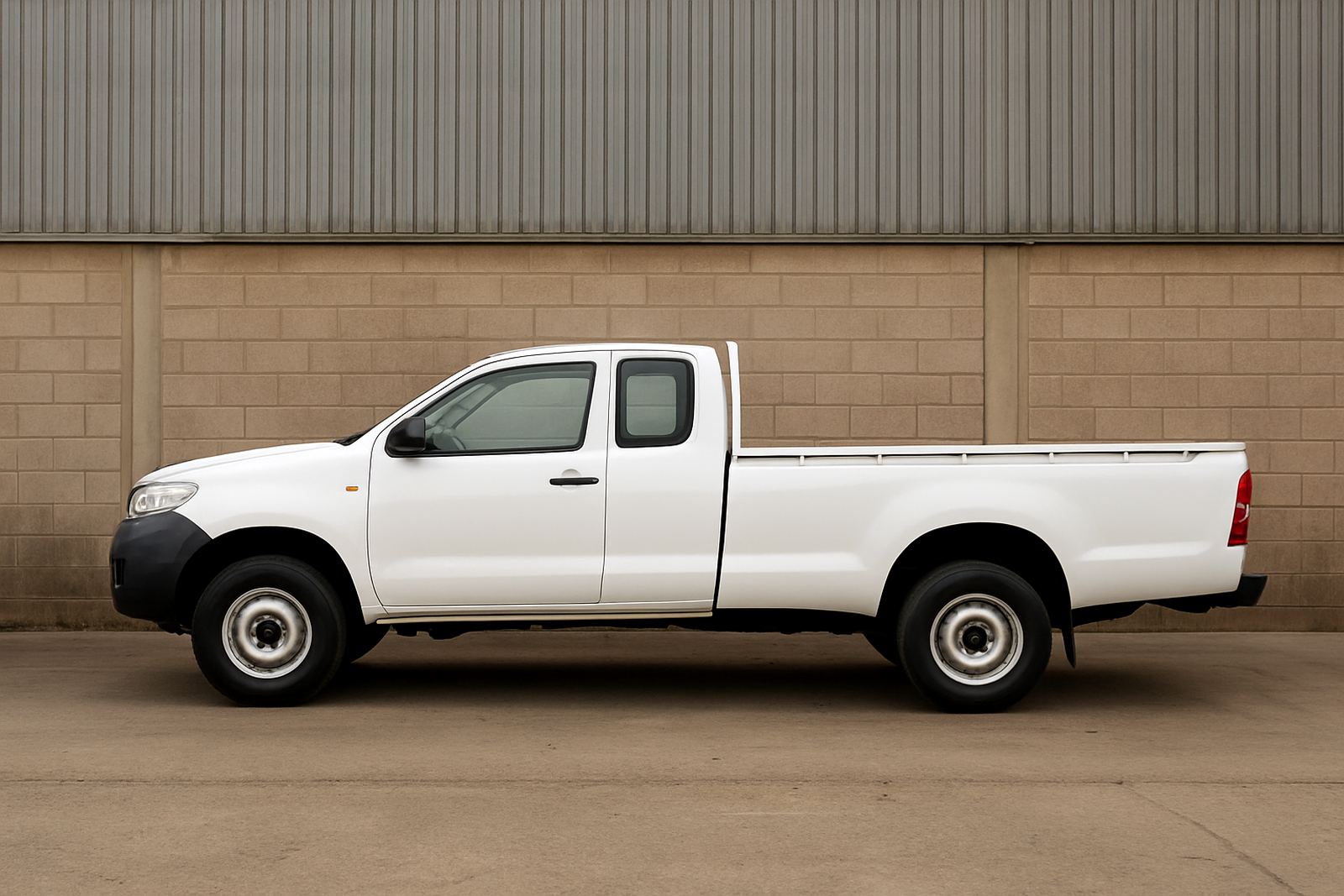
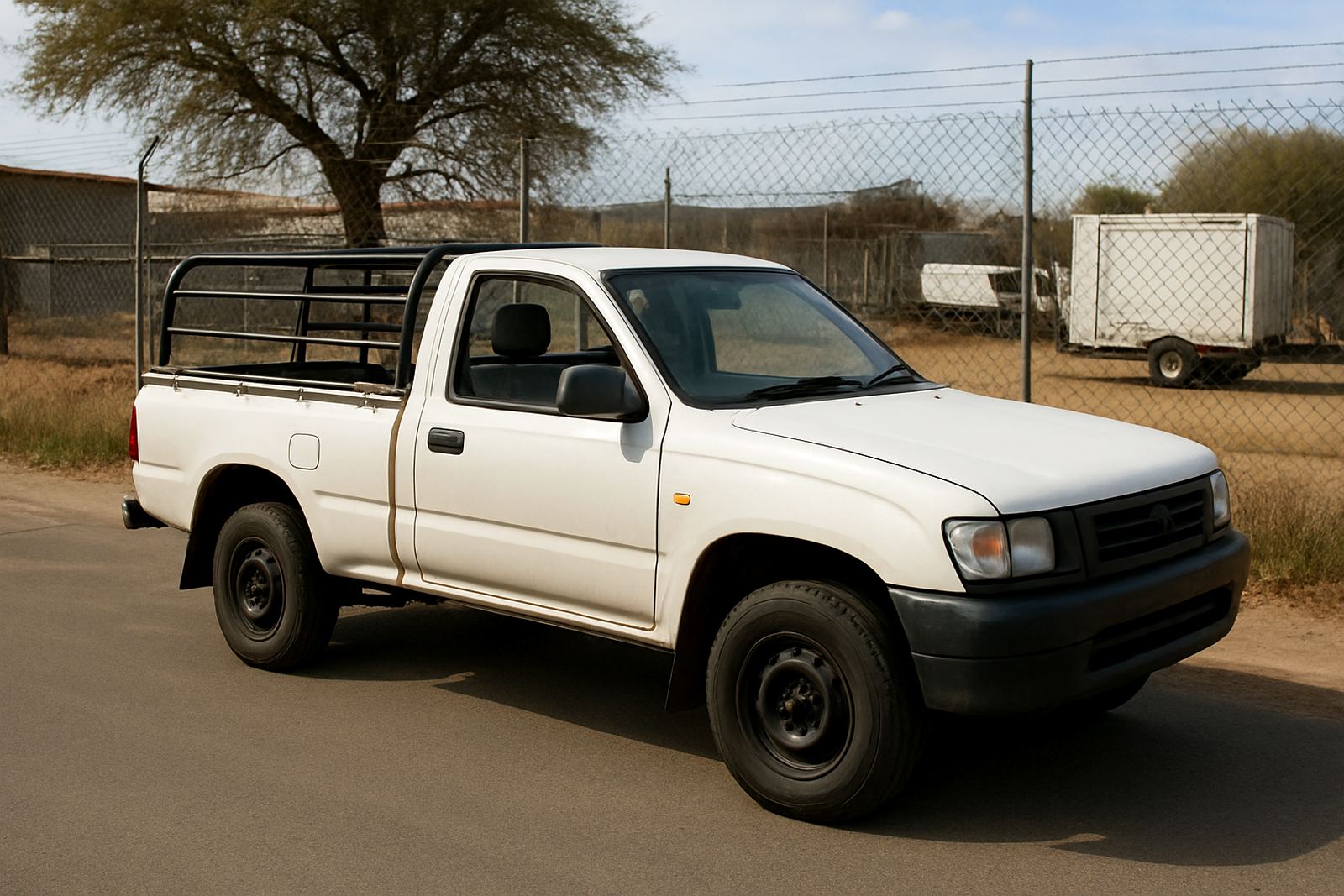
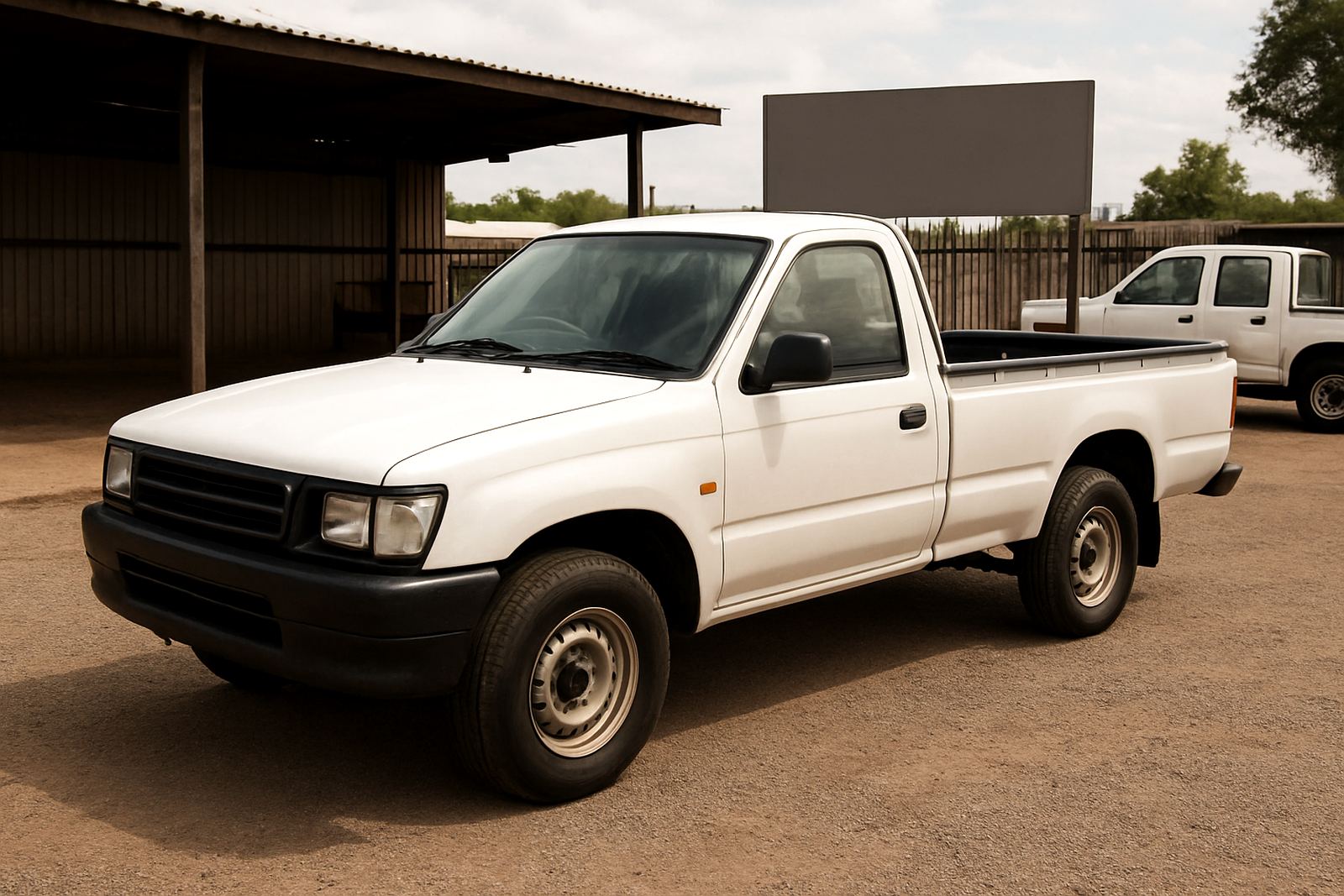
Most service body bakkies are based on single-cab or extended-cab chassis, depending on the crew size and the amount of gear carried. Single-cab units suit heavier work loads and bigger compartment bodies, while extended-cab layouts work well where a second person travels with the technician and still needs legroom. Some buyers prefer a canopy-style rear with side hatches, while others want a full compartment body with drawers, shelves and a top deck.
Typical body lengths range from about 2.0 metres to 3.2 metres, depending on the chassis and payload allowance. Width is usually set to match the bakkie frame without sticking out too far on narrow streets or in site yards. Height matters too, especially for parking garages, low bridges and loading bays in city centres. A higher body gives more storage, but it can affect stability if the load is not managed properly.
- Single-cab or extended-cab base vehicles
- Compartment bodies with fixed shelves or sliding drawers
- Roof racks for ladders, conduit or pipe lengths
- Optional vice mount, ladder rack or rear step assembly
Where These Bakkies Suit The Best
Service body bakkies suit mobile businesses that need to carry tools and keep stock secure while moving between jobs. They work well for maintenance teams, generator technicians, refrigeration installers, meter inspection staff, mobile mechanics and builders who need a clean layout rather than a loose load bin. For coastal work in Durban or humid areas on the East Rand, a well-sealed body also helps reduce rust on tools and parts.
They are also practical for mixed urban and regional routes. A buyer working between Pretoria and surrounding industrial parks may want a body with more small compartments for fittings, while a team heading out to Polokwane or Bloemfontein may prefer larger storage spaces for service kits and spares. The right setup depends on the trade, the route and how often the bakkie is loaded and unloaded each day.
- Field service and repair work
- Electrical, plumbing and HVAC use
- Municipal maintenance teams
- Mobile stock and equipment transport
Installation, Power And Gas Needs
Before fitment, check the chassis condition, suspension rating and legal payload. A service body adds weight, so the bakkie must still stay within its gross vehicle mass once tools, fuel, water, gas cylinders and passengers are included. If the vehicle will carry a compressor, inverter, battery bank or lighting system, ask how the electrical setup will be powered and where the cabling will run. In power cut areas, a split charging system or auxiliary battery can be a practical choice.
Some service bodies are set up for gas bottles, welders or small pumps. In that case, secure mounting, ventilation and safe isolation are important. Gas cylinders should be fixed properly and stored away from heat sources. If the unit carries a generator, confirm noise control, exhaust direction and access for refuelling. Small details matter, especially when the vehicle is working in tight residential streets or on site with municipal rules.
- Check payload after the body and accessories are fitted
- Confirm battery, inverter or generator placement
- Allow for safe storage of gas cylinders and fuel
- Make sure wiring is protected from dust and water
Care, Cleaning And Routine Servicing
A service body bakkie needs regular attention if it is to keep working hard. Hinges, locks and drawer runners should be checked often, especially on vehicles that travel over rough roads or gravel access tracks. Dust can build up fast in inland areas, while coastal humidity can affect latches, fasteners and electrical points if the body is not cleaned properly.
Wash the body after muddy sites, clean out compartments weekly and inspect seals for cracks or gaps. A small leak around a hatch can let in rain water and damage stock, labels or power gear. Tyres, suspension and brakes should also be watched closely because these vehicles often carry uneven loads. It is worth setting a service routine instead of waiting for something to fail at the side of the road.
- Lubricate hinges and locking points regularly
- Check seals, drain paths and compartment floors
- Test lights, chargers and auxiliary power fittings
- Repack and weigh heavy items to avoid uneven loading
What To Check Before You Order
Before you commit, confirm the exact trade use and what must fit inside the body. Measure longer items such as ladders, pipe lengths, conduit or cable reels, then compare those measurements with the available compartment and roof rack space. If the vehicle must enter a basement, warehouse or hospital loading zone, check height limits as well. A mismatch here can cause daily headaches, so it is worth measuring twice.
Ask about the body material, lock type, finish and mounting method. Some buyers need a lighter setup for better fuel use, while others need a stronger body for hard site work. Also confirm whether the vehicle includes viewing arrangements, pre-sale inspection details and delivery coordination if it is travelling to another city. At Buy Those, our team can help match buyers and sellers, inspect the vehicle and arrange collection or delivery where needed, so the right bakkie reaches the right job with less fuss.
- Confirm payload, wheelbase and body length
- Measure tools, ladders and long equipment before ordering
- Check lock quality, seal condition and compartment layout
- Ask whether the vehicle suits your route, site access and parking limits
Key facts
| Base vehicle types | Single-cab and extended-cab bakkies |
|---|---|
| Body length options | About 2.0 m to 3.2 m depending on chassis |
| Typical uses | Electrical, plumbing, HVAC, repairs and municipal work |
| Storage layout | Lockable side compartments, rear load area, shelves or drawers |
| Power options | Auxiliary battery, inverter, charging points or generator-ready fitment |
| Fitment checks | Payload, roof height, body mounting, seals and safety of gas or fuel storage |