Affordable Bakkies That Still Pull Their Weight
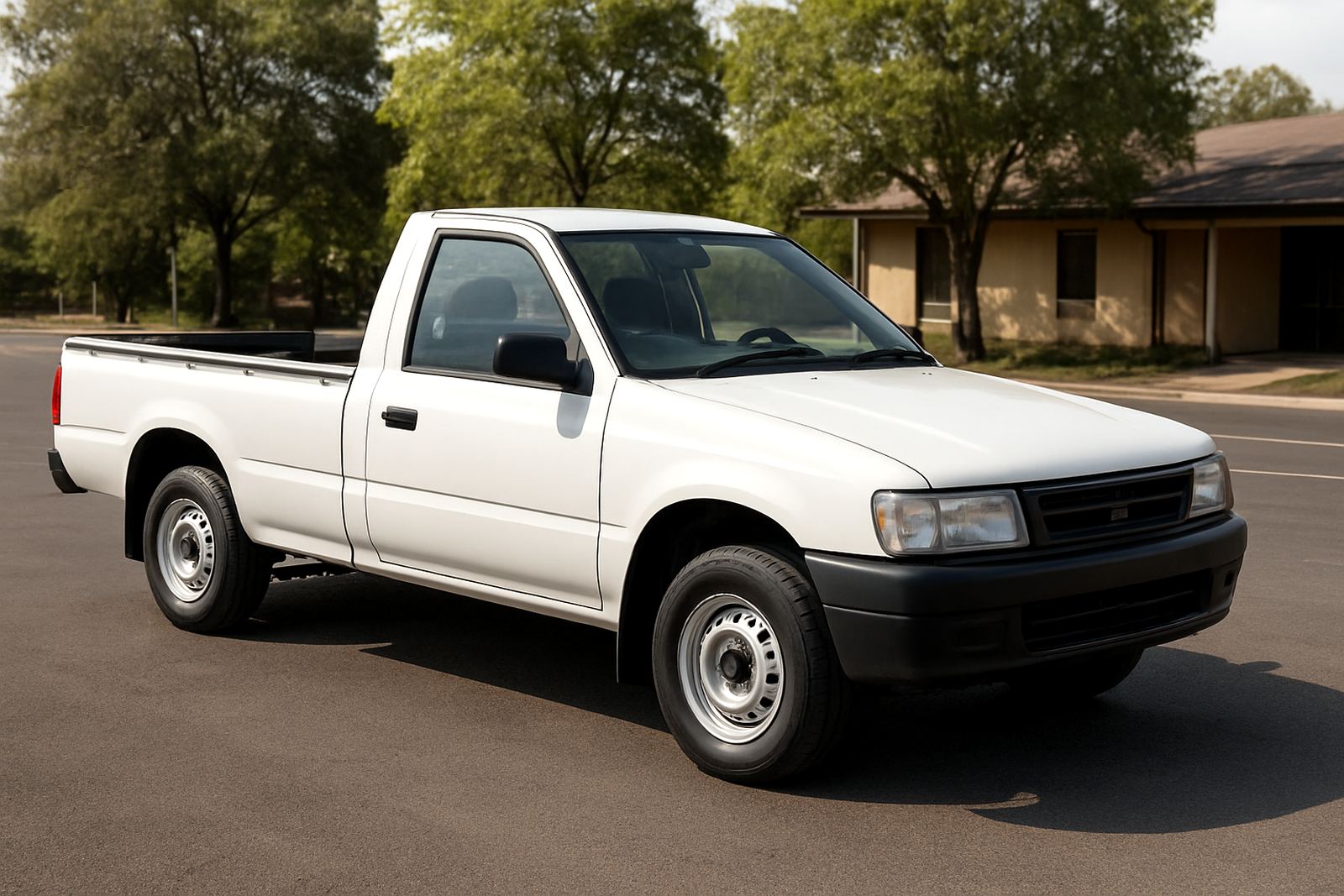
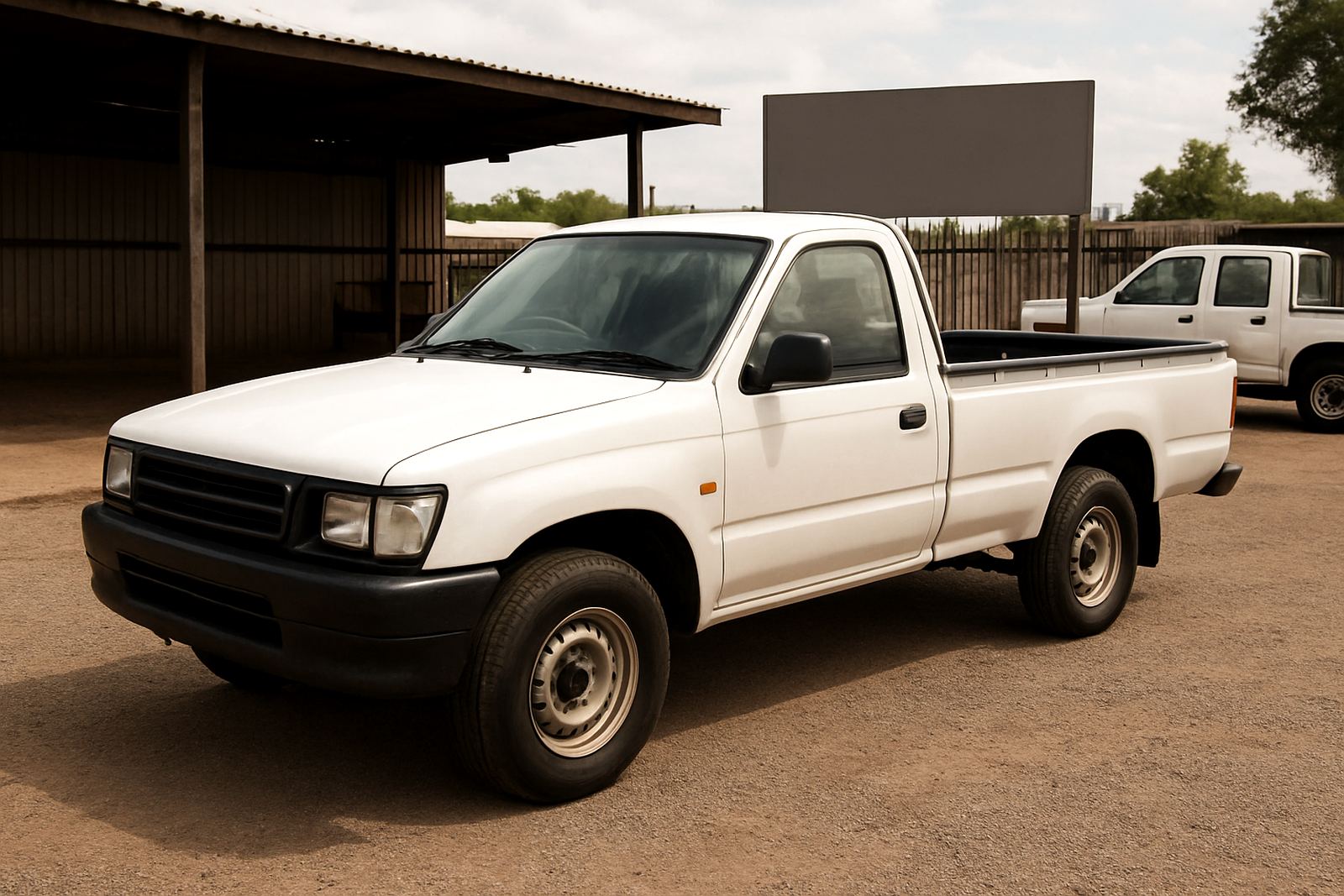
Budget bakkies are used vehicles priced for cost-conscious buyers who still need proper towing ability, load space and everyday reliability. They suit small businesses, contractors, farms, tradesmen and private buyers who want a strong all-round vehicle without stretching the budget. Most of these units are pre-owned single cab, extended cab or double cab bakkies, with diesel or petrol options depending on the model and age.
Because these are used vehicles, condition matters more than shiny extras. We focus on body condition, service history, engine health, gearbox feel, tyres, suspension, brakes and whether the load bin has been worked hard. A budget bakkie can be a smart buy if it has been maintained properly and the paperwork is in order, even if it has a few marks from real-world use.
Sizes And Cab Options To Match Your Work
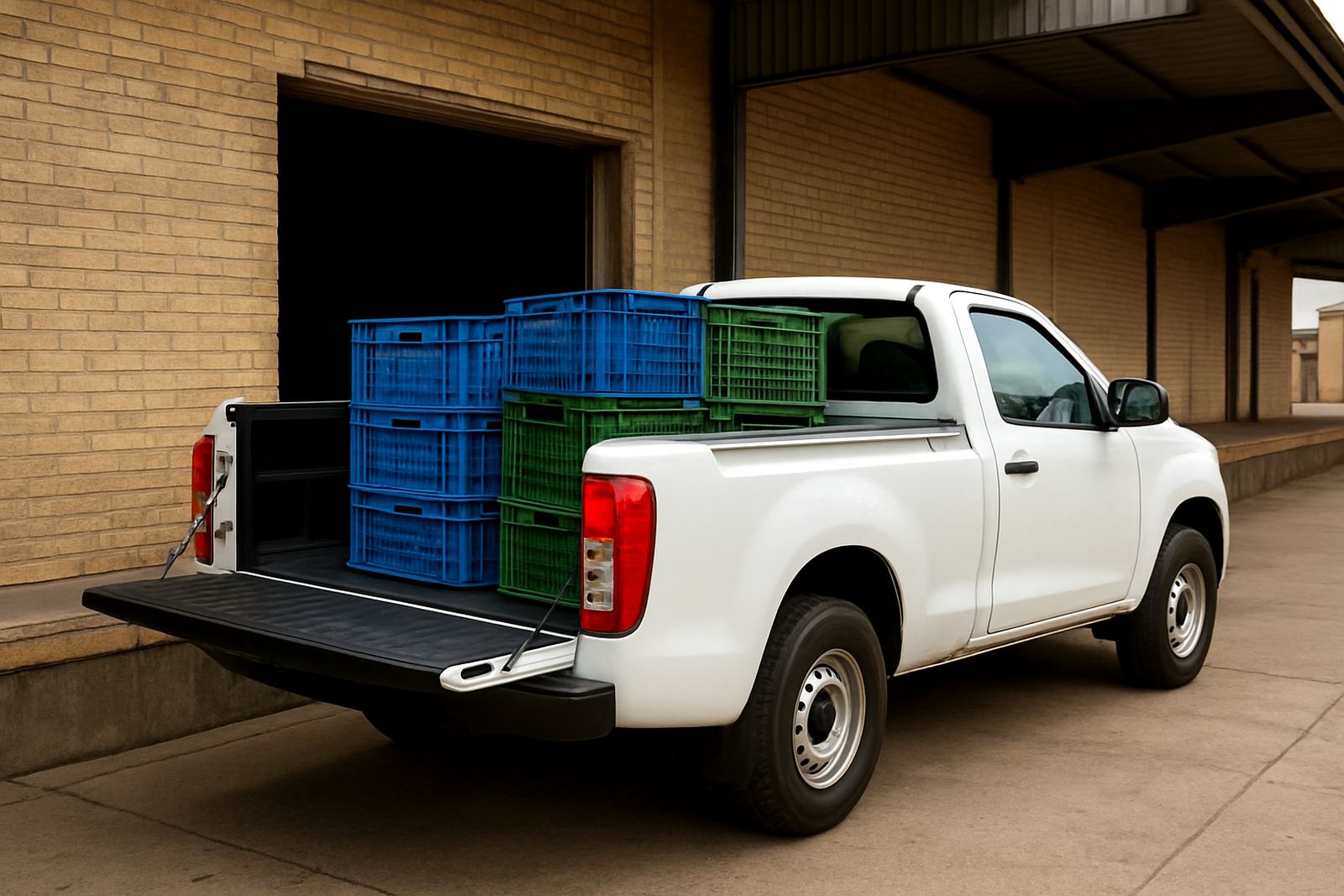
The right size depends on what you carry and how many people travel with the vehicle. Single cab bakkies are usually best for heavier loads and site work, while extended cab and double cab options give you more passenger room for family use or job crews. Load bins vary by make and model, but many buyers look for enough tray length for tools, building material, or delivery work.
- Single cab: best for maximum load area and lower running costs
- Extended cab: useful when you need a balance of load space and occasional extra seating
- Double cab: ideal for mixed work and family use
- Manual or automatic: depends on driving comfort, fuel use and traffic conditions
- Diesel or petrol: diesel often suits long distance and load carrying, while petrol can be simpler for lighter use
On Gauteng roads, a compact single cab can be easier to move through tight industrial areas, while a double cab is handy for mixed business and personal use. In coastal areas like Durban, many buyers also ask about corrosion and underbody condition because humidity can affect a vehicle over time.
Where Budget Bakkies Make Sense
These vehicles suit a wide range of jobs and households. They are common for plumbers, electricians, delivery drivers, builders, landscapers, farmers and security teams. A budget bakkie also works well for private buyers who need something practical for towing, garden runs, moving furniture or weekend travel. If your priority is utility rather than luxury, this is usually the most cost-effective route.
For businesses in Kempton Park, Pretoria and Johannesburg, a used bakkie can help keep fleet costs down while still meeting day-to-day demands. In Polokwane and Bloemfontein, buyers often look for durable vehicles that can handle longer distances and rougher roads. If the vehicle will be used in coastal conditions or dusty rural areas, ask about rust points, seals and the condition of the suspension before you commit.
- Great for trades and courier work
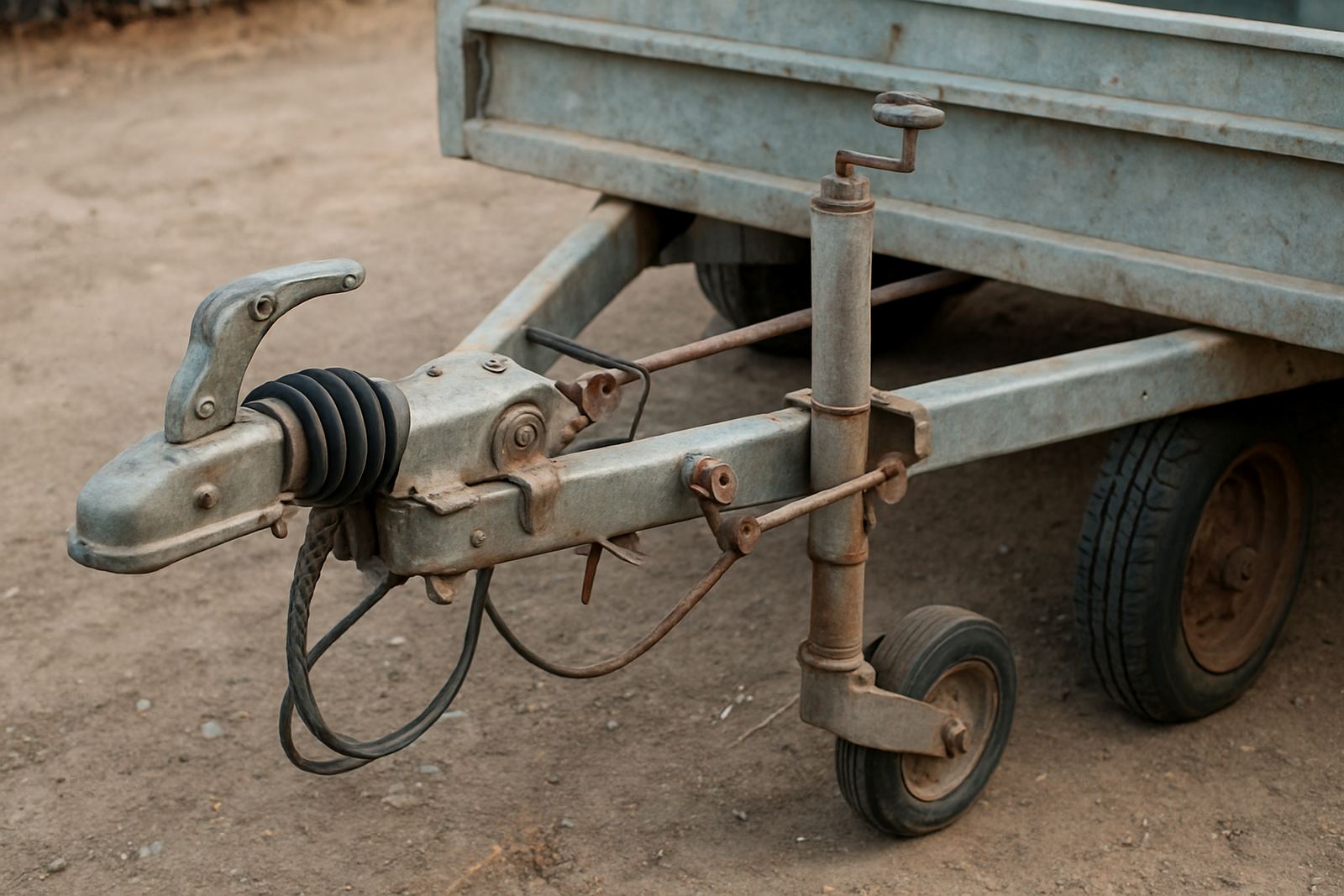
- Suitable for towing light to medium trailers
- Useful for farm, yard and delivery duties
- Practical for private buyers on a tighter budget
What You Need For Delivery And Everyday Use
Budget bakkies do not need installation in the usual sense, but they should be delivered, licensed and insured correctly before use. If you plan to fit tow bars, canopy shells, bin liners, load boxes or roof racks, make sure the vehicle is suited to that setup and that any modifications follow local road and municipal rules. Some buyers also fit tracking devices or work lights, especially where vehicles are parked outside overnight.
No power or gas supply is needed for the vehicle itself, which makes ownership simple. What matters is the mechanical condition, fuel type and whether the battery charging system is healthy. In areas with power cuts, a vehicle that starts reliably after short trips and stop-start use is important, so battery condition should be checked before handover. A low-cost bakkie can still be a headache if the electrics are weak or the starter system has been ignored.
Care And Servicing That Protects Your Budget
A used bakkie stays affordable only if servicing is kept up. Oil changes, filters, coolant, brake fluid and gearbox service intervals should be followed according to the vehicle age and mileage. Tyre wear should also be monitored, because a heavy-load vehicle can chew through tyres quickly if alignment or suspension is out. It is worth checking for leaks under the engine and around the differential, since small issues can become expensive fast.
Wash the vehicle regularly, especially if it operates near the coast or on dusty roads. Keep the load bin clear of standing water and check for dents or cracks around the tailgate and tie-down points. If the bakkie has a canopy, check the seals and hinges so that rain does not get in. A clean, well kept vehicle usually tells a better story than one that has been neglected and patched up, even if the price looks tempting.
- Service records help confirm how the bakkie has been used
- Check brakes, clutch feel and suspension bounce
- Inspect tyres for uneven wear and old sidewall cracks
- Look for rust around wheel arches, sills and the load bin
Checks To Make Before You Reserve A Budget Bakkie
Before you commit, ask for the year model, mileage, fuel type, transmission, load capacity and any visible damage. Confirm whether the vehicle is still on finance, whether licensing is current and whether it has been in an accident. If you need a bakkie for daily work, insist on clear condition notes and a recent inspection so there are no surprises when it arrives.
At Buy Those, our team can help with buyer matching, condition reporting, photo packages, price guidance and viewing arrangements, then assist with collection and delivery across South Africa. If you are buying in Johannesburg, Pretoria, Centurion, East Rand, Polokwane, Bloemfontein or Durban, we can help keep the process practical and straightforward. The goal is to help you recieve a bakkie that fits your budget and the job at hand, without wasting time on poor matches.
Key facts
| Vehicle type | Used bakkies for private and business use |
|---|---|
| Cab options | Single cab, extended cab and double cab |
| Fuel types | Diesel and petrol, depending on listing |
| Transmission | Manual and automatic, depending on stock |
| Typical use | Trade work, deliveries, towing and general transport |
| Service area | Kempton Park, Johannesburg, Pretoria, Polokwane, Bloemfontein, Durban and surrounding areas |