What a plant trailer is and why it is used
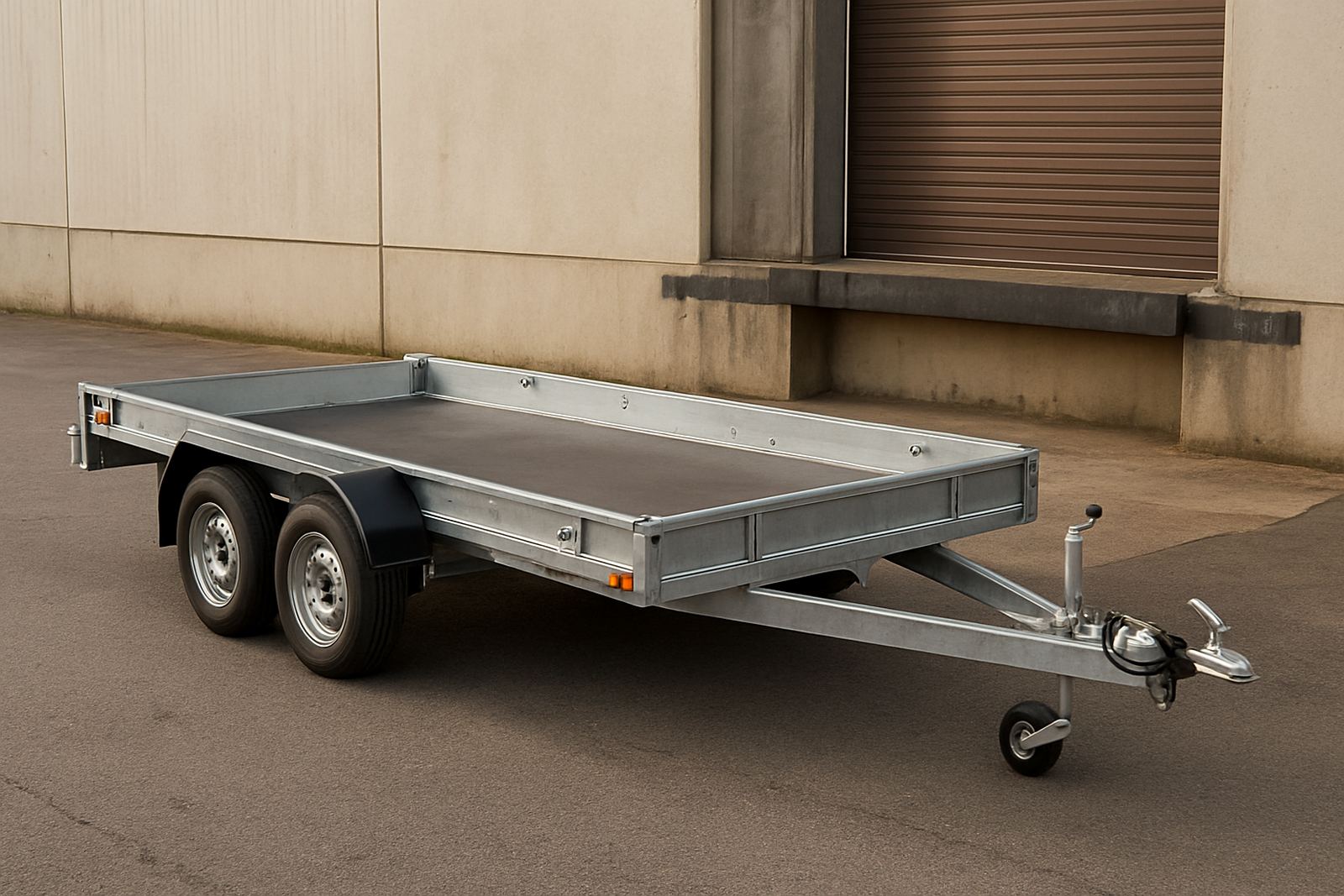
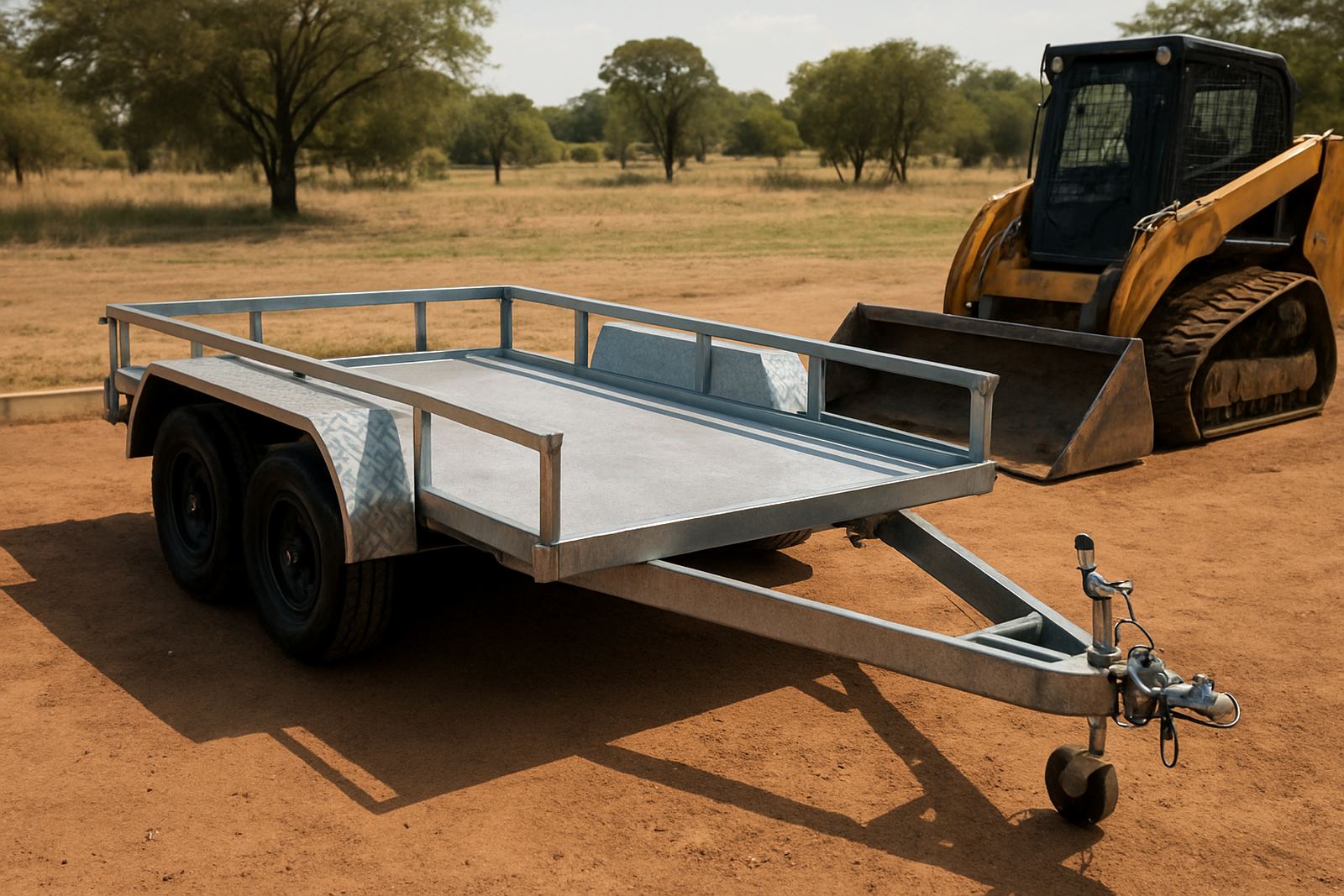
A plant trailer is a heavy-duty trailer made to carry compact machinery and equipment that is too awkward for a light utility trailer. It is commonly used for mini excavators, small skid units, rollers, generators, compressors and other site gear. For businesses that move equipment often, a good used plant trailer can save time and reduce wear on the vehicle doing the towing.
Most plant trailers are built with a low loading deck, ramps, a strong drawbar and a chassis suited to repeated loading. In South Africa, that matters when you are moving equipment through busy industrial areas like Spartan, the East Rand, or out to rural sites where road surfaces can change quickly. A well matched trailer also helps with stability on the N1, N3 and local roads, especially when you are towing in wind or in stop-start traffic.
We often see buyers looking for a trailer that can handle municipal jobs, small contractors, landscaping crews and plant hire use. The right trailer depends on the weight of the machinery, the axle setup, and whether you need open deck access or side rails for securing loads.
Common sizes, axle options and working specs
Used plant trailers come in a few common sizes and load ratings. The right choice depends on the type of machinery, the tow vehicle and how often you will load and unload. A smaller unit may suit one compact machine, while a larger trailer gives more working room and stronger weight capacity. Check the gross vehicle mass, tare and axle condition before you buy, because these figures affect legal towing and everyday use.
- Deck lengths commonly range from about 2.4 m to 4.8 m
- Deck widths commonly range from about 1.5 m to 2.2 m
- Single axle, tandem axle and tri axle options are available
- Load ratings often start around 1 500 kg and can go above 6 000 kg
- Ramps may be fixed, sliding or removable depending on the build
- Some units include side steps, rub rails and rear stabilisers
For compact plant, a tandem axle trailer often gives better balance and a smoother tow on longer trips. If you are moving heavier machinery or doing frequent site work, a tri axle setup can spread the load better. On older trailers, look closely at the drawbar, weld points, floor condition and suspension wear. A small crack can become a bigger problem after a few trips, especially on rough roads.
Best uses for plant trailers in South African work
Plant trailers suit businesses and private owners who need to move equipment between sites without bringing in a flatbed truck every time. They are used by contractors, garden and landscaping teams, civil crews, maintenance firms and dealers moving stock between yards. They also suit buyers who need to collect machinery from auctions, depots or private sellers across different towns.
These trailers are practical for:
- Mini excavators and compact diggers
- Walk-behind rollers and plate compactors
- Small generators and compressors
- Site fencing, pumps and tool cages
- Light recovery of equipment from one property to another
If you work in places like Centurion, Pretoria East, Durban industrial areas or the Polokwane outskirts, a plant trailer can make short notice movement easier. It also helps when power cuts affect site planning and you need to shift generators or backup equipment quickly. For coastal areas such as Durban, check for surface rust and corrosion on the chassis because humidity can shorten the life of unprotected steel.
What to check before you order a used trailer
Before placing an order, check the trailer against the machine you plan to carry. Measure the machine length, width and weight, including any buckets, attachments or fuel. Make sure the ramps are long enough for a safe angle, and that the towing vehicle has the correct rating. If the trailer will be used on public roads, confirm that the lights, coupling, tyres and registration papers are in order.
- Current tare and load rating
- Tyre size, age and sidewall condition
- Wheel bearings, hubs and brake components if fitted
- Ramp strength and locking pins
- Floor, crossmembers and welds
- Coupler type and safety chain condition
It is worth asking for clear condition reporting before you commit. Photos should show the deck, undercarriage, ramps and the hitch area, not just one side. If the trailer has been standing for a while, inspect the bearings and tyres carefully because flat spots and moisture damage are common. A quick check now can save a lot later, especially if the trailer is moving between towns on tight schedules.
Power, gas and fitting needs for site use
Plant trailers themselves do not need power or gas, but the equipment they carry often does. If you are moving generators, welders, pumps or compressors, think about how that gear is secured and started on site. Some buyers also fit toolboxes, spare wheel brackets, jerry can holders and load restraint points to make daily use easier.
If the trailer will sit on site for long periods, a few practical extras help. A spare wheel carrier, reflectors, wheel chocks and a solid jockey wheel can make setup simpler. For night work or early starts, good lighting is important, and all electrical fittings should be protected from dust and water. In coastal or high-rainfall areas, keep connectors dry and check for loose wiring after long trips.
There is no gas installation needed for the trailer itself, but if you are carrying gas-powered equipment make sure the cylinders are secured upright and separated from ignition sources. Municipal rules and roadworthy requirements can differ by area, so it helps to buy a trailer that is already tidy on paperwork and condition. That makes registration and moving between jobs less stressful.
Care, servicing and longer-term ownership
Used plant trailers last longer when they are washed down after muddy jobs, inspected after long trips and greased on schedule. Salt air, road grime and construction dust can all work into the moving parts. On a trailer used every week, a simple routine check can prevent downtime and unexpected repair costs. It does not need fancy treatment, just proper attention.
Keep an eye on tyre pressure, wheel nuts, grease points and the state of the decking. Replace worn light covers and damaged reflectors quickly. If the trailer is stored outside, use a cover where practical and park on level ground. When not in use, release the handbrake if fitted and chock the wheels where needed.
For many buyers, the deciding factor is whether the trailer has been used hard but cared for. Straight chassis rails, even wear on the tyres, working lights and sound welds are all good signs. If the trailer has been overloaded in the past, you may see bent ramps, cracked corners or uneven suspension wear. Those are worth noting before you buy, or the savings can disappear quickly.
How Buy Those helps with plant trailer buying
Buy Those works with private sellers and dealers who need a practical way to list and move used plant trailers across South Africa. From Spartan in Kempton Park, we help with buyer matching, inspection support, price guidance, viewing arrangements, collection coordination and delivery arrangements. That is useful when the trailer is in Johannesburg today and needed in Bloemfontein next week.
Our team handles listings, photo packages, condition reporting and seller support so buyers can compare options clearly. We assist across Kempton Park, Johannesburg, Pretoria, East Rand, Centurion, Polokwane, Bloemfontein and Durban. If you are after a trailer for a specific machine or route, the enquiry form on our contact page is the best place to start.
For buyers, the goal is simple: match the trailer to the load, confirm the condition and get it where it needs to go without wasting time. For sellers, it means reaching real buyers looking for plant trailers, not just casual enquiries. That saves a lot of back and forth, and keeps the process moving.
Key facts
| Typical deck length | 2.4 m to 4.8 m |
|---|---|
| Typical deck width | 1.5 m to 2.2 m |
| Load rating | About 1 500 kg to 6 000 kg plus |
| Axle setup | Single axle, tandem axle or tri axle |
| Common uses | Mini excavators, rollers, compressors, generators |
| Service areas | Kempton Park, Johannesburg, Pretoria, Polokwane, Bloemfontein, Durban |