What a flatbed trailer does on the road
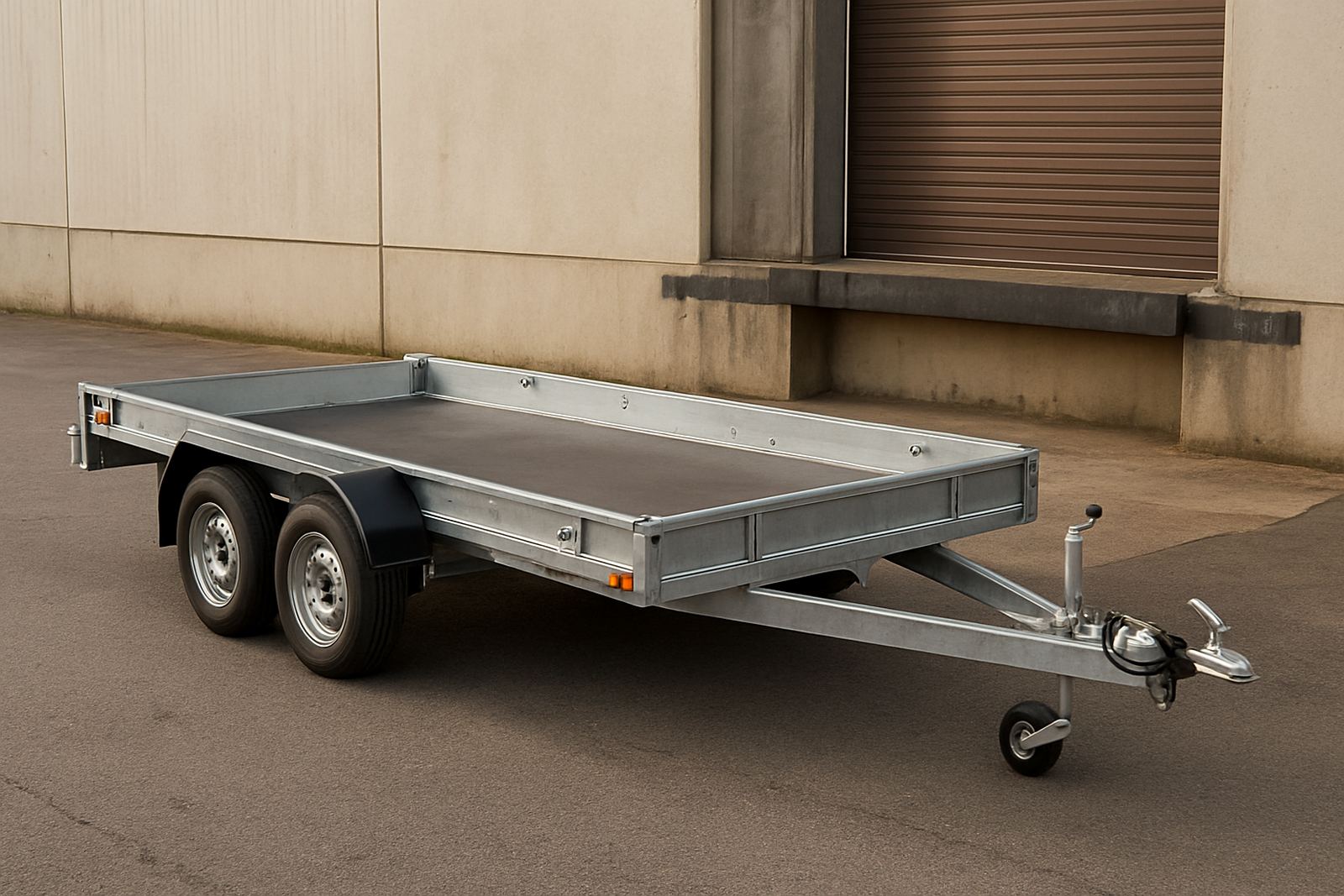
A flatbed trailer gives you an open loading platform with side rails, tie-down points and a tow hitch for moving goods that are too large, too awkward or too dirty for a covered trailer. It is often used for building materials, plant hire equipment, small machinery, scrap, palletised stock and farm loads. Because the deck is open, loading is quicker with a forklift, crane truck or ramp, and you can strap down the load from several angles.
For many buyers, the appeal is simple: one trailer can handle different jobs without needing special fittings. If you are working in Johannesburg, Pretoria, Polokwane, Bloemfontein or Durban, that flexibility matters when deliveries change at short notice, or when the load size shifts from week to week. Used flatbeds are often chosen by businesses that want value without buying new, provided the frame, axle and deck are still in good order.
Common sizes, deck styles and load ratings
Flatbed trailers come in a range of lengths and widths, and the right choice depends on what you move most often. A smaller unit may suit garden equipment or a few pallets, while a longer trailer is better for machinery, crates and mixed freight. Width usually needs to match the load and the route too, especially if you must use older access roads or tight industrial yards.
- Deck length: about 2.4 metres to 6.0 metres for most used units
- Deck width: commonly 1.5 metres to 2.4 metres
- Load rating: from light-duty around 750 kg to heavy-duty 3 500 kg plus, depending on axle setup
- Deck material: steel frame with treated timber planks or full steel plate
- Axle layout: single axle, tandem axle or braked configuration
Some trailers are fitted with drop-down rear gates, removable side rails or stake pockets for longer items. If you plan to move machinery, check the ramp angle and the deck height. A low deck is easier for loading and safer for heavier items, especially when you are working without a full loading bay.
Where flatbed trailers suit everyday work
Flatbed trailers are used in transport yards, construction sites, workshops, dealerships, farms and even by private owners who need to move bulky household or DIY loads. They are a good fit when the cargo can be strapped securely and does not need weather protection. In coastal areas like Durban, buyers often look for corrosion resistance because salty air can work on brackets, lights and fasteners quicker than expected.
They suit loads such as paving pallets, timber bundles, water tanks, generators, compressors and small bakkie loads that need extra carrying space. They are not ideal for loose goods that can blow away, or for items that must stay dry unless you add a tarp and proper tie-downs. If your work includes municipal areas with weight checks and permit rules, the actual tare weight and gross weight must be known before purchase.
- Good for palletised freight and building supplies
- Useful for compact machinery and site equipment
- Handy for farm use, scrap runs and general hauling
- Can be adapted with ramps, toolboxes or load bars
What to inspect before you place an order
Used trailers should be checked carefully before money changes hands. Start with the chassis and look for bends, rust around welds, cracked cross-members and signs of repairs that were done badly. Then inspect the axle, springs, hubs and tyres. Uneven tyre wear can point to alignment issues or a bent axle, and a noisy wheel bearing can become an expensive problem fast if ignored.
Also check the lights, plug, coupler, jockey wheel and safety chain. On older trailers, wiring faults are common, especially after long storage or repeated exposure to rain. Make sure the deck is level, the floor boards are still solid, and the load points are not torn or stretched. If you are buying for a business in Gauteng, ask for any available condition report so you know what may need attention before the trailer goes into daily use. A quick inspection now can save a lot of downtime later.
- Frame straightness and weld quality
- Tyre age, tread and sidewall damage
- Bearings, hubs and suspension play
- Working lights, reflectors and plug condition
- Floor condition, ramps and tie-down points
Power, gas and fitting requirements to consider
A flatbed trailer itself does not need power or gas, but the gear you carry often does. If you transport generators, compressors, welders or gas bottles, you need enough load space to secure them safely and comply with transport rules. Open trailers make it easier to carry fuel-driven equipment, but the load must still be clamped down correctly and kept away from hot exhausts or moving parts.
If you are ordering a trailer to suit a specific machine, check the footprint, weight and centre of gravity before you choose the deck size. Some buyers forget the ramps or loading angle, and then the machine cannot be loaded safely. In areas with power cuts, businesses often move backup generators between sites, so tie-down strength and deck space become more important than fancy extras. A proper trailer should match the load, not just the number on the badge.
Care, servicing and life in South African conditions
Flatbed trailers last longer when they are cleaned after use and stored where standing water cannot sit around the frame. Mud, fertiliser, cement dust and coastal moisture all speed up wear. Wash the deck, check for loose fasteners and keep the coupling greased. If the trailer sits outside in Kempton Park or the East Rand, cover the lights and inspect the plug regularly because dust and vibration can cause faults over time.
Bearings should be serviced on schedule and tyres checked for pressure before every trip. If the trailer is used often on rough roads, inspect the suspension and wheel nuts more often too. A small crack near a weld or a soft wheel bearing may look minor, but it can grow into a roadside breakdown. Good habits make a difference, especially when the trailer is moving between towns and not just used on one local site.
How Buy Those helps you choose the right trailer
Buy Those assists private sellers and dealers with listings, inspections, buyer matching and delivery arrangements across South Africa. When you enquire through the contact form, the team can help you compare options by size, condition and intended use. That is useful if you are buying in Johannesburg but need collection from Pretoria, or if a Durban buyer wants a trailer sourced from the East Rand.
Our team includes vehicle inspection, buyer liaison and logistics support, so the process stays practical from first enquiry to handover. If you need a straight answer on whether a trailer suits your load, ask for the key measurements, photos and condition notes before you commit. For many buyers, that extra check is what keeps the purchase sensible and the delivery on track.
Key facts
| Trailer type | Used flatbed trailer |
|---|---|
| Typical deck length | 2.4 m to 6.0 m |
| Typical deck width | 1.5 m to 2.4 m |
| Load capacity | About 750 kg to 3 500 kg plus |
| Common axle setups | Single axle or tandem axle |
| Best use | Pallets, machinery, bulky loads and site equipment |