Automatic Bakkies for Everyday Driving and Work
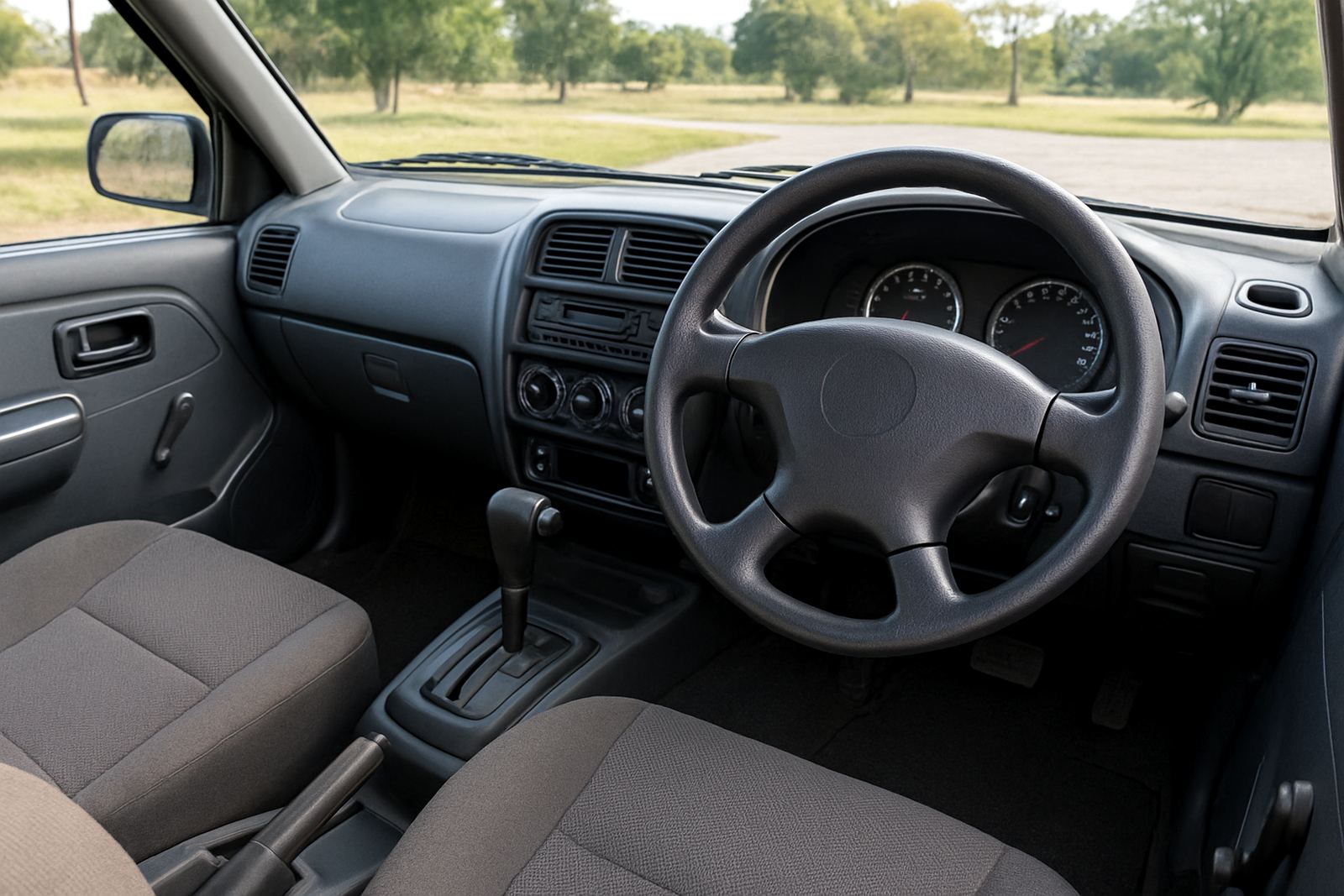
An automatic bakkie takes the strain out of gear changes, which is useful on the M1 into Johannesburg, the R21 to Pretoria, or short delivery routes where you stop often. For private buyers it can make school runs and weekend trips easier, while for small businesses it helps drivers stay focused on the road and the load. Many of the used automatic bakkies we list are bought for general transport, trade work, farming errands and light courier use, so the options vary in cab layout, towing ability and tray size.
These vehicles are popular because they balance ease of driving with proper load carrying. You still get the value of a bakkie, but with a gearbox that is simpler in traffic and better for mixed urban driving. If you are comparing vehicles for a team in Gauteng, the East Rand or further afield in Durban, automatic can be a practical choice, especially when different drivers use the same vehicle and clutch wear becomes a concern.
Cab Sizes, Tray Lengths and Common Options
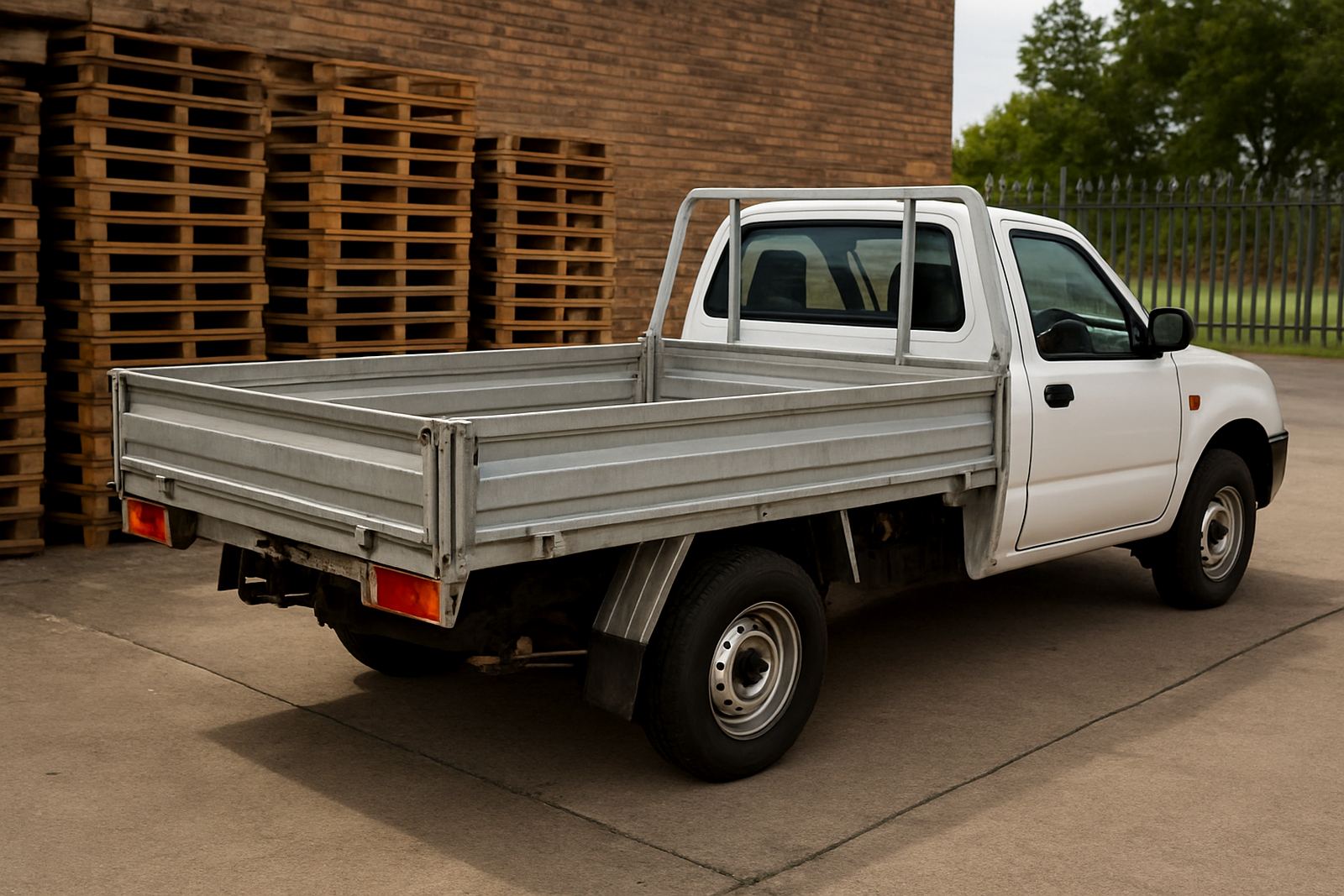
Used automatic bakkies come in a few common formats, and the right one depends on what you carry and who will drive it. Single cab models usually give you the longest load area and are often chosen for tools, stock or building material. Extended cab options give a small rear storage area for occasional passengers or secure items, while double cab models suit mixed family and work use with four doors and rear seating. If you need to move goods through tighter streets in Pretoria CBD or around Kempton Park industrial areas, a shorter wheelbase can be easier to park and turn.
- Single cab: best for maximum tray space and regular payload work.
- Extended cab: a middle ground for tools, gear and the odd passenger.
- Double cab: useful for staff transport and family use with a tray.
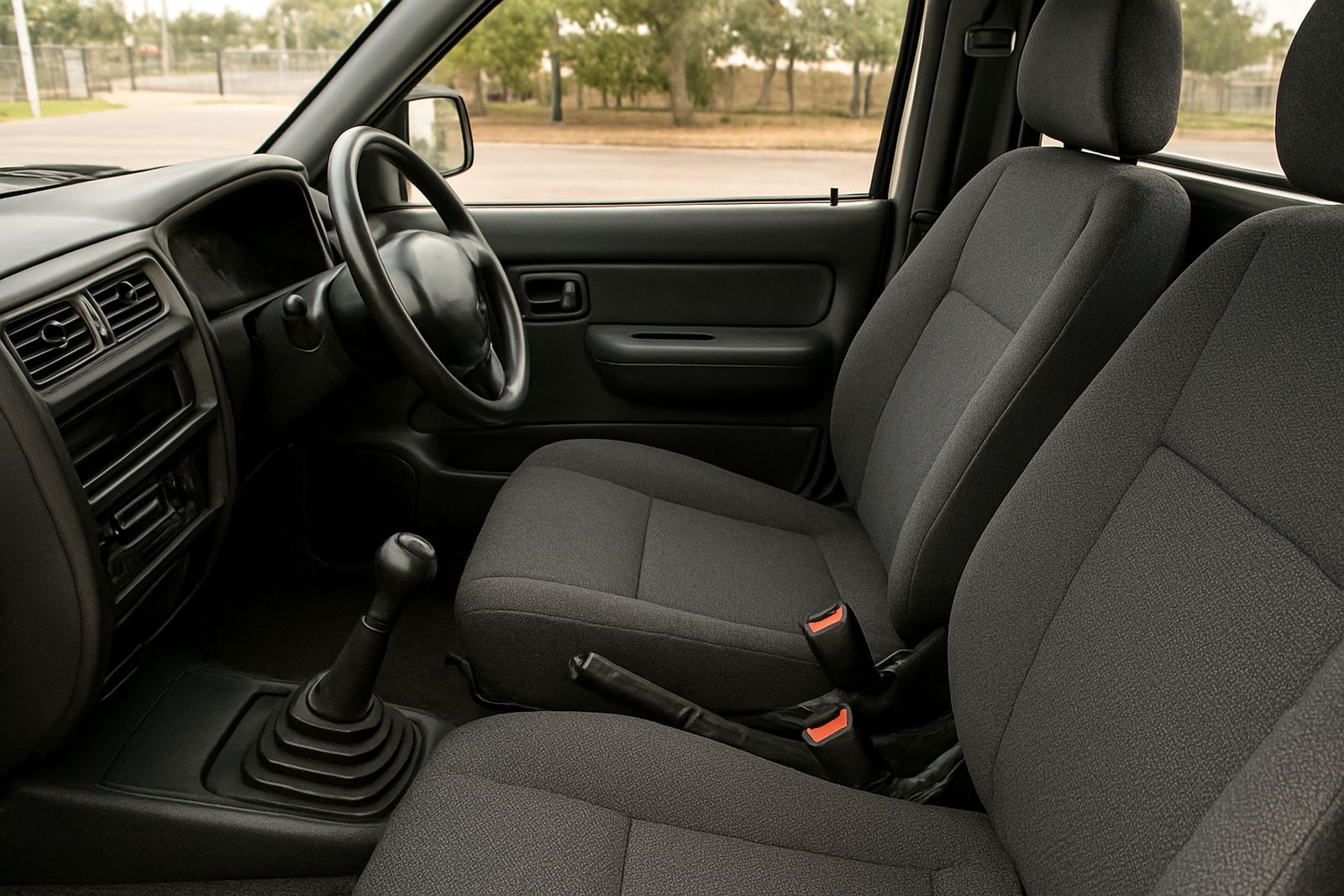
- Manual and automatic variants may appear in the same body shape, so always check the gearbox type.
Tray size matters too. A longer tray can help with timber, ladders and boxed stock, while a shorter tray may be fine for courier parcels or light equipment. Some bakkies have canopies, tow bars, rubberised load beds or fitted seat covers, and those extras can add value if they are in good condition. Watch for mismatched accessories though, because poorly fitted items can rattle or leak in wet weather.
Where Automatic Bakkies Suit Best
Automatic bakkies work well in places with stop start traffic, hilly roads and multiple delivery stops. In Johannesburg and Centurion, they are often a better fit for urban routes than a manual gearbox because the driver is not constantly working the clutch. In Durban, where humidity and coastal conditions can affect trim and underbody parts, buyers should still check for rust, but the gearbox type itself is less tiring in heavy traffic and on longer coastal runs.
They also suit businesses that hand one vehicle to several drivers. An automatic is easier to learn on, and that can reduce driver fatigue on busy days. For private use, it is a good option if you commute from the East Rand, collect children after school, or want a bakkie that feels more relaxed in day to day driving. The biggest trade off is usually fuel use and purchase price, which can be a bit higher than a similar manual model. That said, the comfort in traffic often outweighs the difference for many buyers.
- Best for urban and mixed route driving.
- Useful where different drivers share one vehicle.
- Handy for frequent stops, deliveries and school runs.
- Suitable for buyers who want less clutch wear in heavy traffic.
What to Check Before You Order
Because these are used vehicles, the right checks matter. Look at the service record, gearbox behaviour, start up noise, tyre wear, brake feel and the condition of the tray and cab. On an automatic bakkie, smooth gear changes are important. Harsh shifts, delay when pulling away, warning lights or slipping under load can point to expensive repairs later on. If the vehicle has done work in coastal areas or on rough sites, inspect the underside, tow points and suspension carefully. A bakkie can look tidy from the outside and still need work underneath, so a proper inspection is worth it.
- Confirm the gearbox shifts cleanly from cold and when warm.
- Check for oil leaks, coolant stains and any burning smell.
- Inspect the tray floor, tailgate and load securing points.
- Ask about towing use, as heavy towing can affect gearbox life.
- Verify licence papers, vin details and roadworthy status before collection.
Buyers should also check mileage against condition. A high kilometre bakkie with honest records can still be a solid option, while low mileage without proof can be a red flag. If you are ordering for business use, match the bakkie to the job instead of only chasing the lowest price. A small saving upfront can become costly if the vehicle is under spec for the work you need it to do.
Care, Servicing and Power-Cut-Friendly Use
Automatic bakkies need regular servicing to stay reliable, especially if they are used for delivery work or spend a lot of time idling. Keep to the correct service intervals for the engine and gearbox, and do not ignore small changes in how the vehicle drives. If it starts revving higher than normal, shifting late or running hotter than usual, book it in before the issue grows. For used units in Gauteng and KwaZulu-Natal, service history matters because stop start use and heat can be hard on fluids and cooling systems.
Many buyers also use these bakkies for work during power cut periods, so it helps if the vehicle is mechanically sound and easy to start after short stops. Check the battery age, alternator output and lighting, especially if you work early mornings or late afternoons. Keep the tyres at the correct pressure, wash out mud and salt where needed, and grease moving parts if the bakkie is used on sites. A little care goes a long way and helps the vehicle hold its value.
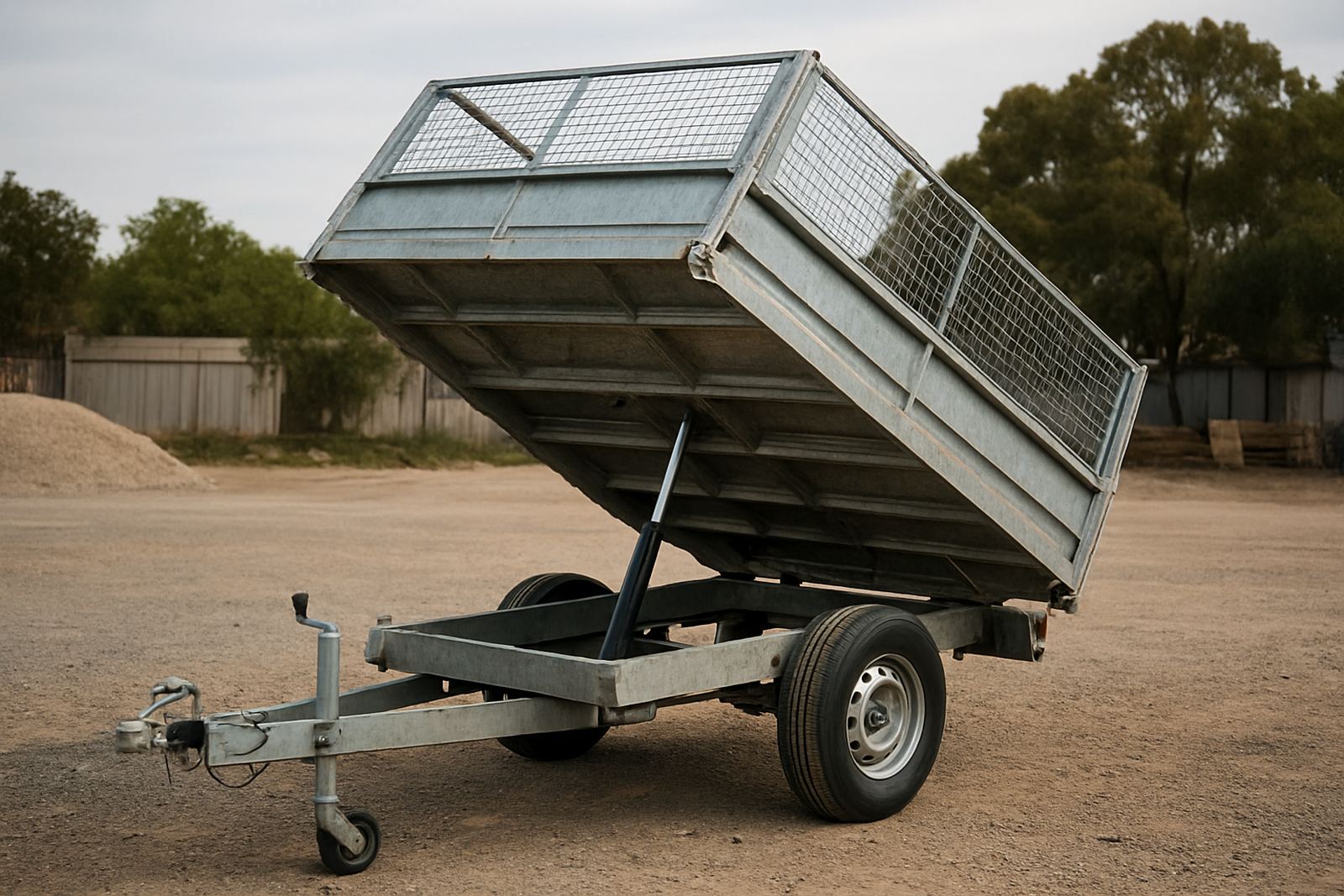
If the bakkie will carry tools, stock or camping gear, use proper tie downs and do not overload the rear axle. Transmission wear and suspension damage often come from carrying more than the vehicle is meant for. For operators in Bloemfontein or Polokwane where roads can vary a lot, sensible loading is just as important as good driving.
How We Help Buyers Compare the Right Vehicle
Buy Those works with buyers and sellers across Kempton Park, Johannesburg, Pretoria, Polokwane, Bloemfontein and Durban, helping to match the right automatic bakkie to the right use. We can assist with listings, pre-sale inspections, condition reporting, buyer matching and viewing arrangements. If you are buying from a private seller or dealer, having clear vehicle information before you travel saves time and helps you compare options properly.
Our team in Spartan, Kempton Park handles inspections, photo packages, price guidance and delivery arrangements. That means buyers can look at condition, paperwork and use case before making a decision. For sellers, it also helps to present the vehicle clearly, with honest details on body condition, service history and any work done. Straightforward information makes the process easier for everyone and avoids wasted trips.
- Used vehicle listings with condition notes.
- Pre-sale inspections and reporting.
- Buyer support through the enquiry form.
- Collection and delivery coordination where required.
Whether you need one bakkie for personal driving or several vehicles for a business fleet, the goal is to find a unit that suits your routes, budget and running costs. A good automatic bakkie should feel easy in traffic, hold its load properly and keep going without fuss, which is what most buyers want in the end.
Key facts
| Vehicle type | Used automatic bakkies |
|---|---|
| Body styles | Single cab, extended cab, double cab |
| Gearbox | Automatic |
| Typical use | Commuting, deliveries, mixed urban driving, light work |
| Common checks | Service history, gearbox shifting, tyres, brakes, tray condition |
| Service area | Kempton Park, Johannesburg, Pretoria, Polokwane, Bloemfontein, Durban |