Why manual bakkies still make sense
Manual bakkies remain a solid choice for farms, building crews, small businesses and private owners who want to keep running costs sensible. With fewer automatic components to worry about, many buyers prefer the direct feel, especially on uneven gravel roads, steep site entrances and stop-start urban routes in and around Gauteng.
They are also easier to match to a specific job. If you need a workhorse for daily deliveries in Kempton Park, towing a small trailer in Centurion, or moving stock between depots in Pretoria and Johannesburg, a manual gearbox gives you more control over torque and engine braking. That matters in traffic, on hills and when fuel use needs to stay under control.
For many buyers, the best part is simplicity. A clean manual bakkie with a sensible service record can be easier to keep on the road, and it often suits owners who want a practical vehicle rather than something loaded with extras they will never use.
Common sizes and specification options
Manual bakkies come in a few clear formats, and the right one depends on what you carry and where you drive. Single cab models are usually the most load-focused, while extended cab and double cab options give you more seating without giving up the usefulness of a tray. We help buyers compare these options so they do not overpay for size they will not use.
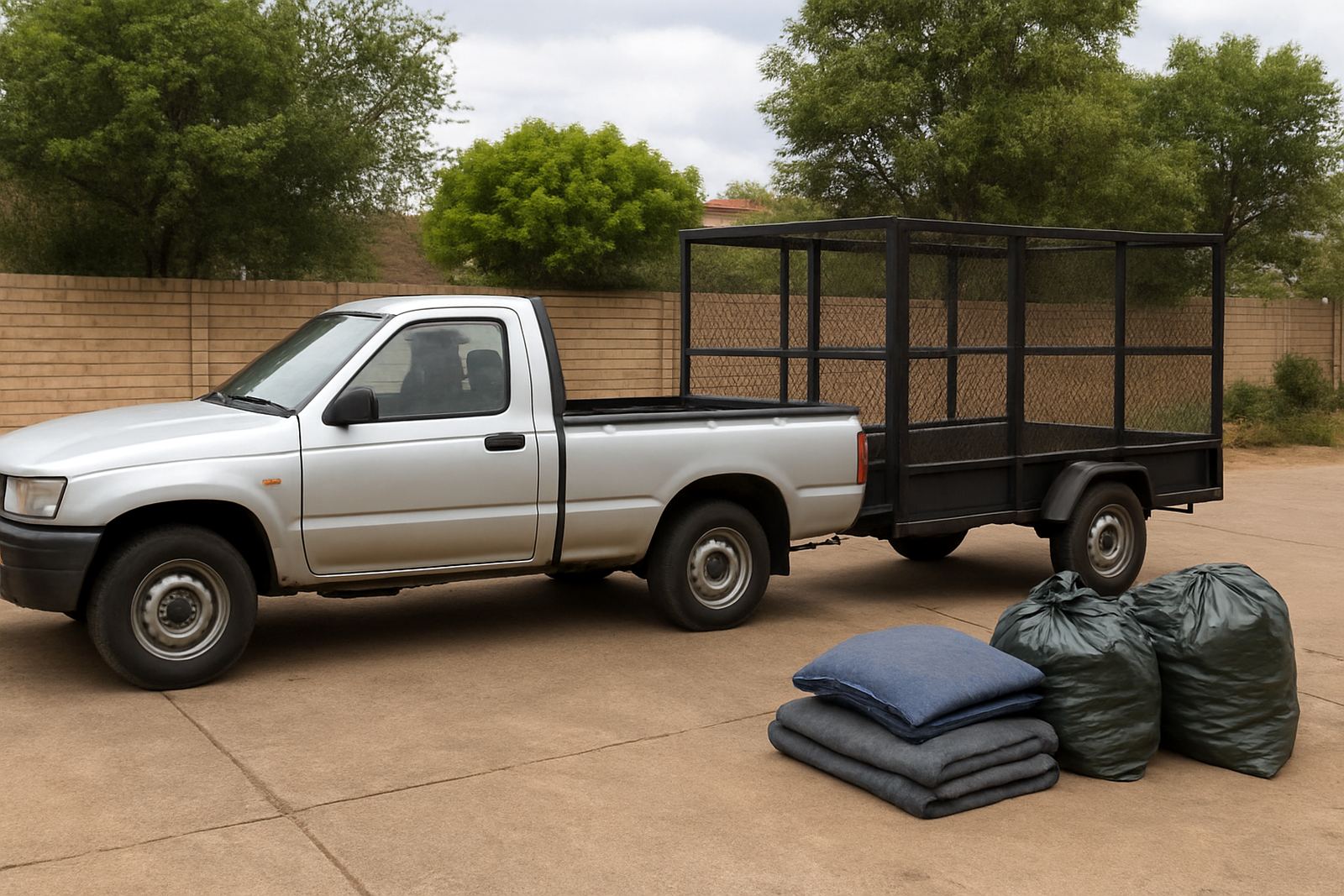
- Single cab: best for heavier loading, trades and local deliveries
- Extended cab: useful when you need extra space for tools or a second row for occasional passengers
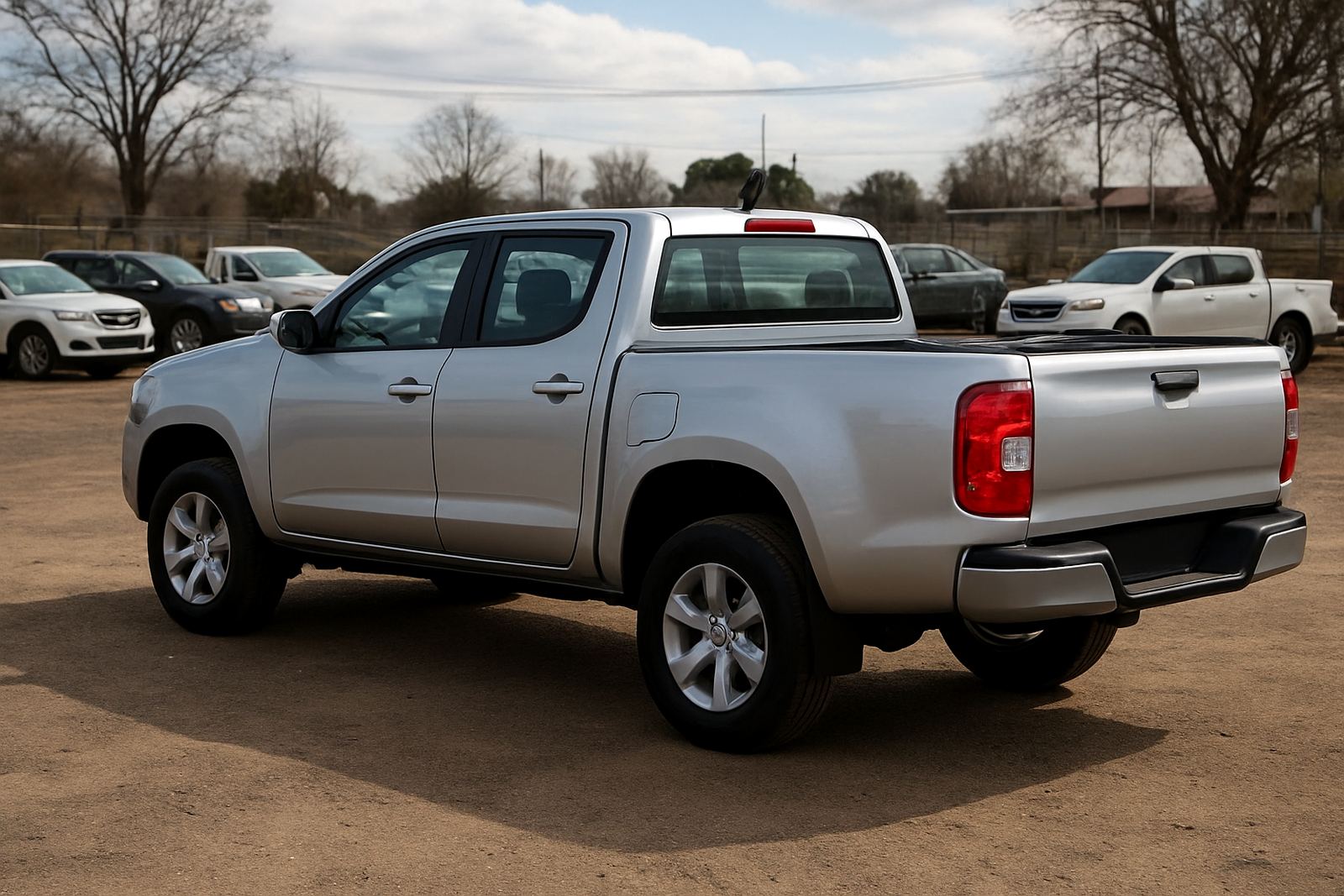
- Double cab: better for family use, site visits and staff transport
- 2.0 to 2.8 diesel: common for torque and better fuel use
- Petrol manual: often simpler for lighter duty or short-distance use
- 4x2 or 4x4: choose 4x4 for farms, rural roads and slippery access tracks
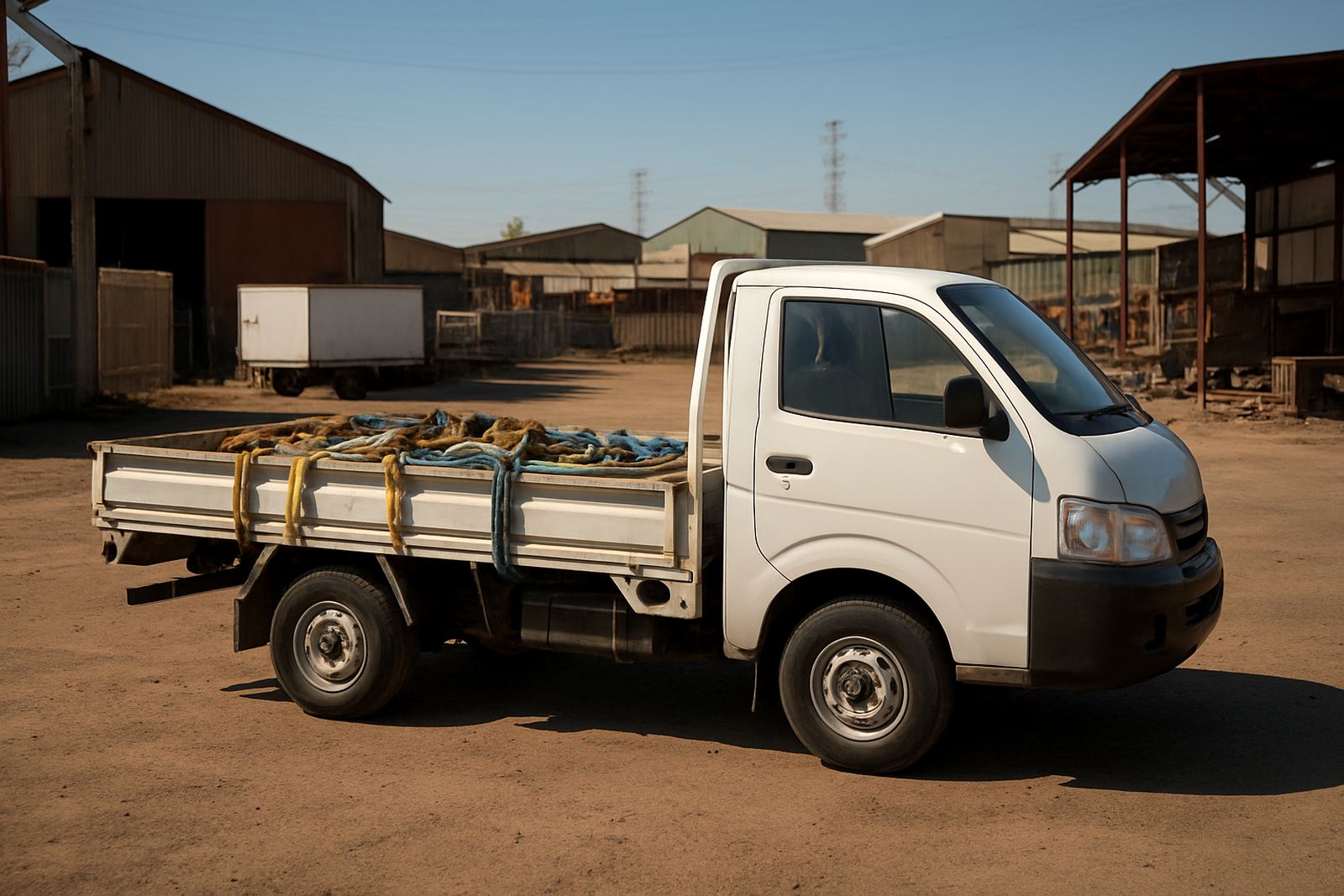
Tray length, payload and towing capacity should be checked against your actual use. A small business moving cartons in Bloemfontein may not need the same setup as a contractor hauling equipment around Durban, so it pays to choose carefully.
Where a manual bakkie suits best
Manual bakkies suit buyers who need a vehicle that can handle mixed work without fuss. In the East Rand and Centurion, they are popular with service firms, gardeners, plumbers, electricians and small suppliers who move between jobs all day. In Polokwane and rural routes around Bloemfontein, the lower gearing and driver control can be handy on bad roads and long stretches between fuel stops.
They are also a good fit for private buyers who need something practical for weekend loads, towing, or a project vehicle that can still double as transport. In coastal areas like Durban, condition checks matter more because humidity and salt air can speed up corrosion on trays, hinges and underside parts. A clean body is good, but the frame and load box need equal attention.
If you are buying for business, think about access at the places where the bakkie will work. Tight parking, loading ramps, security gates and municipal delivery rules can all affect whether a long-wheelbase single cab or a shorter double cab is the better match.
Checks to make before you reserve a bakkie or trailer
Before you commit, check the basics with care. A manual bakkie can look tidy in photos but still need attention on clutch wear, gearbox syncs, transfer case function and tray condition. At Buy Those, our pre-sale inspections and condition reporting help buyers see the real state of the vehicle before they arrange collection or delivery.
- Service history and timing on major work
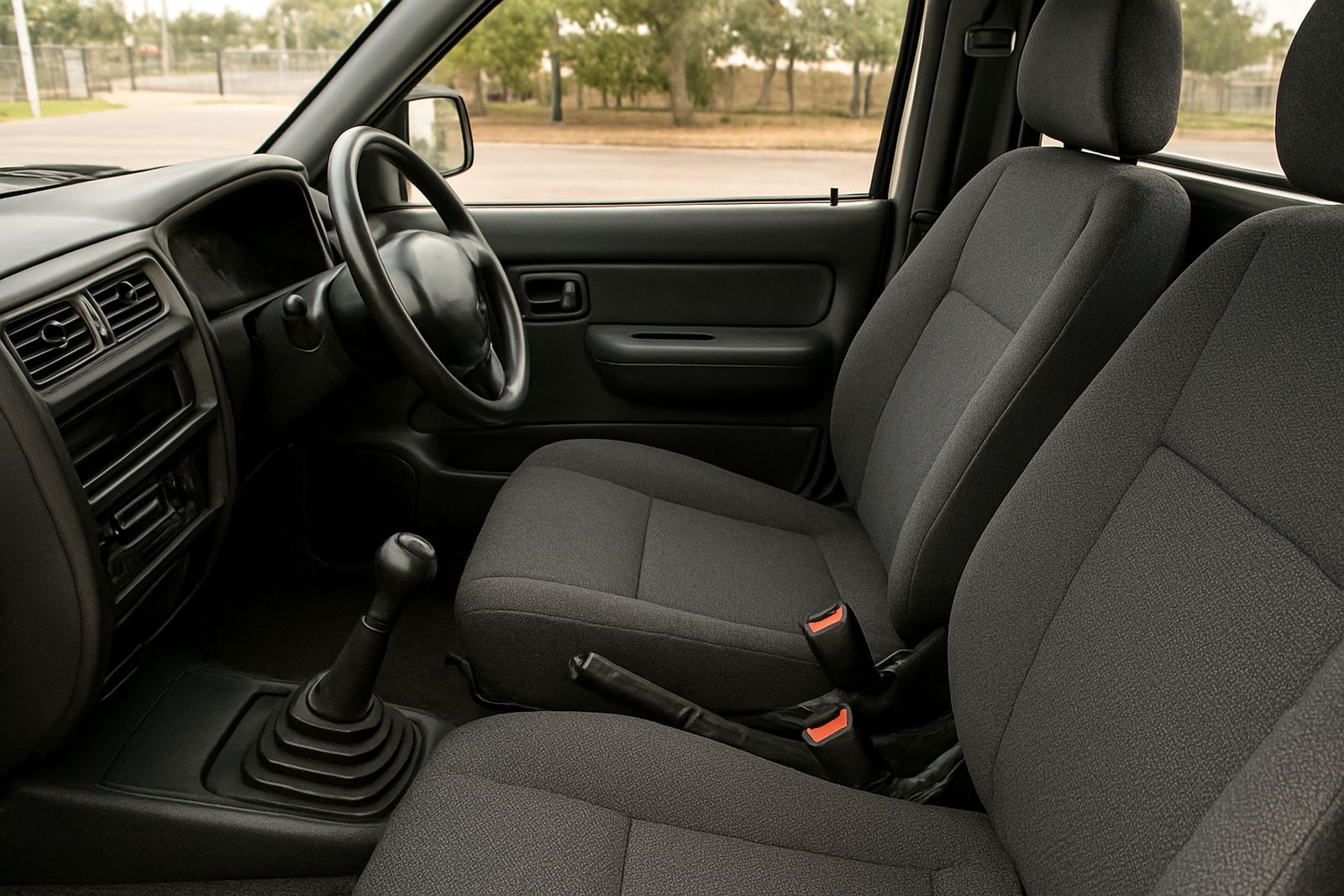
- Clutch bite point, gear selection and any grinding
- Engine starting, idle quality and smoke under load
- Tyres, brakes and steering play
- Chassis, tray and cab rust, especially near coastal or high-humidity areas
- VIN, registration details and whether the paperwork matches the listing
Ask for photos of the underside, load bed, door bottoms and wheel arches. If the bakkie has been used on a site or farm, look for bent tie-down points, cracked mirrors and worn seats. These details tell you far more than a quick polished exterior.
Installation, power and towing considerations
Manual bakkies do not need special installation in the way some fitted equipment does, but the way you use them can affect what you should order. If you plan to add a canopy, tow bar, tool storage or a load liner, make sure the base vehicle can handle the extra weight. The gearbox and clutch should be suitable for the load, not just the engine size.
Power needs are usually simple. Most manual bakkies run from standard vehicle charging systems and do not need extra electrical setup unless you are adding work lights, a fridge, a compressor or a tracking unit. For trades and delivery use, battery health matters when the vehicle sits through power cuts or overnight parking with accessories attached. A weak battery can turn a good deal into a delay.
If towing is part of the plan, check the rated braked towing capacity and whether the trailer match is legal for the vehicle. That includes the tow bar rating, trailer registration and lighting setup. On steep roads or wet surfaces, the driver’s control in a manual bakkie can help, but only if the rest of the setup is in order.
Care, servicing and running costs
Manual bakkies usually reward basic, regular care. Oil changes on time, clutch checks, gearbox oil where required and proper brake service can keep a used bakkie working for years. If the vehicle is working hard in Johannesburg traffic or making repeated runs between Pretoria and Kempton Park, it will need closer attention than a weekend-use unit.
Watch for the signs of tired use: slipping clutch, vibration on take-off, hard gear changes, overheating, uneven tyre wear and weak suspension bushes. A small issue left too long can become expensive, so buyers should budget for servicing soon after purchase if the history is incomplete or the mileage is high. That is just good sense, not a sign the vehicle is bad.
For sellers, a clean service file, fresh photos and a honest condition note can make a manual bakkie easier to move. Our listings, photo packages and buyer matching help present the vehicle properly, while our seller support keeps the process practical from first enquiry to handover.
Key facts
| Gearbox | Manual transmission |
|---|---|
| Body styles | Single cab, extended cab, double cab |
| Drive options | 4x2 and 4x4 |
| Typical engine range | 2.0L to 2.8L diesel, with petrol options |
| Use cases | Trades, farming, delivery, towing and private use |
| Service focus | Clutch, gearbox oil, brakes, tyres and tray condition |