What a panelled load bakkie does on the road
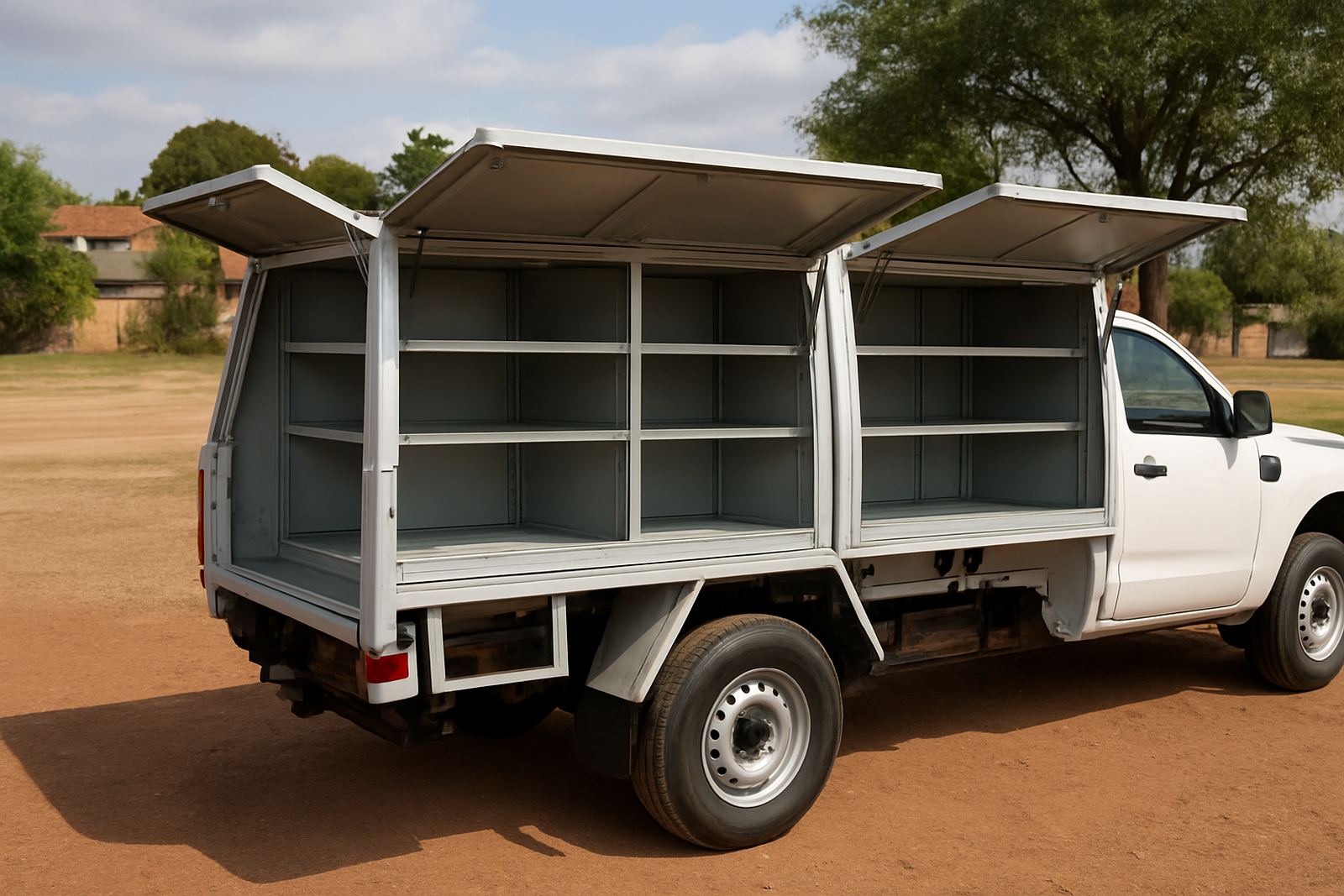
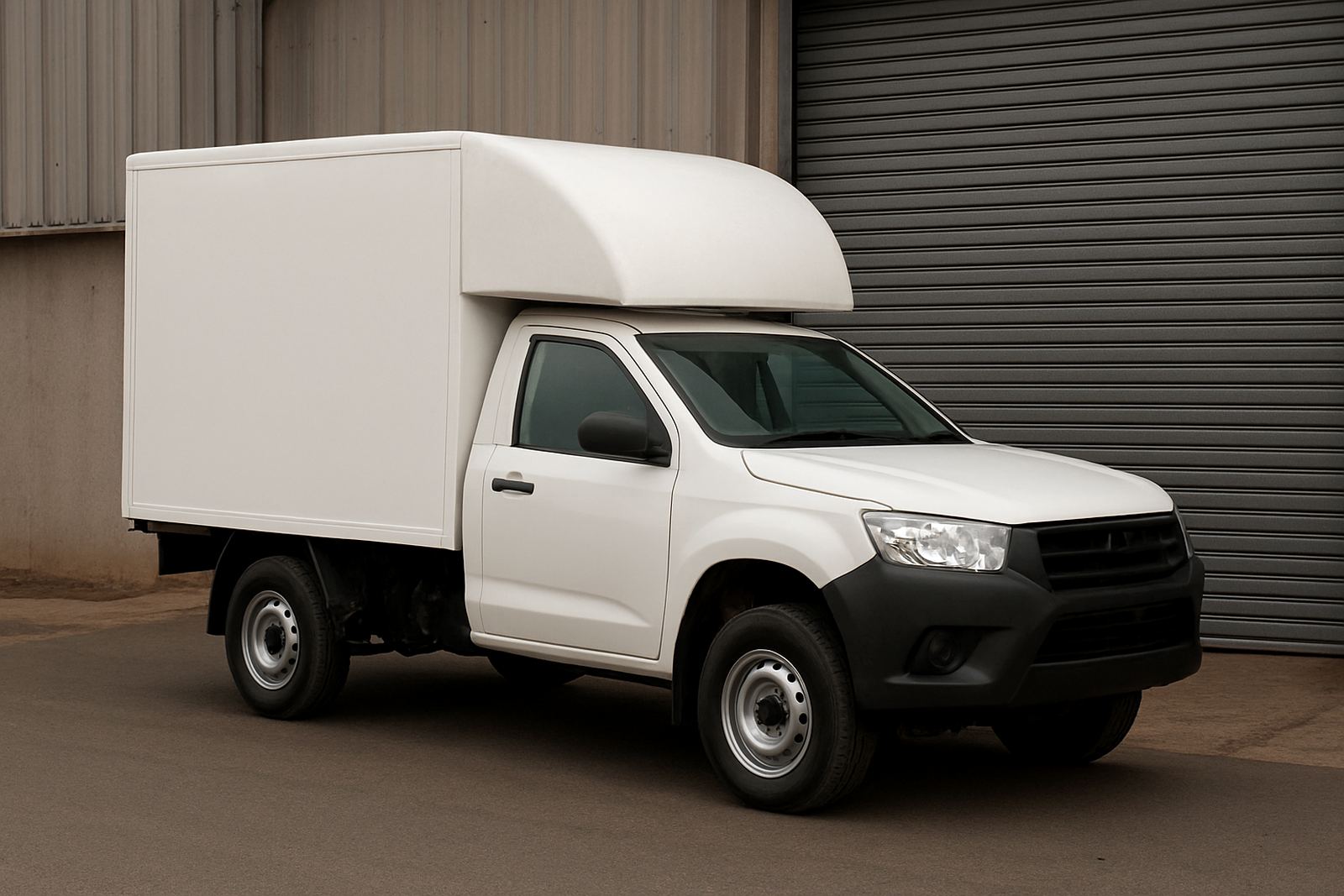
A panelled load bakkie is a bakkie fitted with enclosed side panels and a lockable rear access point, so the cargo stays out of sight and protected from rain, dust and casual theft. It is a practical option for stock movement, service gear, retail deliveries and light commercial work where a normal open tray leaves goods too exposed.
Most setups keep the original chassis and cab, then add a sealed load body behind the cab. That means you still get bakkie handling, easier parking and better fuel use than a larger truck, but with a safer load space for boxed items, tools, parts and packaged goods. In SA conditions, that protection matters on gravel roads, coastal humidity and during sudden summer storms.
Size options and layout choices that affect daily use
Panelled load bakkies are usually built around the base vehicle size, but the body dimensions and internal finish make a big difference. Shorter bodies are easier for city work and tight loading bays, while longer bodies suit bulkier stock and delivery runs. Door layout also matters, especially if you do frequent drop-offs in busy areas or small business parks.
- Body lengths commonly suit compact, mid-size and long-wheelbase bakkies.
- Internal lining can be plain steel, coated panels or insulated finish for more sensitive goods.
- Access options may include rear doors, side doors, or a combination for faster loading.
- Roof height can be kept low for stability, or increased for taller cartons and equipment.
- Some units include tie-down rails, shelving brackets or partition points for organised loading.
If your work is mostly urban, a neat, lower profile body is often easier to live with. If you move larger cartons or mixed stock, ask for extra internal height and a wider rear opening so the load does not get damaged during hand loading.
Where panelled load bakkies suit best in South Africa
This vehicle type suits trades, small suppliers, wholesalers, event crews and anyone moving paid stock that needs to stay secure between stops. It is common for routes around East Rand industrial areas, Centurion business parks, CBD deliveries and regional runs to places like Bloemfontein and Durban where weather and security both matter.
They also work well where access is limited. If a yard has tight gates, low canopies or uneven paving, a panelled load bakkie is easier to manoeuvre than a larger box truck. For private sellers, it can also improve resale interest when the body is neat and the load area has a clean service history, not just a hard-working exterior.
- Retail stock delivery
- Tool and equipment transport
- Parts distribution
- Contractor support work
- Secure movement of boxed goods
Fitment, power needs and what to expect on installation
Most panelled load bodies are fitted onto an existing bakkie chassis by a qualified body builder or conversion workshop. The job normally includes mounting points, sealing, rear access hardware and final alignment so the vehicle sits level and the doors close properly. After fitment, the suspension may need checking if the load body changes the weight distribution.
These vehicles do not need fuel gas systems for the load body itself. Power needs are usually limited to optional interior lights, brake lights, indicators or a charging point for work equipment. If you want lighting inside the load area, ask whether the wiring is protected against dust and water ingress, especially for coastal use or dusty routes outside town.
- Confirm chassis weight limits before fitment
- Check that hinges, locks and seals are rated for regular daily use
- Ask whether the body is steel, aluminium or a mixed build
- Make sure any added electrics are fused and properly routed
- Request a final roadworthy and load balance check after installation
Care and servicing to keep the body useful
Like any working vehicle, a panelled load bakkie needs regular checks if you want it to stay reliable. Hinges, locks and seals are the first parts to inspect because they take repeated use and are exposed to dust, rain and vibration. A quick monthly check can prevent rattles, water leaks and door problems later on.
Wash the body after muddy runs or coastal trips so salt and grime do not build up on the edges, floor seams or around fittings. If the load area carries building supplies or wet stock, dry it after use and inspect the floor for rust spots. Small repairs are cheaper if caught early, especially where the vehicle is used every day and cannot sit idle for long. Keep an eye on tyre wear too, because extra body weight can show up there before you notice it in handling.
Checks to make before you reserve a bakkie or trailer
Before ordering, be clear about what you move, how often you load it and where the bakkie will operate. A unit that works well for boxed goods in Johannesburg might not suit rough access roads outside Polokwane or wet coastal deliveries in Durban. The right spec should match the route, the load and the people using it.
- Inside length, width and usable height
- Rear door size and whether side access is needed
- Gross vehicle mass and payload rating
- Lock quality and seal condition
- Floor finish and tie-down points
- Service records, accident history and body condition
If you are buying through a private seller or dealer, ask for clear photos of the load area, door edges, underbody and suspension. A neat body with poor mounting is not a good buy. It should sit straight, open cleanly and handle daily use without constant repairs. That is the difference between a useful working vehicle and one that costs you time every week.
Key facts
| Body type | Enclosed panelled load body fitted to a bakkie chassis |
|---|---|
| Typical use | Secure transport of stock, tools, parcels and light commercial goods |
| Common sizes | Compact, mid-size and long-wheelbase configurations |
| Access options | Rear doors only or rear plus side access |
| Power needs | Usually none, optional interior lighting or accessory wiring |
| Typical payload | Depends on base bakkie, body build and suspension setup |