What A Flatbed Bakkie Is And Why It Works
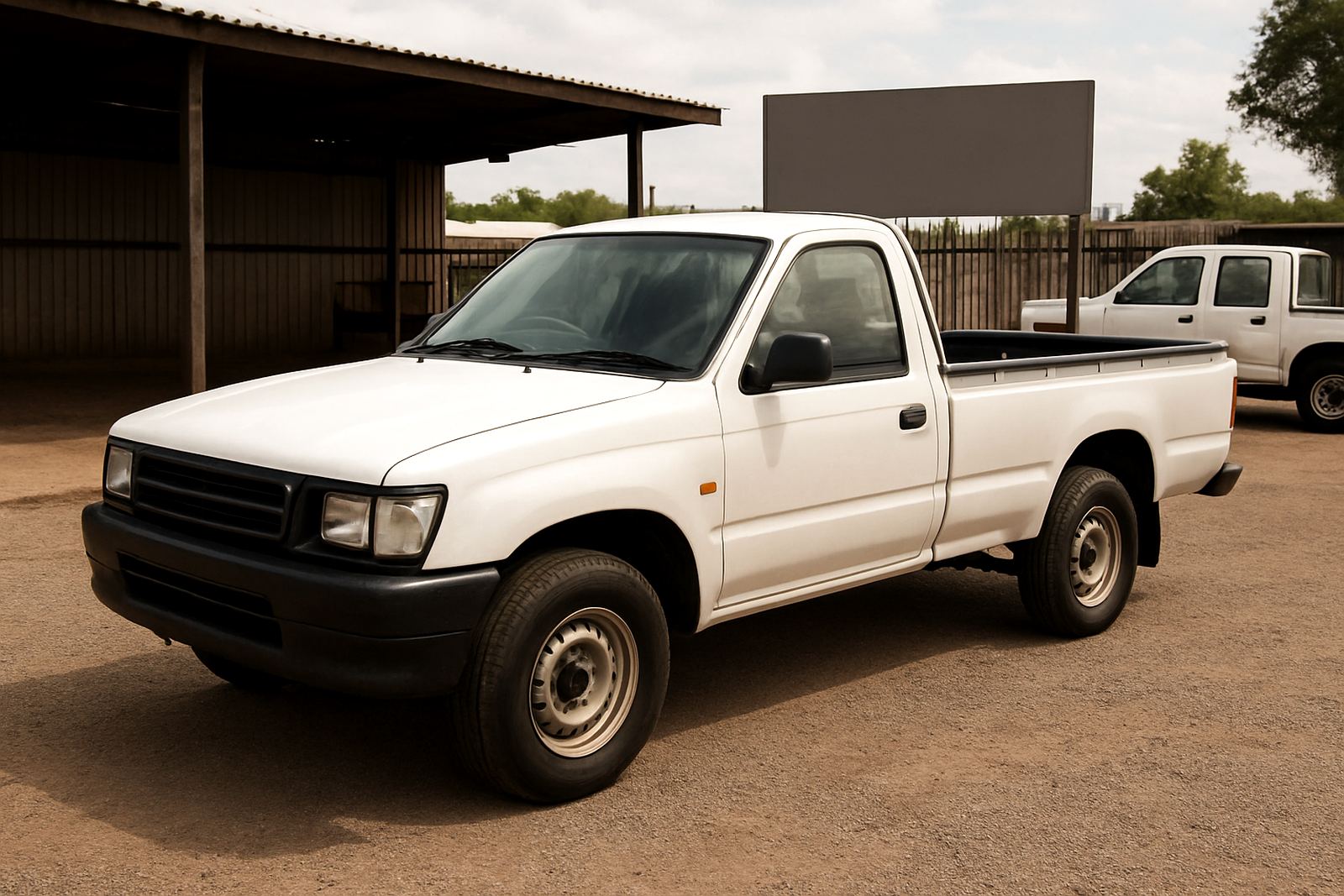
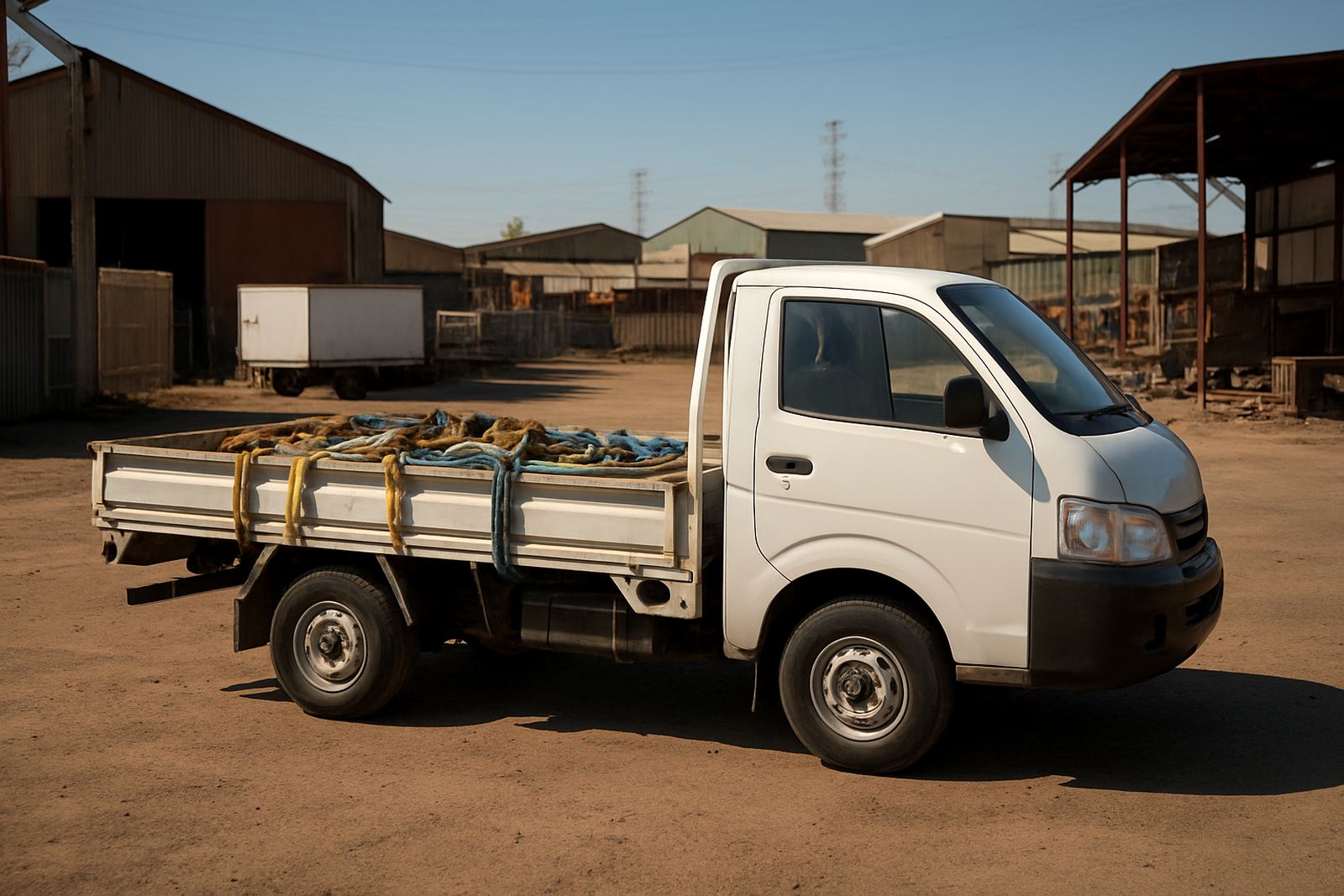
A flatbed bakkie is a light commercial vehicle with a flat rear loading area instead of a standard enclosed load box. That open platform makes it easier to handle awkward shapes, longer lengths and items that do not fit neatly under a canopy or through a tailgate. It is a practical option for builders, couriers, farmers, workshop owners and anyone moving equipment between sites in Johannesburg, Pretoria, Kempton Park or out to Durban and Bloemfontein.
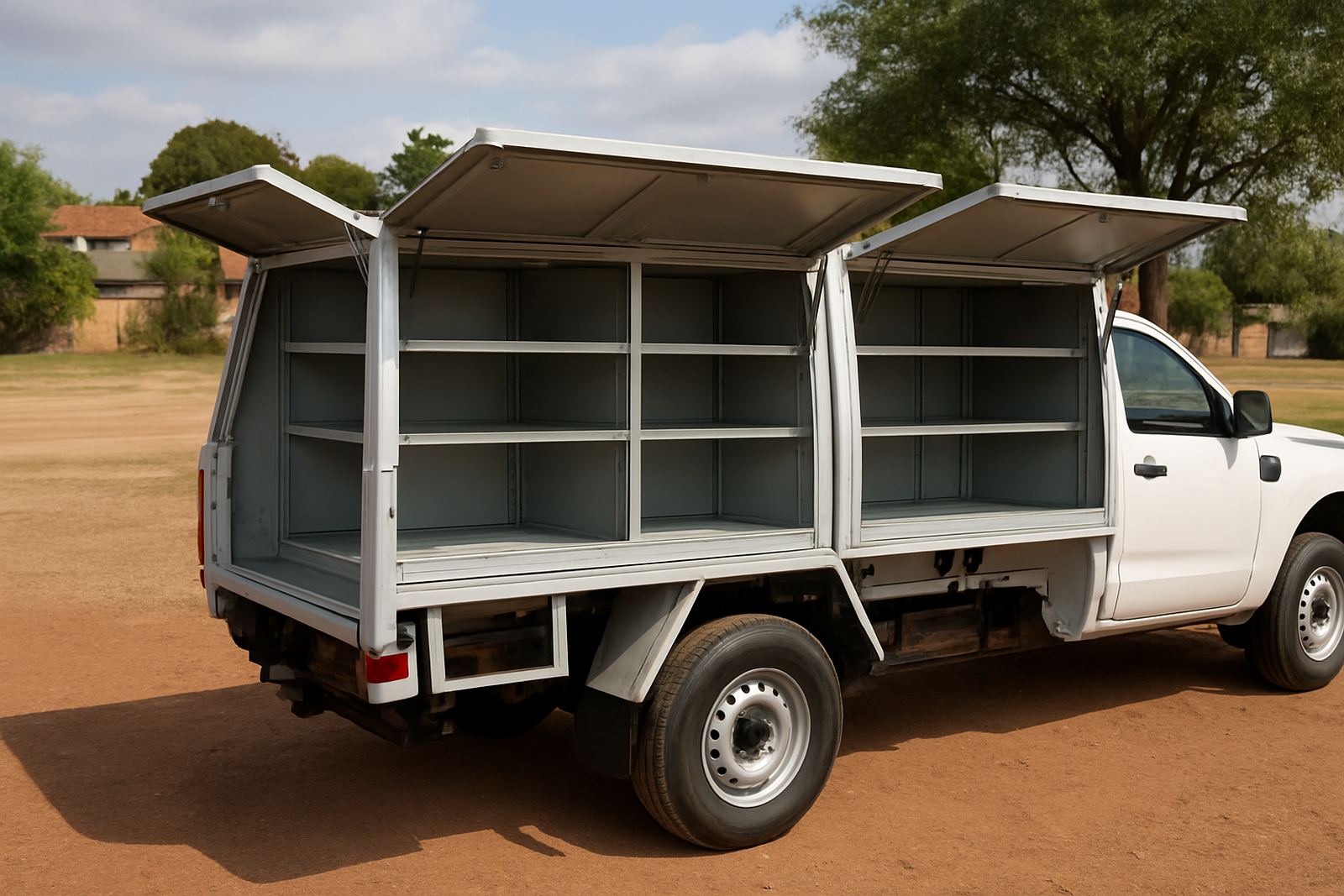
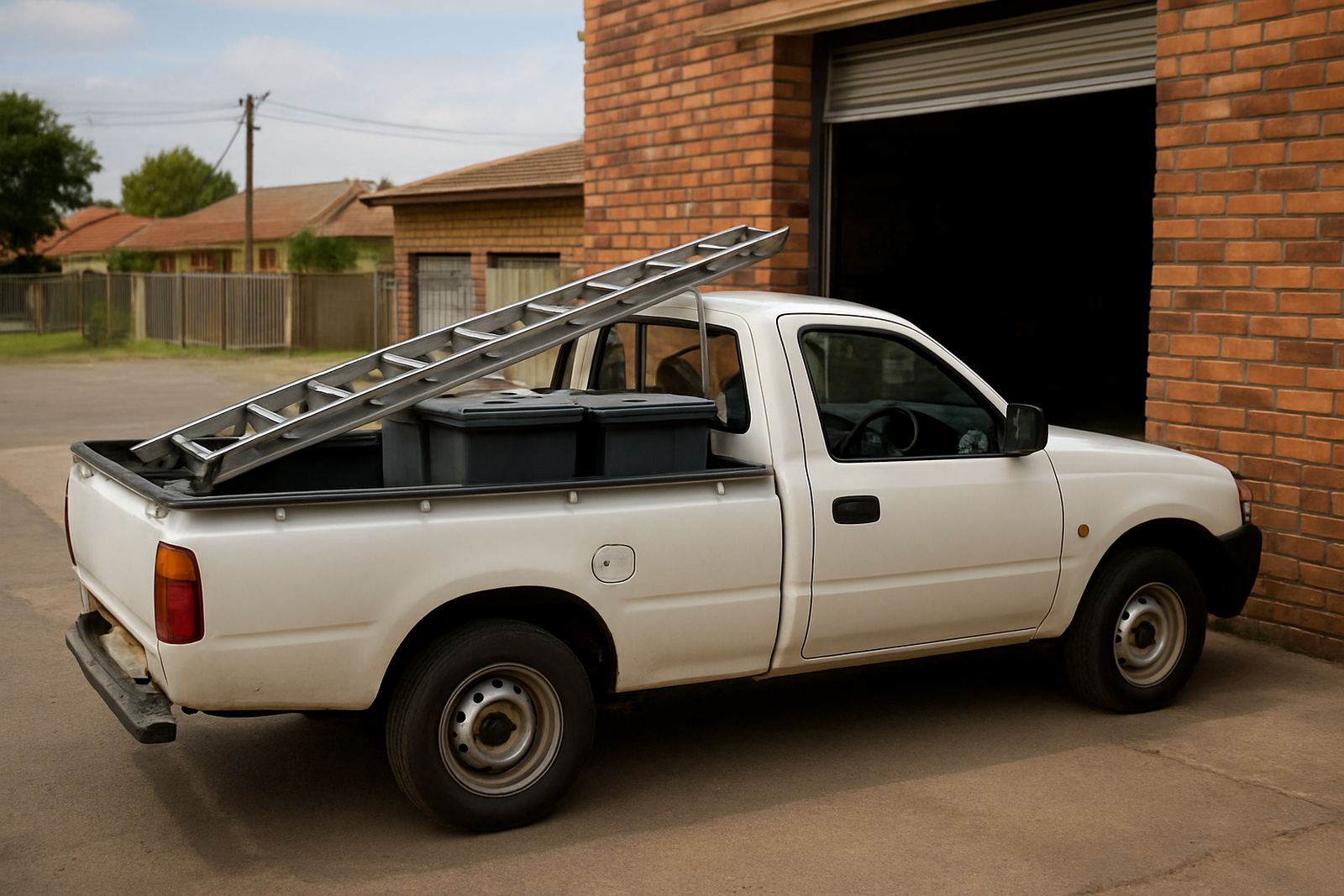
Most flatbed conversions keep the cab and running gear of the base bakkie, then replace the rear load body with a steel or alloy tray. You may see side gates, removable headboards, tie-down points and under-tray toolboxes. Some units are fitted with ladder racks or higher sides for loose cargo. For buyers, the main advantage is simple loading and better flexibility when the load changes from day to day.
If you are buying used, the first thing to understand is how the tray was built and how it was used. A flatbed that carried light parcels is different from one that hauled paving, compressors or steel sections every day. In Gauteng traffic and on long routes to the coast, that history matters because it affects suspension wear, chassis stress and the condition of the rear floor.
Sizes, Tray Layouts And Load Ratings To Compare
Flatbed bakkies come in several practical tray lengths and widths. Shorter trays are common for city delivery work, while longer trays suit builders, fabricators and agricultural buyers who need more deck space. A typical tray may run from about 2.2 metres to 3.0 metres long, with widths around 1.8 metres to 2.1 metres depending on the build and the wheel arch layout. Height at the side gates also varies, usually from 300 mm to 500 mm.
The right size depends on what you carry most often. A compact tray can be easier to park in Kempton Park industrial areas and tighter retail yards, while a longer flatbed may suit poles, sheets, crates or palletised stock. Buyers should also check payload. The tray size alone does not tell you how much weight the bakkie can legally carry, and overloading can damage springs, tyres and brakes.
- Short tray: better for local deliveries, tools and lighter commercial use.
- Medium tray: a good all-round choice for mixed loads and daily work.
- Long tray: useful for timber, steel, ladders and bulkier equipment.
- Reinforced tray: suited to heavier cargo and frequent loading with forklifts or cranes.
When comparing options, ask for the gross vehicle mass, payload estimate and tray construction details. Steel trays are common and handle hard use, while aluminium trays are lighter and can help reduce tare weight. The best choice depends on the load, the route and how often the vehicle stands in the sun or gets washed down after rain or coastal work.
Where Flatbed Bakkies Suit Best
These vehicles suit businesses that move oversized or irregular cargo. That includes hardware suppliers, sign installers, plumbers, electricians, small builders, garden service teams, workshops and dealers who need a practical delivery unit. A flatbed bakkie also works well for private sellers moving household goods, furniture frames, garden materials or equipment to a new site.
In cities like Pretoria and Johannesburg, the open tray is helpful for quick loading at depots and construction sites. In Durban, buyers often look for clean tray finishes and corrosion checks because coastal humidity can affect metalwork, fasteners and underbody components faster than inland conditions. In Polokwane and Bloemfontein, road conditions and long distances make suspension condition and tyre quality especially important.
These bakkies are also suited to businesses that need clear visibility of the load. It is easier to spot movement, strap tension and missing items on an open deck. For municipal work or any vehicle used in busy loading areas, that can save time and reduce claims. If the vehicle is used for public access or site deliveries, check local rules around load overhang, marking and securing cargo properly before dispatch.
- Workshop deliveries and collections
- Steel, timber and pipe transport
- Crates, pallets and equipment moves
- Short haul distribution between branches
- Construction and maintenance support
Installation, Fit-Out And Power Or Gas Needs
Some buyers need a basic tray only, while others want a more specialised setup. Flatbeds can be fitted with mesh sides, removable rails, drop-down gates, load bars, toolboxes and ladder racks. If the vehicle is used for refrigerated boxes, compressors, welders or site lighting, the electrical setup should be inspected carefully. Many work units need an auxiliary battery, heavier cabling or a proper charging arrangement so that accessories do not drain the starter battery, especially during power cuts.
If the bakkie carries gas bottles, check that the mounting is secure and that the bottles are held upright with proper restraint. There should be enough ventilation and no loose fittings near heat sources. For any conversion or additional equipment, the mount points must be strong enough for regular road use and rough loading. A tray that looks neat but has poor brackets or weak crossmembers can cause trouble later.
It is worth checking whether the fitment allows access to lights, number plate mounting and rear reflectors. If the flatbed is used after dark on the N12 or around industrial routes in Kempton Park and the East Rand, the lighting must be visible and in working order. Simple, well-fitted extras are often better than complicated add-ons that are hard to repair.
Care, Servicing And Everyday Checks
Used flatbed bakkies need the same mechanical care as any other working vehicle, plus attention to the tray and fittings. Check the chassis for cracks, rust and signs of heavy impact. Look underneath for bent members, damaged spring hangers and oil leaks. On older units, corrosion may appear around bolt holes, welded joints and tray brackets, especially if the vehicle worked near the coast or was washed down regularly after building site use.
Tyres should match the load and the axle weight. Uneven wear may point to alignment problems, overloading or worn suspension parts. Brakes, steering and clutch feel should be tested under real conditions, not only while idling. A vehicle that has spent years in stop-start deliveries may have more wear on the drivetrain than its odometer suggests.
- Inspect the tray floor for soft spots, rust and patch repairs.
- Check all tie-down points for cracks or loose welds.
- Test tail lamps, indicators and brake lights before collection.
- Look at the rear suspension for sagging or uneven stance.
- Service fluids, belts and filters on schedule to reduce downtime.
Cleaning matters too. Dust, cement, fertiliser and road salt can shorten the life of the tray and fasteners if left on the metal. A quick wash after use, plus regular touch-up paint on stone chips, helps the vehicle keep its value and stay presentable for resale.
Checks To Make Before You Reserve A Budget Bakkie
Before you buy, confirm the tray dimensions, payload rating, tyre condition and overall service history. Ask whether the bakkie was originally built as a flatbed or converted later, because conversion quality can vary a lot. A neat finish does not always mean the structure is strong enough for regular work. Check for clear photos of the cab, tray, underbody, load gates and tyres, and ask for condition notes on any rust, dents or repairs.
It also helps to match the vehicle to your route and your cargo. A buyer moving crates across town may need a different setup from someone carrying steel sections between depots in Pretoria and Durban. If you expect regular long-distance travel, ask about engine health, gearbox behaviour and fuel use. If the unit will stand outside, look for signs of sun damage on trims, seals and wiring.
Finally, think about delivery and collection. Some buyers need the vehicle moved from Spartan, Kempton Park to another province, while others want to view it locally first. Good planning reduces delays and keeps the handover straightforward. When the paperwork, condition and load needs all line up, a flatbed bakkie becomes a dependable working asset, not just another vehicle on the yard.
Key facts
| Tray length | Approx. 2.2 m to 3.0 m depending on build |
|---|---|
| Tray width | Approx. 1.8 m to 2.1 m external width |
| Side gate height | Approx. 300 mm to 500 mm |
| Load type | Oversized goods, crates, tools, timber, steel and equipment |
| Body material | Commonly steel, with some aluminium tray options |
| Typical use | Delivery work, workshop support, construction and private hauling |