Built For Daily Farm Work
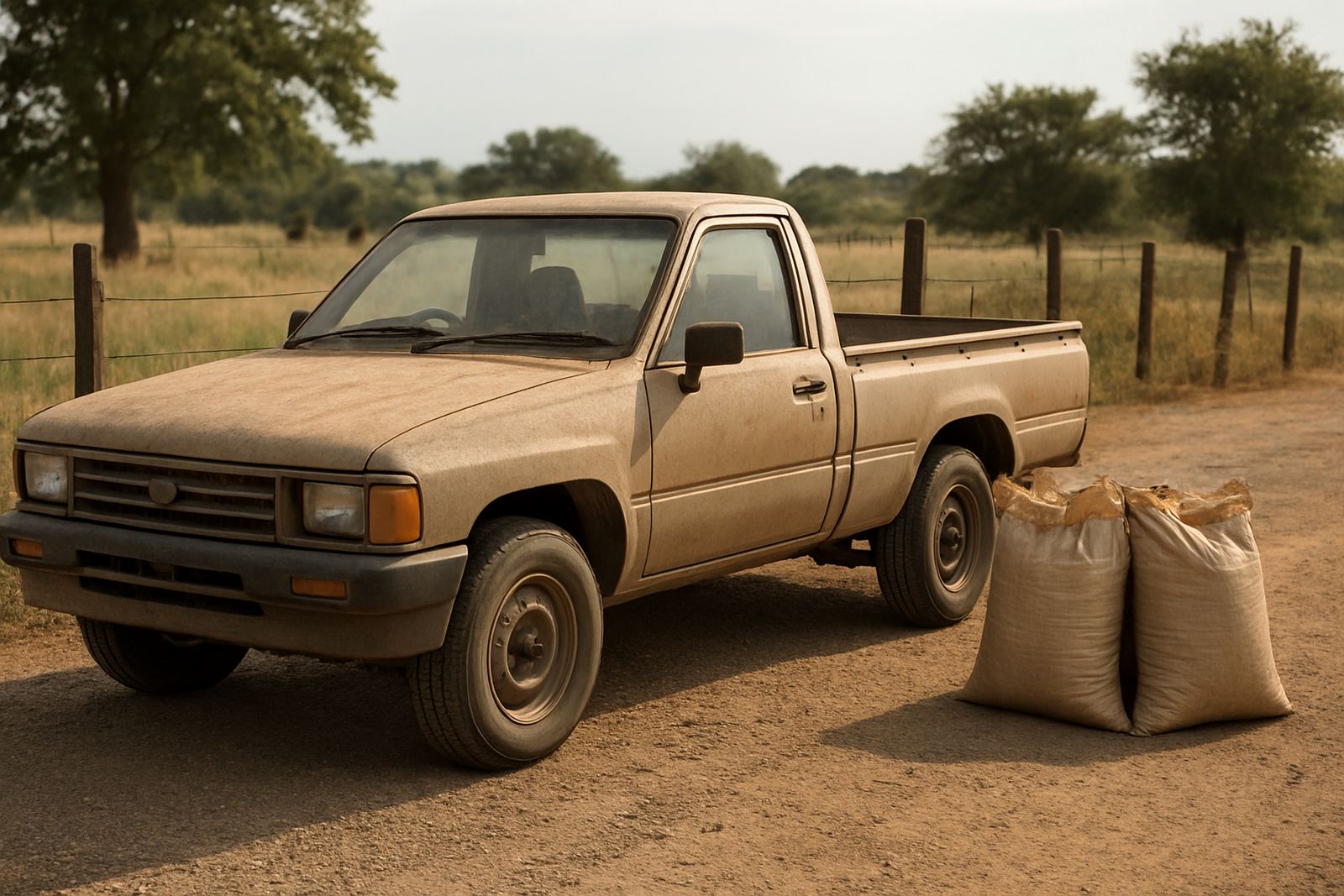
A farm bakkie needs to do more than just move people from one gate to the next. It should carry feed bags, wire rolls, gate posts, drums, tools and spare parts without complaining, and it must handle dirt roads, dust, mud and uneven ground. When you are working between a yard, shed and outlying camps, a simple, well-kept used bakkie often makes better sense than a new one because the running costs are easier to manage and the value for money is stronger.
Used farm bakkies on Buy Those are selected with South African working conditions in mind. That means checking the loading area, suspension wear, chassis condition, tyres and general signs of hard labour. A clean-looking bakkie is not always a good bakkie, so the real value is in how it has been used and maintained. For farms near Pretoria, Polokwane, Bloemfontein or Durban, we also consider heat, dust, coastal humidity and long-distance travel when matching a vehicle to the job.
Sizes, Cab Styles And Load Options
Farm bakkies are available in a few practical setups, and the right choice depends on how many people travel with the load. Single cab models usually give the best load space, while extended cab and double cab options suit farms that need to carry workers as well as stock feed or equipment. Tray length, payload and towing ability all matter, especially if you move trailers, pumps or small implements often.
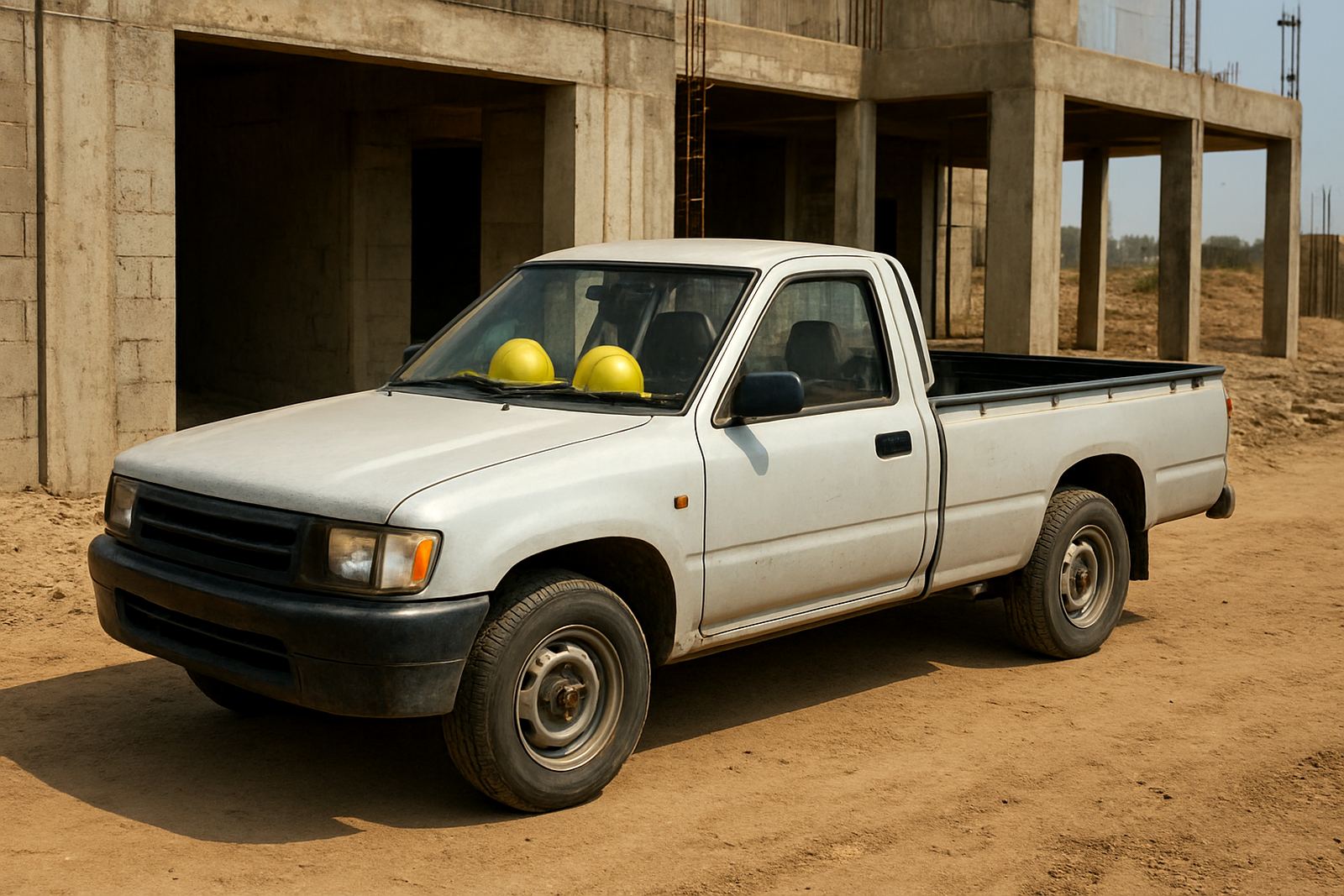
- Single cab: best for maximum load area and regular heavy carrying
- Extended cab: useful when you need a little extra cabin space and some load room
- Double cab: suitable for mixed use, staff transport and lighter farm duties
- 2.2 m to 3.0 m load areas: common options depending on body style and fitment
- Manual or automatic: both can work, but manual is often preferred for simple maintenance and control on rough ground
Many buyers also look for canopy fitment, tow bar preparation, mud terrain tyres and a service history that shows regular use, not neglect. A bakkie that was used on gravel roads but serviced on time can be a strong buy.
What Suits The Farm And The Route
Not every farm bakkie is suited to every property. If the work is mainly within a yard and short gravel roads, a lighter setup may be enough. If you travel long distances between farms, stock agents and supply yards, you may need better fuel economy, stronger cooling and a more comfortable cab. In hotter areas such as Limpopo and the Free State, overheating history matters. In coastal regions like Durban and surrounds, rust checks are important on chassis lines, brackets and underbody areas.
These vehicles also suit contractors, smallholdings and rural businesses that need one vehicle to handle a bit of everything. A good farm bakkie can carry fencing supplies in the morning and still take a farmer, worker or buyer to inspect stock in the afternoon, which saves time and fuel.
- Feed runs: load area and payload are important
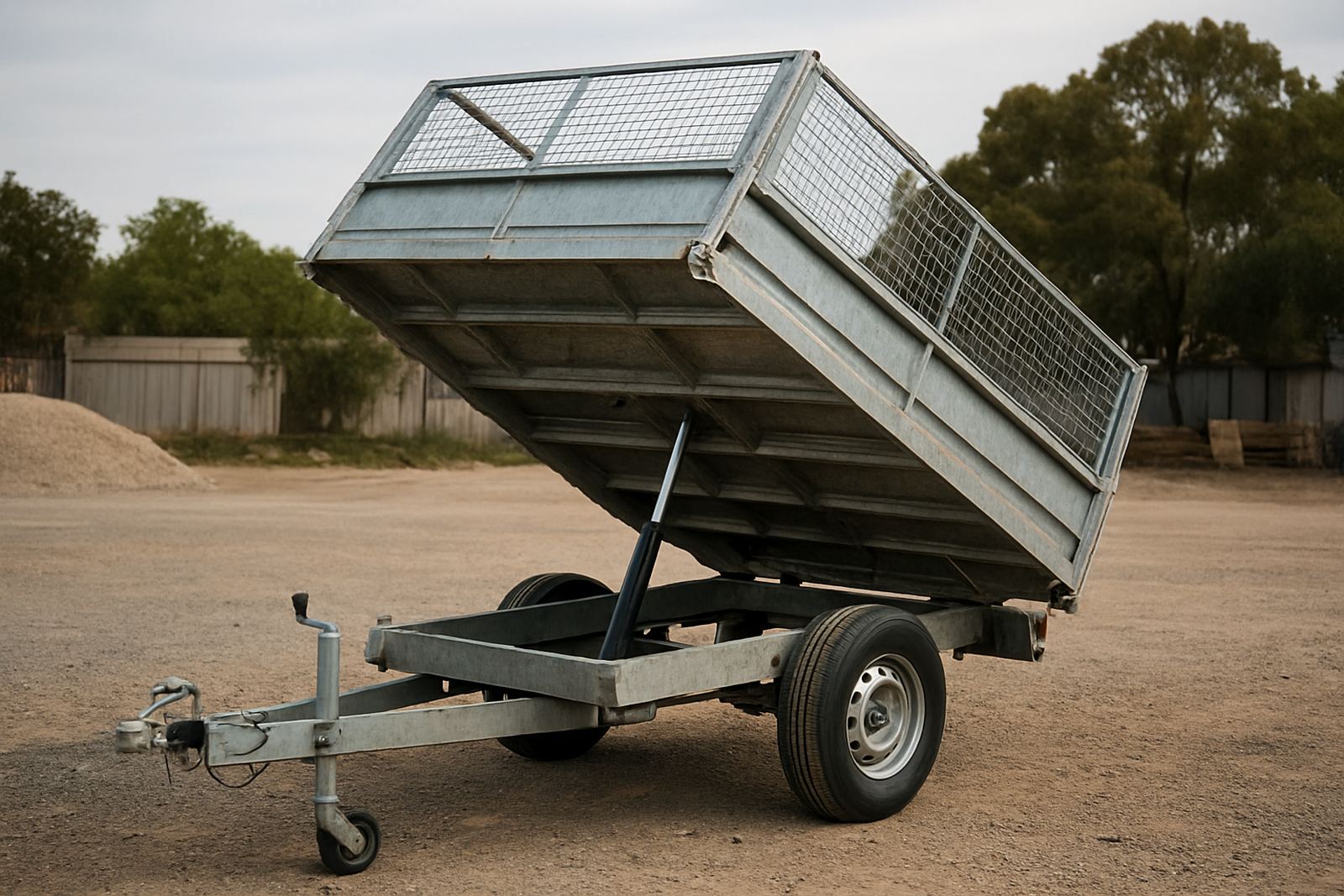
- Fence repairs: look for tray strength and tow rating
- General livestock use: easy access, durable seat trim and practical cabin space
- Delivery work: fuel use and reliability count on longer routes
Pre-Sale Checks And Inspection Points
Before any farm bakkie changes hands, the inspection should go beyond paint and polish. We look at the engine start, idle quality, gearbox feel, clutch wear, braking performance and steering play. A proper check should also include the suspension, wheel bearings, shocks, battery condition and any warning signs from a hard life on uneven roads. If a bakkie has been carrying overloaded trays or pulling trailers often, wear can show in the rear springs and hitch area.
When ordering through Buy Those, ask for condition reporting that makes the important points clear. That includes service intervals, visible damage, accident repairs, tyre age, spare wheel condition and whether there are signs of oil leaks or diesel seepage. It is better to know about a small issue up front than to discover it after collection, because farm work usually starts immediately and there is little time for surprises.
- Cold start and smoke on ignition
- Brake feel and stopping distance
- Tyre tread and sidewall cracks
- Load area dents, rust and tailgate wear
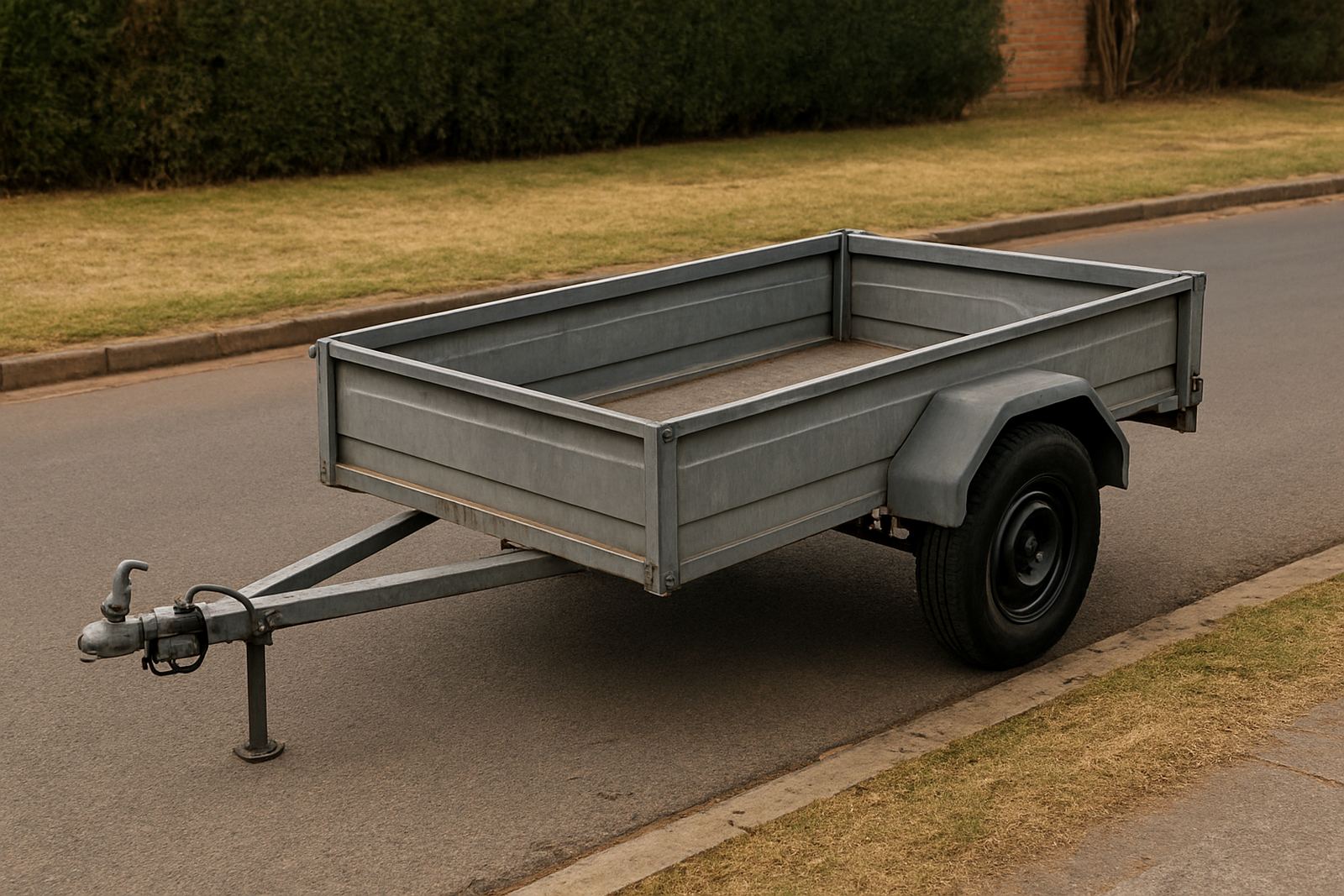
- Tow bar fitment and electrics for trailers
Power, Fuel And Practical Fitment Needs
Most farm bakkies do not need special power supply or gas setup, which keeps ownership straightforward. The key requirement is a battery and charging system that are in good order, especially if the vehicle stands for a day or two between use. If the bakkie will run auxiliary lights, a fridge or a small pump during livestock work, then the electrical system should be checked for proper wiring and safe battery capacity. In areas with power cuts, a healthy battery matters more than people think, because workshop charging and early morning starts can be affected.
Fuel type and economy should match the work pattern. Diesel is often chosen for torque and long distance use, while petrol can suit lighter duty and lower annual mileage. If the bakkie will tow regularly, check the manufacturer-rated tow capacity and make sure the clutch or automatic gearbox is suited to that sort of work. A well matched farm bakkie will save fuel and cut wear on the drivetrain, which helps long term running costs.
Care, Servicing And Keeping It Work Ready
Farm bakkies last longer when they are washed down often, serviced on time and kept out of standing water where possible. Dust and mud are hard on filters, hinges, brakes and electrics. A quick rinse after wet work and a check under the tray can prevent small problems from growing. If the vehicle works near chemicals, fertiliser or animal waste, cleaning becomes even more important because corrosion can start fast, specially on older used units.
Regular servicing should include oil changes, air filter replacement, coolant checks and inspection of the suspension. Tyre pressures should be checked before long dirt road trips and before towing. Keep the load balanced, avoid overloading the rear, and listen for new noises after rough travel. A bakkie that is cared for will stay safer and will usually hold its value better when it is time to sell again.
- Wash off mud and fertiliser residue after use
- Check tyre pressure and tread before long trips
- Keep a record of services and repairs
- Inspect lights, wipers and tow wiring monthly
- Grease hinges and latch points where needed
How Buy Those Helps You Find The Right One
We work with private sellers and dealers across Johannesburg, Pretoria, East Rand, Centurion, Polokwane, Bloemfontein and Durban, so buyers can compare a proper range of used farm bakkies without wasting time on unsuitable options. Our team in Spartan, Kempton Park handles listings, inspections, buyer matching and delivery arrangements, which helps keep the process practical from first enquiry to handover.
If you are buying for a farm, a smallholding or a rural business, send through your requirements on the enquiry form and we will help narrow the search by cab style, load size, towing need and budget. Sibusiso Mthembu leads the business, with support from Zama Modise, Sarel Terblanche, Kopano Gxowa, Morne Botha, Andiswa Kekana and Nompumelelo Sekhukhune. That means the questions get handled by people who understand used vehicles, not just adverts.
For many buyers, the right farm bakkie is the one that starts every morning, carries what it should and keeps going over rough roads without drama. That is what we aim to match, with honest condition details and support that saves time.
Key facts
| Body styles | Single cab, extended cab and double cab |
|---|---|
| Typical load area | About 2.2 m to 3.0 m depending on model |
| Use case | Feed runs, fencing supplies, tools, towing and rural transport |
| Transmission options | Manual or automatic |
| Drive options | 2x4 and selected 4x4 setups |
| Inspection focus | Engine, suspension, tray condition, towing gear and rust checks |