What a single axle trailer is and why it suits lighter loads
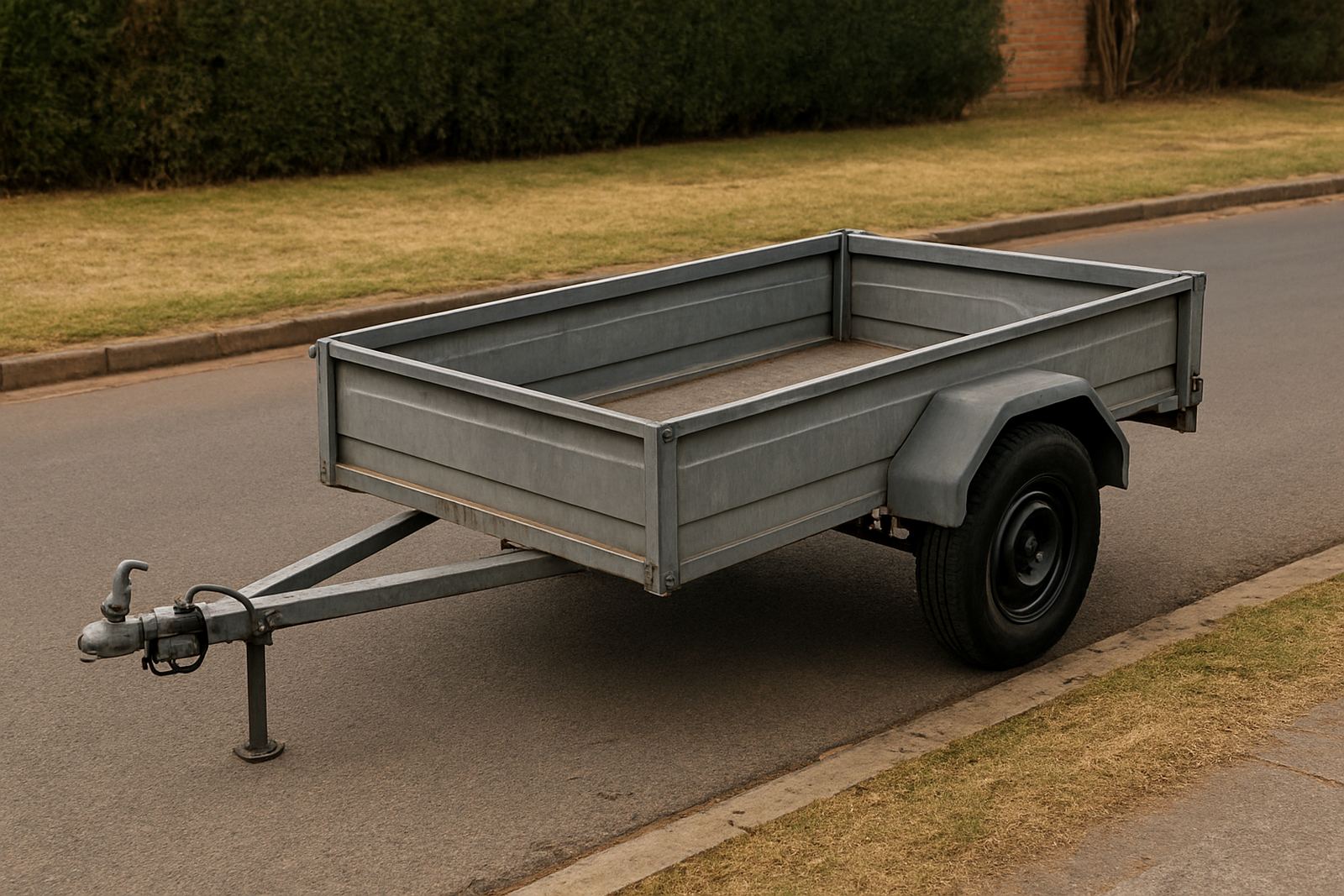
A single axle trailer has one axle and two wheels, which keeps it lighter, simpler and easier to move around than a tandem axle unit. That makes it a practical choice for garden refuse, general deliveries, small tools, building material, market stock and household runs where the load stays within sensible limits. For many buyers in Kempton Park, Johannesburg and Pretoria, it is the first trailer that makes daily towing manageable without needing a bigger bakkie setup.
Because there is less running gear under the chassis, a single axle trailer is often easier to maintain and cheaper to put back into service after standing for a while. It also tends to be lighter on fuel, and easier to reverse into tight yards, especially on older industrial sites or residential erven with narrow entrances. If you only need to move moderate loads now and then, it is often the better fit than a larger trailer that is more than you need.
- Good for light to medium loads
- Easy to couple and reverse
- Usually lower running costs
- Suitable for private and business use
Common sizes, load ratings and trailer options
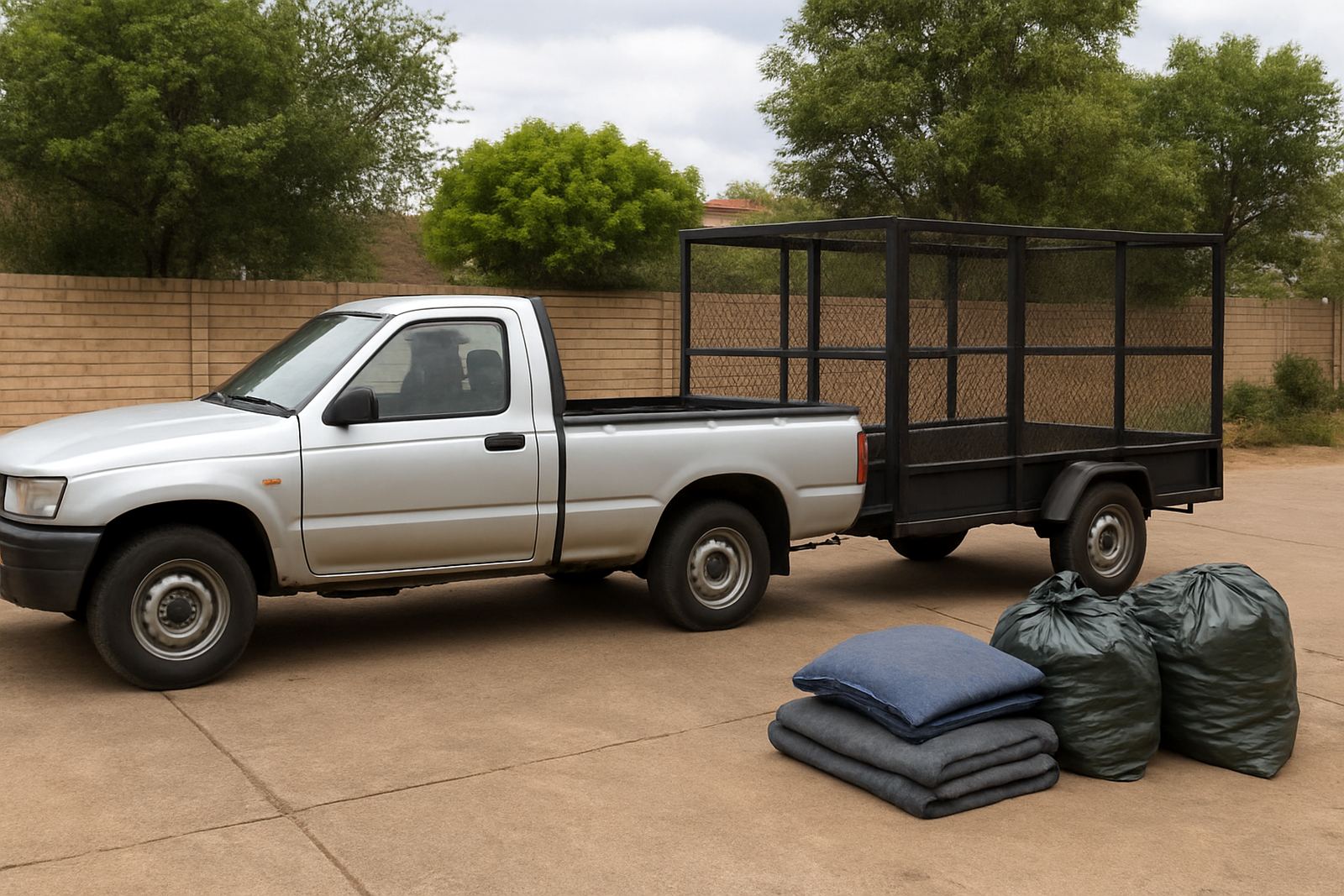
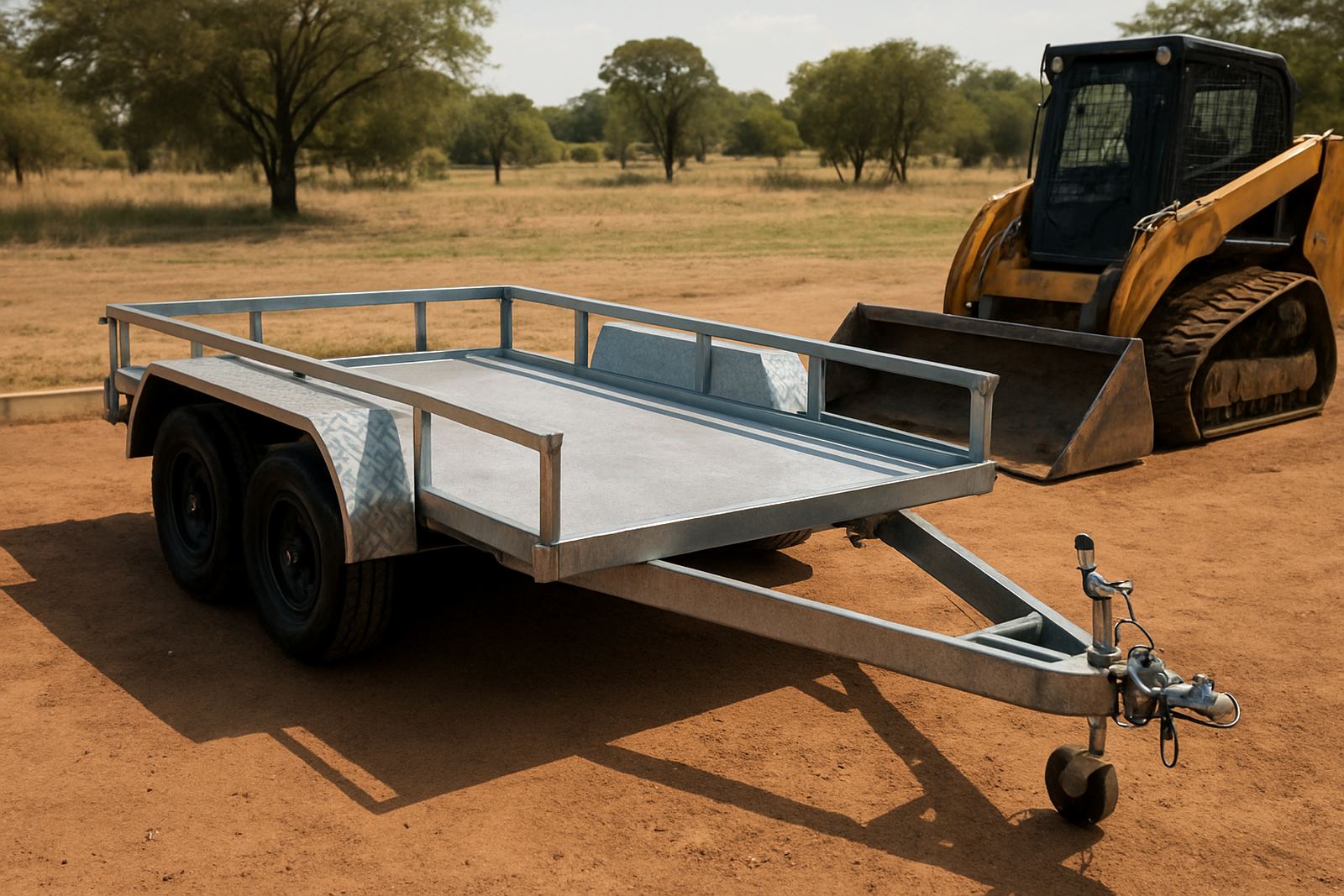
Single axle trailers come in a range of tray lengths and widths, and the right size depends on what you are carrying. Common used sizes include 1.2 m by 2.4 m, 1.4 m by 2.7 m and 1.5 m by 3.0 m, with side heights that can vary from low sides for loose goods to higher sides for bulkier loads. Some units have a flat deck, others have mesh sides, a tipping body or an enclosed top for better security.
When checking a used trailer, look at the axle rating, tyre size and the condition of the floor, sides and tow hitch. A well matched trailer should sit level behind the tow vehicle and should not feel nose-heavy or bounce around under load. If you are carrying bags, equipment or stock, a trailer with a firm deck and solid tie-down points makes loading much safer. Rust around the welds or bent rails can be a sign that the trailer has done too much work, so do not overlook that.
- Tray and body sizes vary by task
- Side panels may be open, mesh or enclosed
- Check axle rating against your load
- Inspect tie-down points and floor condition
Where single axle trailers work best
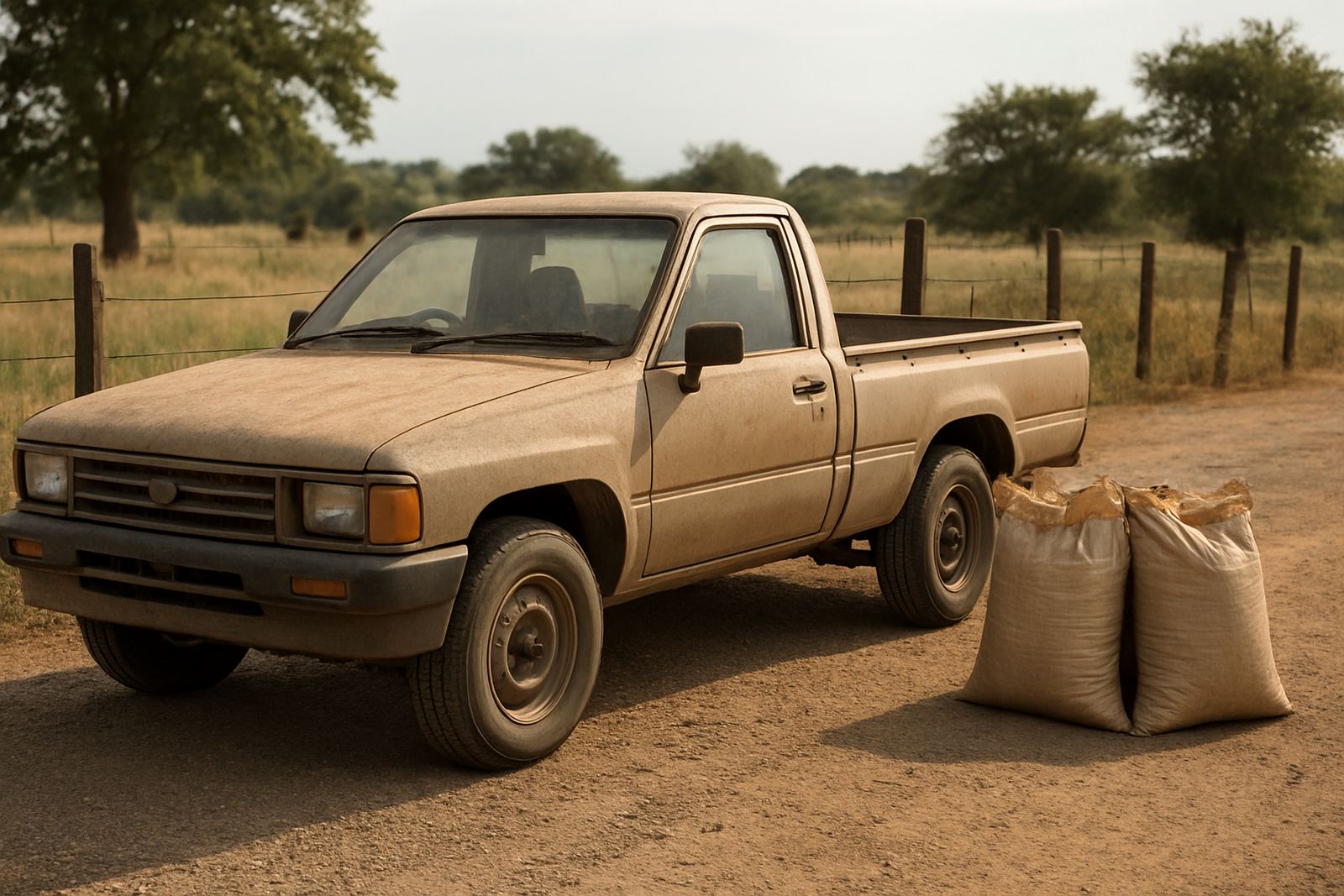
These trailers suit small contractors, gardeners, handymen, nurseries, delivery work and private buyers who need a simple towing solution. In places like East Rand industrial areas, Centurion developments and the busy routes around Durban, a single axle trailer is handy for short trips, site drops and quick collections. It is also useful for weekend use, moving furniture, transporting waste to a municipal drop-off site, or carrying tools between jobs.
For coastal areas, especially around Durban, corrosion from humidity can shorten the life of a trailer if it is not washed and stored properly. In drier inland towns such as Bloemfontein and Polokwane, the main concern is usually tyre wear, loose fittings and old grease drying out on moving parts. If the trailer is likely to stand outside, a cover or under-roof storage helps a lot, and it is worth checking the floor for water damage after heavy rain. A small trailer that sits in the sun and rain will age fast if ignored, even if it looked fine when bought.
- Good for local deliveries and site work
- Useful for private household tasks
- Handy for inner-city and suburban towing
- Needs regular storage and rust protection
Towing fitment, lights and power needs
A basic single axle trailer does not need a fuel supply or gas connection. What it does need is proper towing fitment on the vehicle, a secure tow hitch, a safety chain where required and working trailer lights. Most used trailers rely on the towing vehicle for power through the plug connection, so brake lights, tail lights and indicators must all function correctly before the trailer goes out on the road.
On busy roads around Johannesburg and Pretoria, and on longer runs to Bloemfontein or Durban, poor electrical connections can quickly turn into trouble. Corroded plugs, damaged wiring and loose earth points are common on older trailers, especially ones that have stood through power cuts, rain and dust. Before collection, make sure the tow bar height is suitable and that the trailer sits level enough for safe braking and steering. If the trailer has a handbrake or breakaway system, test it properly, not just once and hope for the best.
- No fuel or gas connection is needed
- Needs a suitable tow hitch and plug connection
- All lights must work before road use
- Check tow bar height and safety chain fitment
What to inspect before you order or collect
When buying a used single axle trailer, ask for clear condition details and not just a quick description. Check the chassis for cracks, the coupling for wear, the axle for straightness and the tyres for age and sidewall damage. A trailer may still roll, but if the wheel bearings are rough or the suspension rubbers are tired, it can become expensive after purchase.
It is also worth confirming the trailer papers, VIN details where fitted, and whether the registration status is in order for the road use you need. If you plan to use it for business, the size should suit your cargo so you are not overloading it every week. Ask for photos from several angles, plus close views of the floor, lights and undercarriage. A few extra minutes spent checking saves plenty of trouble later, and it helps avoid a trailer that looks fine at first glance but needs work straight away.
- Check chassis, coupling and axle condition
- Inspect tyres, bearings and lights
- Confirm paperwork and registration details
- Ask for undercarriage and floor photos
Care, servicing and what keeps it working longer
Single axle trailers last longer when they are washed after wet weather, especially if they have been used on salted coastal roads, building sites or dusty farm tracks. Grease the wheel bearings as needed, keep the hitch clean and check tyre pressures before longer trips. If the trailer is parked outside, cover the deck or at least keep standing water off the floor so it does not warp or rot.
Brakes, lights and wheel bearings should be checked regularly, and tyres should be replaced before the tread is done if the rubber has gone hard or cracked. Touch up scratches and exposed metal quickly, because surface rust can move fast once it gets a foothold. If the trailer is standing for weeks at a time, move it now and then so the tyres do not flat spot. A bit of care goes a long way, and it keeps the trailer legal, safe and ready when work comes in.
- Wash after rain, mud and coastal use
- Grease bearings and inspect tyres often
- Repair chips and rust early
- Store under cover where possible
How Buy Those helps you match the right trailer
Buy Those assists private sellers and dealers across South Africa, with listings, inspections, buyer matching and delivery coordination from our base in Spartan, Kempton Park. Our team helps compare condition, usage, price and towing fitment so you can choose a used single axle trailer that suits the job and the vehicle. Whether you are based in Kempton Park, Johannesburg, Pretoria, Polokwane, Bloemfontein, Durban, Centurion or elsewhere on the East Rand, we keep the process straightforward.
If you are unsure about size or condition, we can arrange viewing support, condition reporting and practical guidance before collection. That is useful when you need a trailer for work and cannot afford a poor purchase or a long delay. You send the enquiry through the contact form, and we help from there with the next steps, collection or delivery as needed. It keeps things moving without any fuss, and you get a clearer picture before making a decision.
- Inspection and condition reporting available
- Viewing and delivery arrangements can be coordinated
- Support for buyers and sellers across SA
- Practical guidance on fitment and use
Key facts
| Product type | Used single axle trailer |
|---|---|
| Typical sizes | About 1.2 m x 2.4 m to 1.5 m x 3.0 m |
| Load use | Light to medium general towing |
| Power or gas needs | No fuel or gas required, lights use towing-vehicle electrical power |
| Best suited for | Private use, small business work, deliveries, garden and site tasks |
| Service focus | Tyres, bearings, lights, hitch, floor and rust checks |