What a Tipper Trailer Does on Site
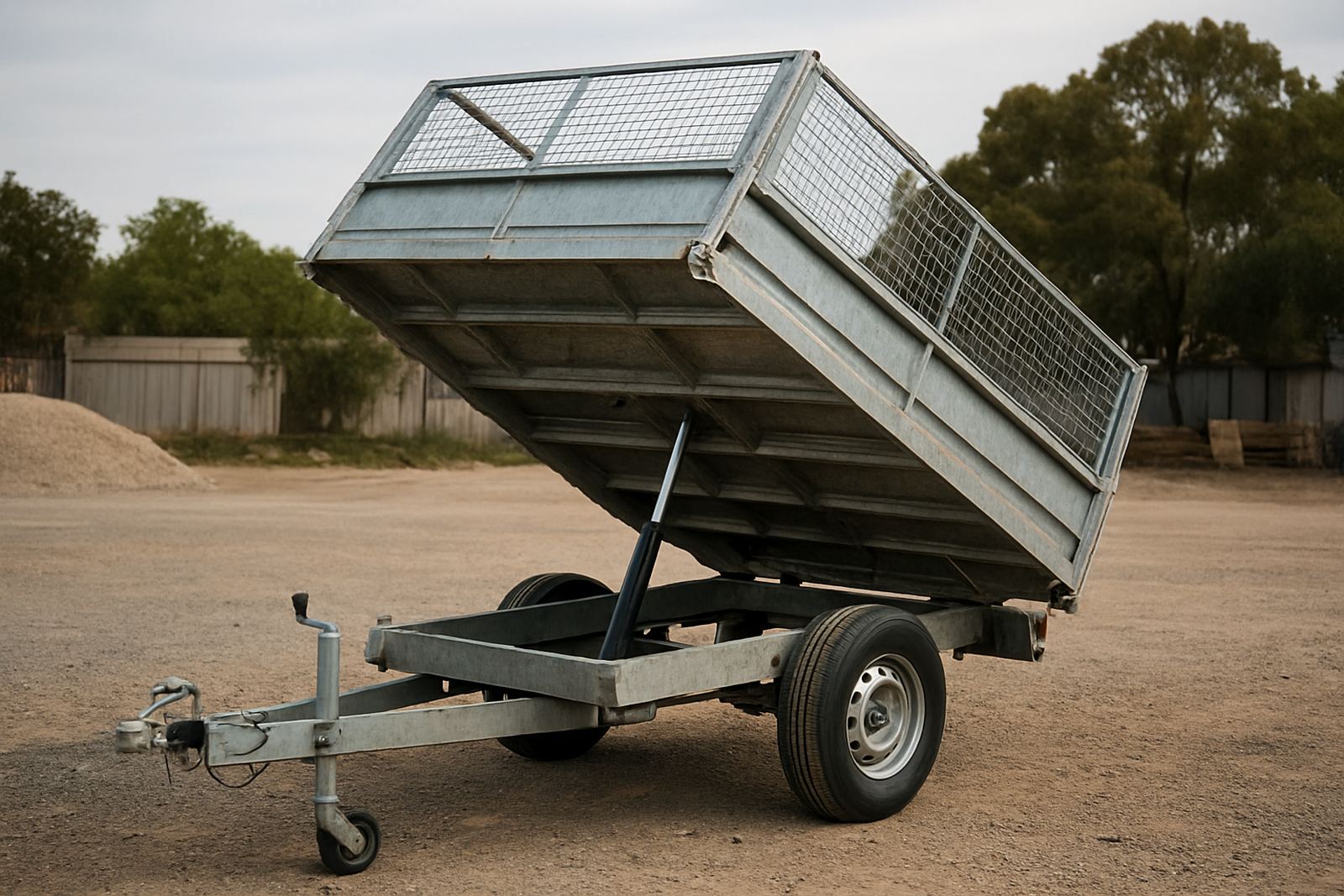
A tipper trailer is built to carry loose material and discharge it by lifting the loadbed so the contents slide out under gravity. That makes it useful for rubble, sand, topsoil, compost, bricks, green waste and general site clean-up. For small contractors, gardeners and property owners, it can cut hand labour and keep turnaround times down. It is a simple tool, but the frame, axle and tipping gear must all be in good order if you want reliable daily use.
Used units vary a lot depending on how they were built and how they were maintained. Some are light enough for domestic towing, while others are made for harder work on farms, building sites and municipal jobs. The right trailer depends on what you move most often, how far you travel, and whether you need a manual or hydraulic tipping system. A neat trailer with a straight chassis and clean welds can still give good service for years.
As a rule, buyers should match the trailer to the tow vehicle and the permit or licensing requirements that apply to the gross vehicle mass. If the trailer is too heavy for the bakkie or the braking setup is not suitable, you will feel it on the road and during loading. This is where a proper inspection helps, because a dented body may be minor but worn bearings or a tired tilt ram can turn into costly downtime.
Common Sizes, Load Ratings and Build Options
Tipper trailers come in several practical sizes, usually chosen by tray length, width and carrying capacity. For small work, a unit around 2.4 m to 3.0 m long can handle lighter rubble and garden material. Mid-size trailers often range from 3.2 m to 4.5 m, giving more room for building waste or sand. Larger custom units can be built for heavier site work, but they need a stronger tow vehicle and careful braking checks.
Buyers should also look at sides, floor thickness, axle rating and whether the trailer has mesh extensions or removable side panels. A higher side profile helps with light but bulky material like branches and packaging, while a lower body can be easier for wheelbarrow loading and manual shovelling. Some trailers use a hand pump or jack style lift, while others use a hydraulic system powered by the towing vehicle or a separate power source. The right choice depends on how often you tip and how heavy the load gets.
- Typical tray lengths: 2.4 m, 3.0 m, 3.5 m and 4.5 m
- Common widths: about 1.5 m to 2.1 m
- Payload ranges: roughly 750 kg to 3 500 kg, depending on the build
- Axle setup: single axle for lighter use, tandem axle for heavier loads
- Body materials: mild steel frames and steel or treated floor panels
- Tipping types: manual, hydraulic or electric-hydraulic on certain builds
Where Used Tipper Trailers Fit Best
These trailers suit rubble removal, landscaping, municipal tidy-up work, small construction teams and yard maintenance businesses. In places like Johannesburg, Pretoria and Centurion, they are often used for renovation debris and garden refuse. Around Durban, where coastal humidity can be hard on metal, buyers should pay extra attention to corrosion around the floor, springs and light fittings. In Polokwane and Bloemfontein, dust and rougher roads can affect bearings and couplings if servicing is neglected.
For private sellers and dealers, a good trailer sells better when the use case is clear. A buyer looking for a landscaping trailer may want clean sides and a tidy finish, while a contractor may care more about axle rating and easy tipping. It helps to know whether the trailer has been used mostly for sand, stones, green waste or demolition material because that tells you a lot about wear. If the trailer has seen hard site work, ask for photos of the underside and the hinge points.
Power cuts do not stop a trailer from working, which is one reason many buyers like them for low-overhead operations. But if the unit uses an electric pump or lighting, battery condition and wiring should be checked. A trailer that looks ready on the outside can still have weak earth connections or a slow lift when loaded. That is worth sorting before collection, not after the first job.
Towing, Power and Setup Needs
Most tipper trailers do not need fixed installation, but they do need the correct towbar setup, towing mirrors where required, a working electrical plug and a vehicle that can handle the mass. If the trailer uses a hydraulic or electric-hydraulic tipping system, the buyer should confirm how the pump is powered and whether the battery or control unit is included. There is no gas requirement for standard models, so the main focus is on towing safety and lift function.
Before collection, make sure the tow vehicle has enough rated towing capacity and that the trailer coupling matches properly. Check the brake setup too. Some units use overrun brakes, while others may have different arrangements depending on age and build. If the braking is sticky, the trailer may jerk under load or pull unevenly. A well set-up trailer should track straight, tip cleanly and lower fully without binding. Small issues like a worn safety chain or damaged plug can be fixed, but they should be noted early.
- Confirm towbar rating and licence class before purchase
- Check the lighting plug, indicators and brake lights
- Test the tipping action with a light load if possible
- Inspect tyres for cracking, uneven wear and age
- Look for play in the hitch, drawbar and wheel bearings
- Verify that the loadbed floor is sound and not softened by rust
What to Check Before You Order
When ordering a used tipper trailer, ask for the trailer dimensions, axle rating, tare weight and payload estimate. These numbers help you compare units fairly and see whether the trailer matches your work. Photos should show the chassis, floor, tailgate, ram or pump, lights, tyres and coupling. If the seller cannot show clear images of the underside, that is a warning sign. You want to know if repairs were done properly or just patched over.
Also ask how the trailer was used. A trailer that carried timber, garden refuse and light rubble may have a different wear pattern from one that hauled broken brick every day. Check whether the body tilts smoothly and whether the latch closes properly after tipping. On older units, rust can hide under old paint and on weld lines, so a close look matters. A neat trailer is not always a good trailer, but a good one should look honest and straight.
Buyers and sellers in Kempton Park, Johannesburg, Pretoria, Polokwane, Bloemfontein and Durban can use us for listings, viewing arrangements, condition reporting and delivery arrangements. If you are buying from a private seller or dealer, having the details together upfront saves time and helps avoid wasted trips. It also gives you a better basis for price guidance. That matters when you are comparing several trailers with different tyres, lifts and load ratings.
Care and Servicing After Purchase
Once the trailer is in service, keep it clean after every rubble or sand run. Dust, wet cement, salt air and mud all shorten the life of moving parts if they are left on the frame. Grease the bearings, check the hinges and look over the tipping mechanism regularly. If the trailer has electric lights, keep connectors dry and inspect for corrosion, especially in coastal areas. A simple wash and inspection routine can prevent bigger repair bills later on.
Tyres should be checked for pressure and age, not only tread depth. Bearings need attention before they get noisy, and the floor should be watched for soft spots or rust pinholes. If the trailer is stored outside, try to keep it on level ground and off standing water. Covering the electrical parts and exposed metal helps too. Small servicing habits make a big difference because a tipper trailer works best when it is treated as a working asset, not a borrowed cart.
For heavier users, a planned service interval is sensible. After a few months of regular site work, inspect the welds, hydraulic lines and fasteners, then tighten what has loosened. If the unit starts tipping slower than usual or the body sits unevenly, stop and check before the next load. That one extra look can save a bent frame or a blown hose.
Key facts
| Typical sizes | 2.4 m to 4.5 m tray length, depending on build |
|---|---|
| Payload range | About 750 kg to 3 500 kg |
| Axle options | Single axle or tandem axle |
| Tipping system | Manual, hydraulic or electric-hydraulic |
| Common uses | Rubble, sand, landscaping waste and site clean-up |
| Tow requirements | Suitable tow vehicle, matching coupling and working lights |