What Delivery Bakkies Are Used For
Delivery bakkies are working vehicles built for daily stop-start use, short to medium route work, and carrying goods that need to arrive in fair condition. They are common with spaza and retail supply, hardware runs, spare parts, catering supplies, courier support and light construction deliveries. In Gauteng they spend a lot of time in traffic and idling between stops, while in places like Durban the main concern is coastal humidity and salt air on the body, load bay and electrics.
Used delivery bakkies are often cheaper to buy than a new unit, but the condition varies a lot. Some have done city work with frequent loading and unloading, others have spent time on longer routes between towns. That is why the right inspection matters. A bakkie that looks tidy from the outside can still have tired brakes, noisy suspension or a load bay that has been repaired badly after previous use.
We help buyers match the vehicle to the real job, whether that means quick urban deliveries in Johannesburg and Pretoria or regular intercity work between Polokwane, Bloemfontein and Durban. If the bakkie is for a private seller or a dealer stock unit, we also help with viewing arrangements, collection coordination and delivery planning.
Sizes, Load Bays and Body Options
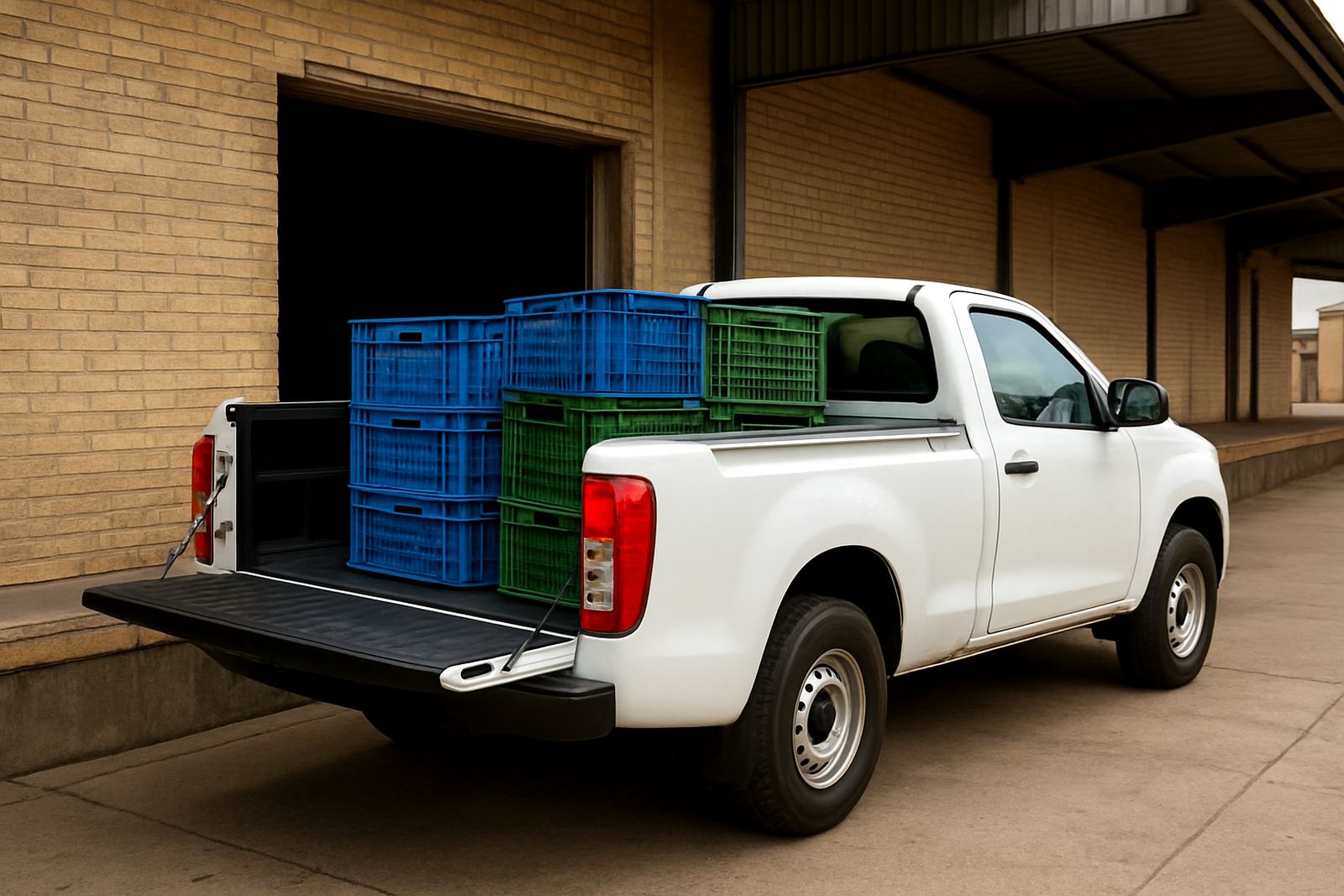
Delivery bakkies come in a few common formats, and the right choice depends on what you carry, how often you load it, and whether items need to stay dry or upright. A single cab gives a longer load bay and is useful for bulk boxes, sacks, hardware and building goods. A extended cab or double cab offers extra seating but usually gives up some load length, so it suits mixed use better than pure delivery work.
Typical used options include:
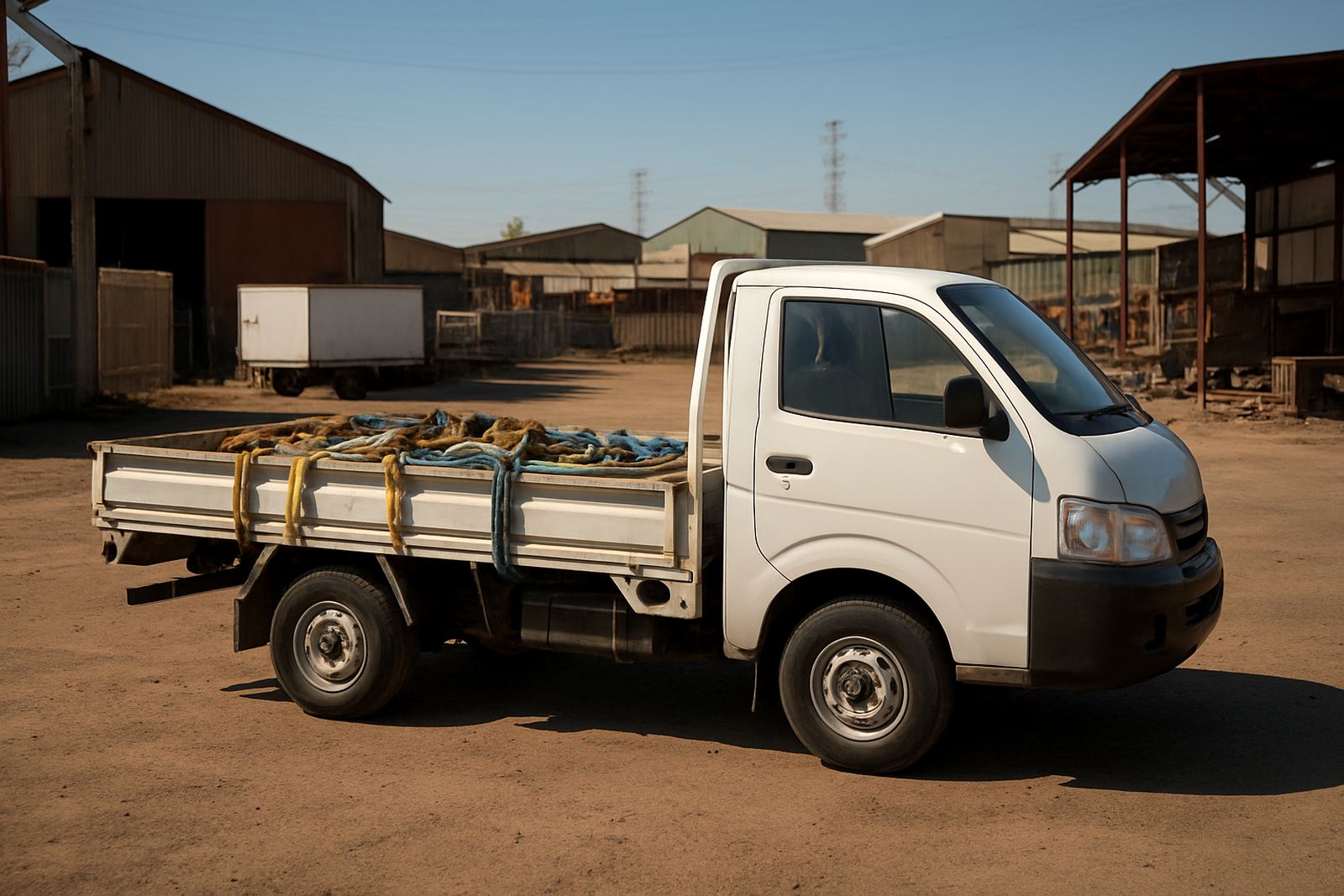
- Single cab with open load bed for general cargo and easy side loading
- Single cab with canopy for lockable dry storage and weather protection
- Drop-side body for quicker loading of boxes, crates and loose stock
- Panelled load body for parcel work and cleaner goods
- Tail lift setup for heavier consignments and pallet handling
- Refrigerated body for chilled items where a cold chain is needed
Load capacity depends on the chassis, suspension and body fitment, but many delivery bakkies work best when they stay within about 1 to 1.2 tonnes of carried weight. Overloading shortens tyre life, damages leaf springs and puts strain on the gearbox and clutch, especially in heavy traffic and on the hills around Pretoria, Centurion and parts of the East Rand.
Where They Suit Best and Why
These bakkies suit businesses that need flexibility. They are practical for shop-to-shop stock movement, courier routes, farm supply, service teams and local distribution where a rigid truck would be too big or too costly to run. Smaller delivery bakkies are also useful for sellers who need to park close to customers in tight streets or busy malls, where turning space is limited and quick loading matters.
They also work well for mixed terrain. In Johannesburg and Kempton Park, the stop-start traffic and frequent short trips make a simple, easy to maintain bakkie a smart choice. In Bloemfontein and Polokwane, longer stretches between collections mean road comfort and fuel use become more important. On the coast around Durban, rust protection and regular underbody cleaning matter a lot more than many buyers expect.
- Urban delivery and same-day drop-offs
- Retail stock transfer between branches
- Hardware, parts and courier support
- Fresh goods where timing is tight
- Light service work with tools on board
If your route includes rough roads or frequent loading on uneven ground, check ground clearance, suspension condition and tyre size before you commit. A bakkie that is fine on paved city routes may struggle when it is loaded and sent onto gravel or broken tar every day.
Power, Refrigeration and Optional Fitments
Most used delivery bakkies do not need special power requirements unless they have added equipment fitted. Standard open-body or canopy units are ready to work as soon as the engine, battery and charging system are in good order. If the vehicle has a fridge unit, inverter, extra lighting or a tail lift, then the electrical system needs a proper check before purchase. Older batteries can fail quickly when a vehicle is used for short trips and frequent starts, especially during power cuts when extra charging cycles are common at depots.
For chilled deliveries, check whether the refrigerated system is engine-driven or powered separately. Ask how long it holds temperature when the vehicle is switched off, because that matters during loading delays. If the body is used for bakery goods, dairy, meat or frozen stock, confirm that door seals, insulation and floor condition are still sound. A small tear or gap can cause loss of temperature and spoil stock.
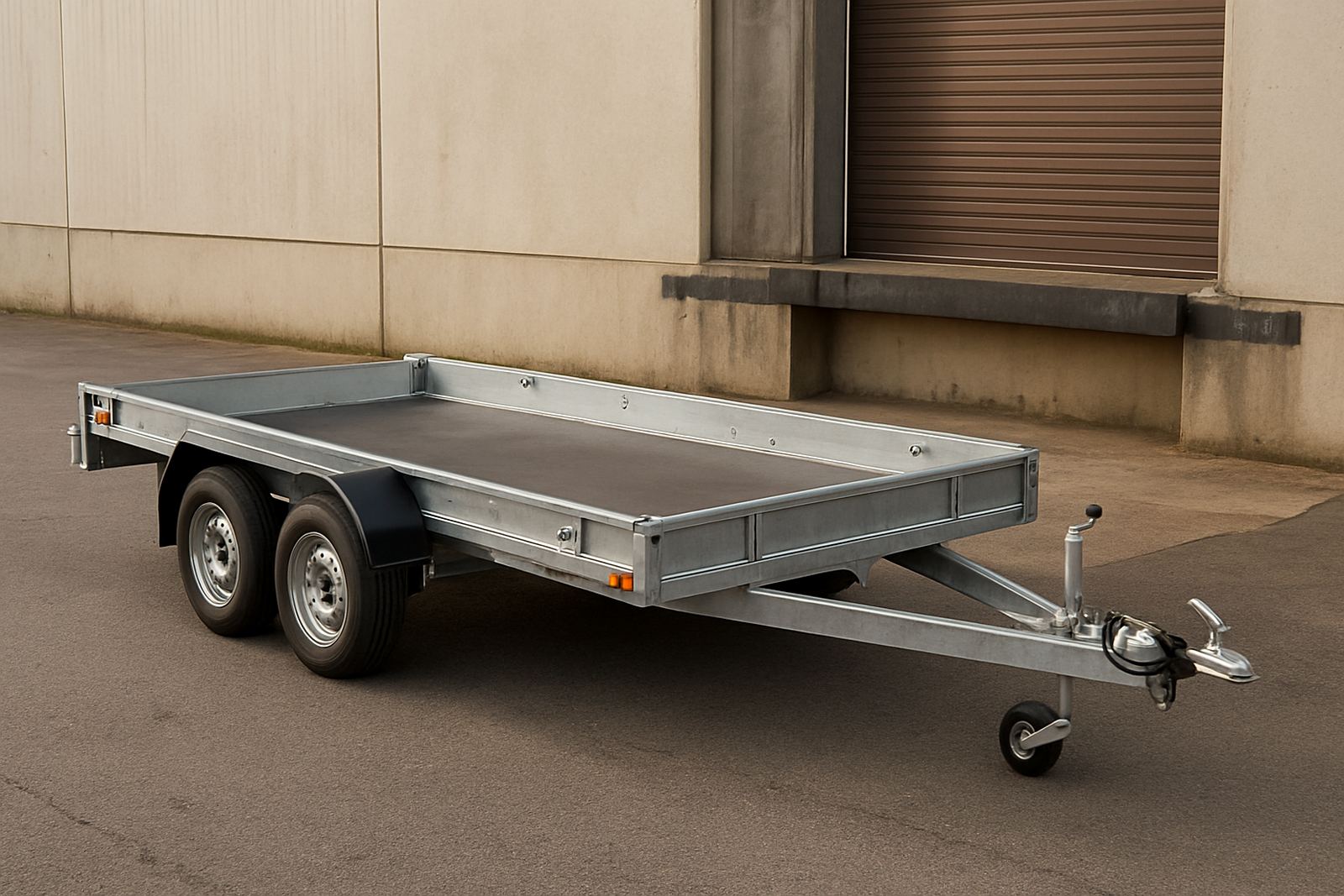
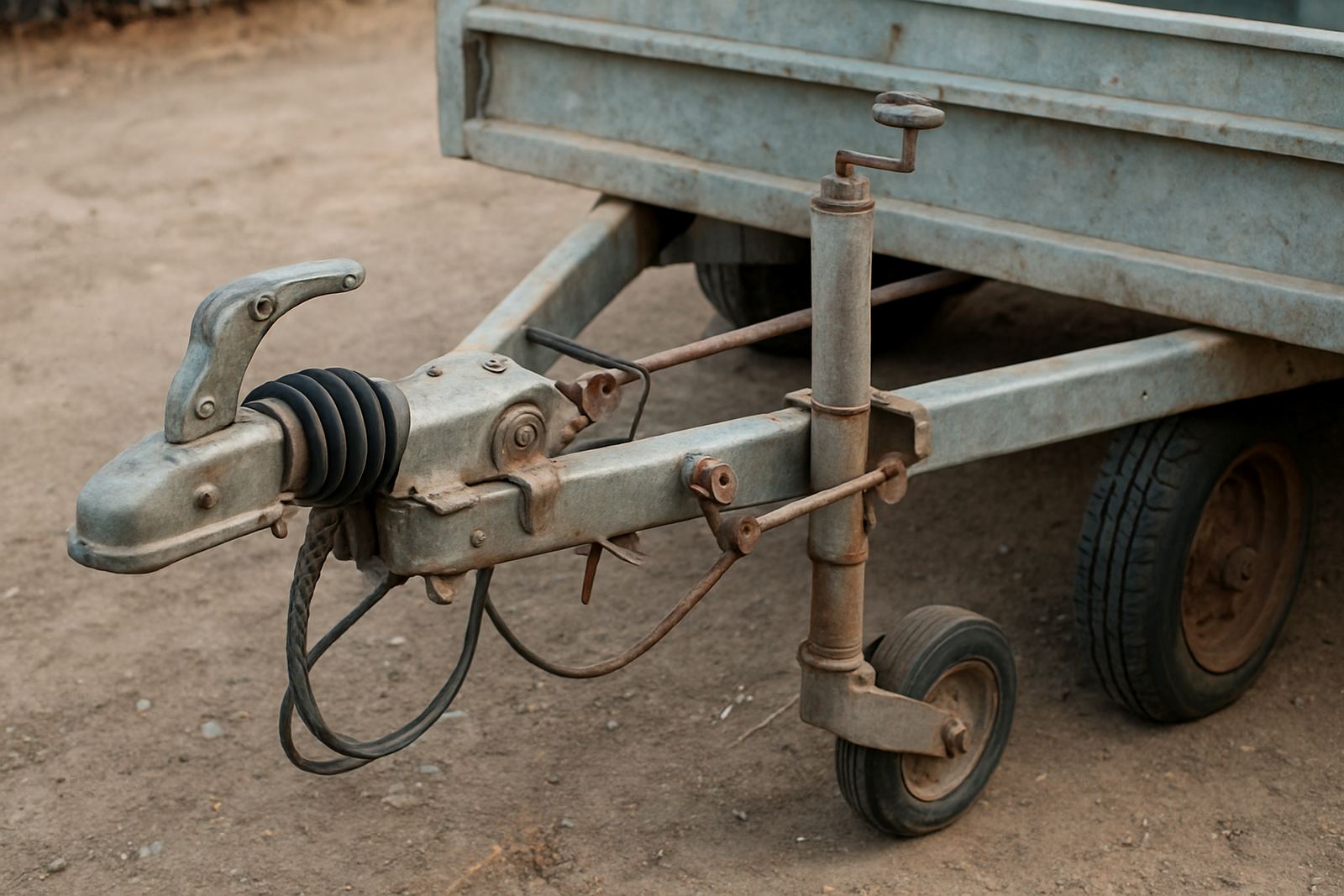
Useful fitments to look for include shelving, load rails, tie-down points, a tow bar, reversing sensors, a canopy with side windows, locking rear doors and a secure bulkhead between the cab and load area. Make sure any added wiring is neat and fused correctly. Messy wiring is a common issue on used units and it causes faults that are annoying and expensive to trace.
Care, Servicing and Everyday Checks
A delivery bakkie earns its keep only if it stays dependable. Regular servicing matters more than fancy extras, especially if the vehicle is used every weekday. Check oil, coolant, brake fluid and power steering fluid on schedule. Tyres should be rotated when needed and matched properly, because uneven wear can throw off handling when the bakkie is fully loaded.
Daily or weekly checks should include:
- Brake response and handbrake holding power
- Tyre condition, sidewall damage and tread depth
- Load bay floor, canopy locks and hinges
- Suspension sag and shock absorber leaks
- Battery condition and charging performance
- Rust around the cab floor, chassis and load body
If the bakkie has worked near the coast or carried wet stock, wash the underside and load area regularly. Salt and moisture can attack hinges, fasteners and brackets. In dusty inland areas, air filters and radiator fins should also be kept clean so the engine does not run hot. Keeping a simple log of oil changes, brake work and tyre replacements helps when you resell or trade the vehicle later.
What To Check Before You Order
Before you place an order, check the payload you need, the size of the cargo you carry and the distance each route covers in a day. That will tell you whether a single cab, canopy unit or refrigerated body is the better fit. Also check whether the driver needs passenger space, whether the bakkie must fit in a basement or narrow yard, and whether loading is done by hand or with a fork or trolley.
It is also worth asking for a proper condition report. Look closely at service records, accident repair signs, chassis alignment, clutch feel, gearbox noise and brake wear. Body condition matters too, because a cheap bakkie with a tired load bay can end up costing more after repairs than a cleaner unit with a slightly higher asking price.
- Confirm actual mileage and service history
- Check for rust, accident repairs and panel mismatch
- Inspect load capacity and rear suspension condition
- Test the battery, lights and charging system
- Confirm whether canopy, tail lift or fridge unit is included
- Arrange viewing, collection and delivery before payment planning
Buy Those works with sellers and dealers across Kempton Park, Johannesburg, Pretoria, Polokwane, Bloemfontein, Durban, East Rand and Centurion. If you need help comparing stock, our team can guide the buying process from first enquiry through to viewing and delivery arrangements, no fuss and no wasted time.
Key facts
| Common body styles | Single cab, canopy, drop-side, panelled load body, tail lift, refrigerated unit |
|---|---|
| Typical payload range | About 800 kg to 1 200 kg depending on chassis and body fitment |
| Typical use | Retail deliveries, stock runs, courier support, light trade work |
| Fuel type | Petrol or diesel, depending on the vehicle |
| Transmission | Manual or automatic, subject to stock availability |
| Coverage areas | Kempton Park, Johannesburg, Pretoria, Polokwane, Bloemfontein, Durban, East Rand, Centurion |