Why a braked trailer matters for heavier towing
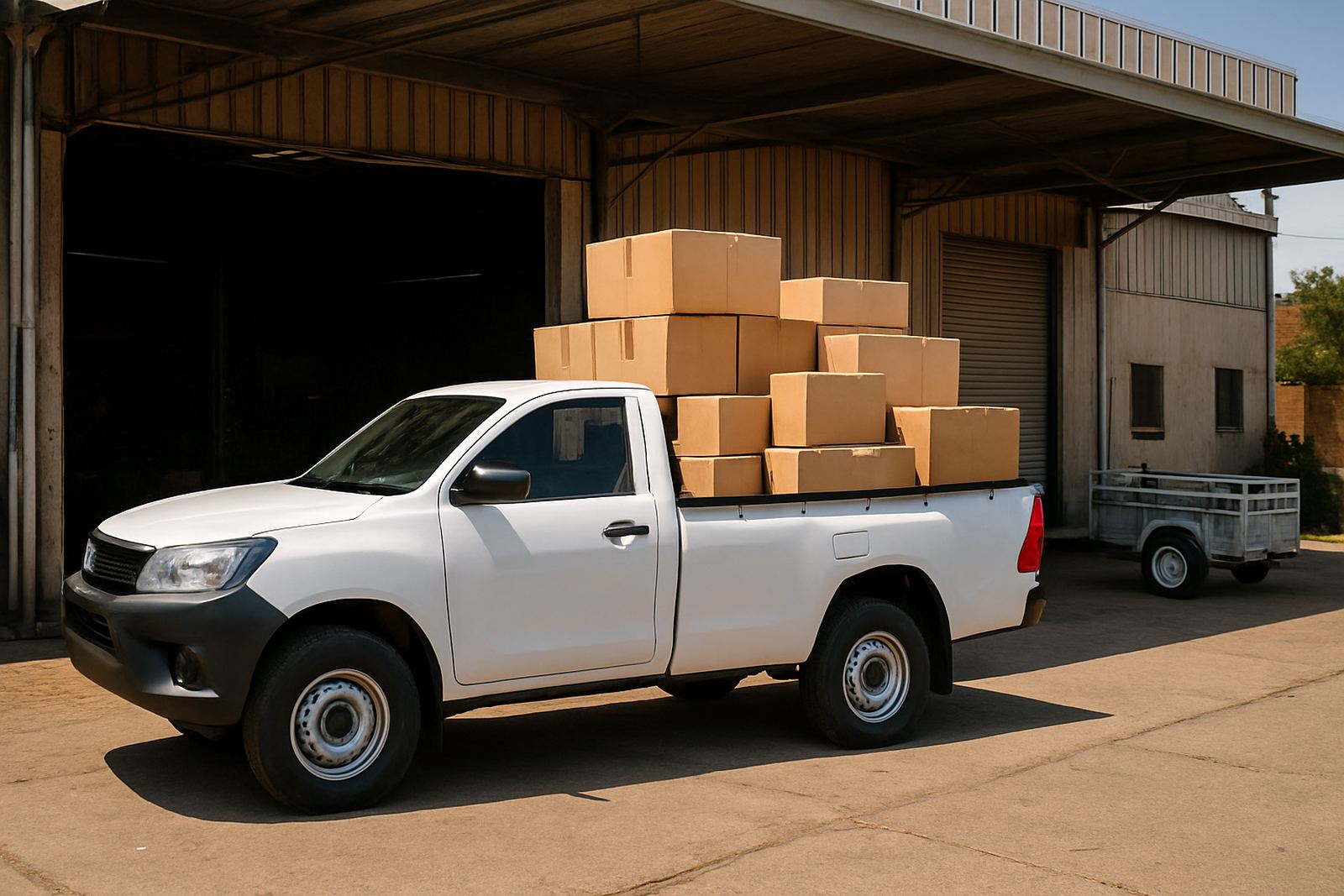
A braked trailer uses its own braking system so the trailer can help slow the load instead of leaving all the work to the bakkie or SUV. That extra stopping support matters when you are towing building material, machinery, livestock, garden waste or bulky business stock, and it matters even more on downhill sections, wet roads and in traffic around Johannesburg or Durban.
For private sellers and dealers, used braked trailers are often the better fit for buyers who want safer towing without paying new-trailer prices. We see demand from small contractors, farmers, event crews and families who need a dependable towing setup for weekends or regular work. A properly matched braked trailer can reduce wear on the tow vehicle and gives the driver more confidence when the load changes suddenly or the road surface is uneven.
Braked trailers are not one size fits all. The right unit depends on gross mass, axle setup, load box size and the type of tow vehicle you plan to use. If the trailer has been used hard, the braking parts must be checked carefully before you commit. We look at the frame, floor, lights, coupling and running gear so buyers know what they are getting.
Common sizes, axle setups and load ranges
Used braked trailers are available in several sizes, from compact single-axle units for lighter utility work to tandem-axle trailers for heavier cargo and better road stability. Some buyers want a low-sided trailer for general freight, while others need a higher-sided or enclosed option for protection from weather and dust. In coastal areas, galvanised finishes and protected wiring are worth paying attention to because humidity can speed up rust and electrical faults.
- Single axle braked trailer: suitable for lighter loads, easier to manoeuvre and park in tight yards
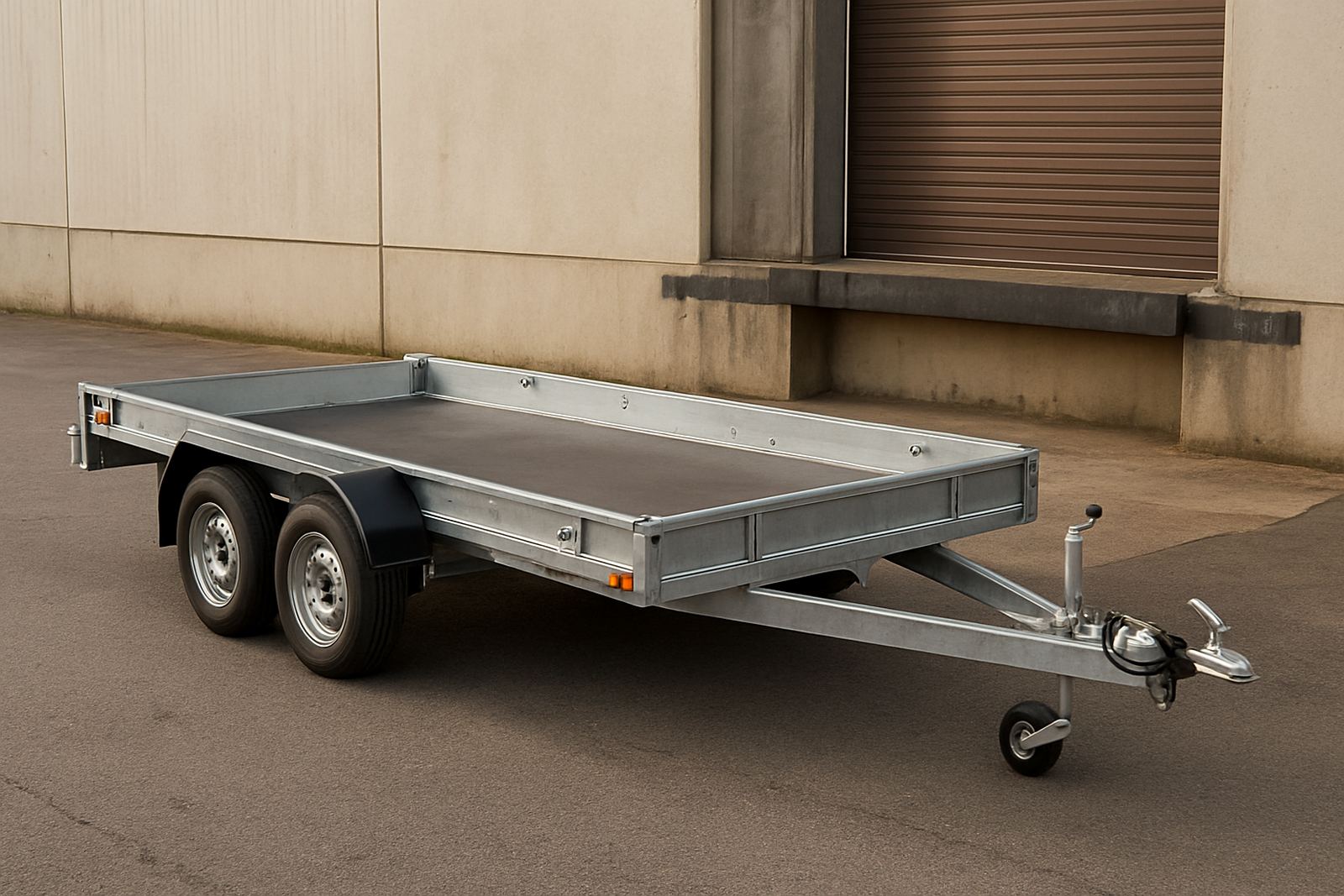
- Tandem axle braked trailer: better weight spread for heavier cargo and rougher roads
- Flatbed style: good for machinery, pallets and mixed business loads
- High-sided utility style: useful for loose material, equipment and general transport
- Enclosed body style: helps protect goods from rain, dust and theft risk
Typical used units can range from around 1 000 kg gross mass up to 3 500 kg or more depending on build and paperwork. Deck lengths commonly run from about 2.4 metres to 4.8 metres, with widths around 1.5 metres to 2.4 metres. We always advise buyers to check the actual rated capacity rather than guessing by size alone, because a trailer can look big but still be limited by its axle rating and braking system.
Where braked trailers work best in South Africa
Braked trailers suit a wide range of local use cases. In Pretoria and Centurion, they are often used for landscaping teams, small builders and delivery work. In Polokwane and Bloemfontein, buyers often want a trailer that can handle longer distances, farm roads and rougher access points. In Durban, the focus is often on corrosion resistance and reliable lights because coastal conditions can be hard on metal and wiring.
They also work well for sellers and dealers moving stock between yards or arranging buyer collections across the East Rand and wider Gauteng. If you need to tow during power cut hours or early mornings, trailer lights and brakes must be in good condition so you are not dealing with unnecessary faults on the road. We also see buyers asking for trailers that are easy to service locally, with parts and tyres that are not difficult to replace.
For mixed use, a braked trailer is often a better long-term choice than an unbraked unit when the load regularly changes. If you are carrying heavier cargo some days and lighter gear on others, the added braking support gives you more margin. It is still important to match the trailer to the towbar rating and the towing vehicle's legal limits, because the trailer can only do its job if the full setup is compatible.
What to check before you order or collect
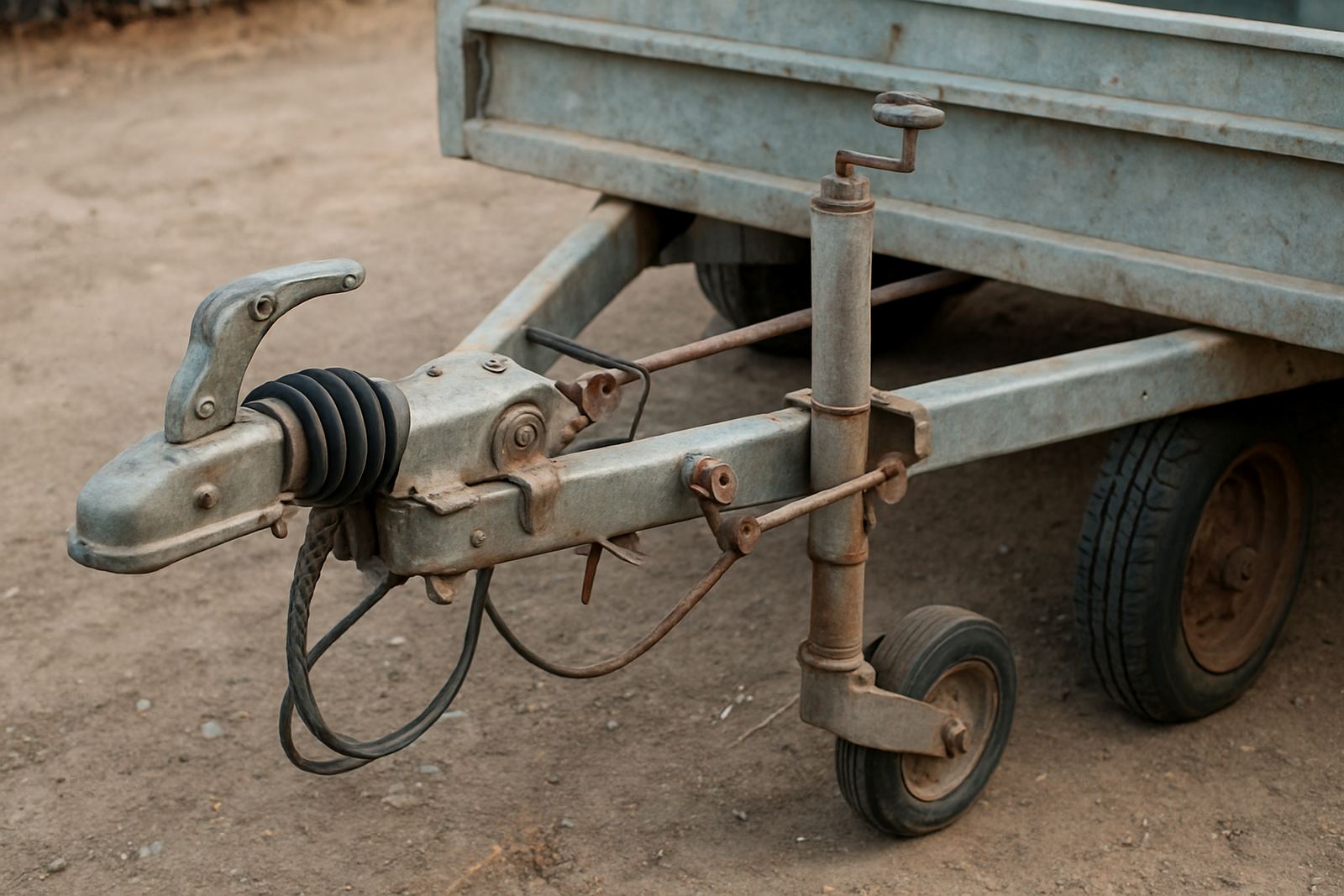
Before ordering a used braked trailer, check the paperwork, chassis number and service history where available. The trailer should match the seller description, and the brakes should be complete, not just present. Ask whether the handbrake works, whether the overrun mechanism returns properly and whether the axle or axles show uneven wear. A quick visual check can miss faults that show up only under load.
- Gross vehicle mass and tare weight
- Brake type and working condition
- Tyre condition, size and age
- Coupling, jockey wheel and safety chains
- Lights, plug and wiring condition
- Floor, frame, rust points and weld repairs
Also check if the trailer suits your tow vehicle's towing capacity and the type of road use you plan. If you are buying for a dealer yard or resale, condition reporting matters because small faults can affect both price and buyer confidence. A trailer with straight chassis rails and even tyre wear is usually easier to put back into service than one with hidden damage.
Installation, towing setup and power needs
Most braked trailers do not need a complicated installation, but the tow vehicle and trailer must be set up correctly. The towbar must be rated for the load, the electrical plug must match the vehicle, and the braking linkage needs to operate as designed. If the trailer has electric brakes or auxiliary lighting, check that the vehicle side is ready for it before you collect. Some buyers forget this part and end up with a trailer that is sound but not ready for road use, which wastes time.
For power needs, the main requirement is the trailer lighting circuit and, where fitted, any brake controller or charging connection. There is no gas requirement for standard braked trailers. If you are towing for business, make sure the trailer lights, reflectors and number plate are visible and compliant, especially for evening movement between yards or late delivery runs. A clean earth connection and protected wiring are important in wet weather and on gravel roads where connectors get shaken loose.
We also advise checking the tow ball height and load distribution. If the trailer sits nose-up or tail-heavy, braking performance and stability can suffer. That is one of the most common reasons drivers feel sway at speed. A proper match between vehicle, load and trailer geometry makes a big difference.
Care, servicing and long-term value
Used braked trailers last longer when the owner keeps up with simple servicing. Grease the moving points, inspect the brake shoes or pads where fitted, check bearings and keep the tyres inflated to the correct pressure. After rain, coastal travel or washing, let the trailer dry before storing it so moisture does not sit inside the hubs or around the wiring. If you leave a trailer standing for months, move it now and then so the tyres do not flat spot.
Brakes should be checked regularly because heat, dust and vibration can change how they feel. If the trailer pulls to one side, stops unevenly or makes scraping noises, it needs attention before the next trip. For commercial use, a service schedule every few months is sensible, especially if the trailer sees daily work. A bit of preventative care saves money and keeps the resale value stronger.
Buyer support, seller support, viewing arrangements and delivery arrangements all help keep the process practical from first enquiry to handover. If you are searching in Kempton Park, Johannesburg, Pretoria, Polokwane, Bloemfontein or Durban, we can help you compare options and find a trailer that suits the load, the route and the budget.
How we help with used braked trailers
Our team in Spartan, Kempton Park works with private sellers and dealers across South Africa. Zama Modise handles sales guidance, Sarel Terblanche checks vehicle condition, Kopano Gxowa supports buyer matching, Morne Botha coordinates logistics, Andiswa Kekana manages listings and Nompumelelo Sekhukhune handles customer support. That means you are not left guessing about what is available or how to move it.
When you enquire through our contact page, we can assist with photo packages, price guidance, condition reporting and collection coordination. If the trailer needs to move to another area, we can also help plan delivery. For buyers who want a straightforward process, that support makes it easier to compare used braked trailers properly and choose the right one first time.
Key facts
| Product type | Used braked trailers for safer towing of heavier cargo |
|---|---|
| Typical gross mass | About 1 000 kg to 3 500 kg plus, depending on build |
| Common lengths | Around 2.4 metres to 4.8 metres |
| Common widths | Around 1.5 metres to 2.4 metres |
| Axle options | Single axle or tandem axle |
| Best suited for | Business loads, machinery, freight, farm use and mixed transport |