Used Car Trailers For Everyday Vehicle Transport
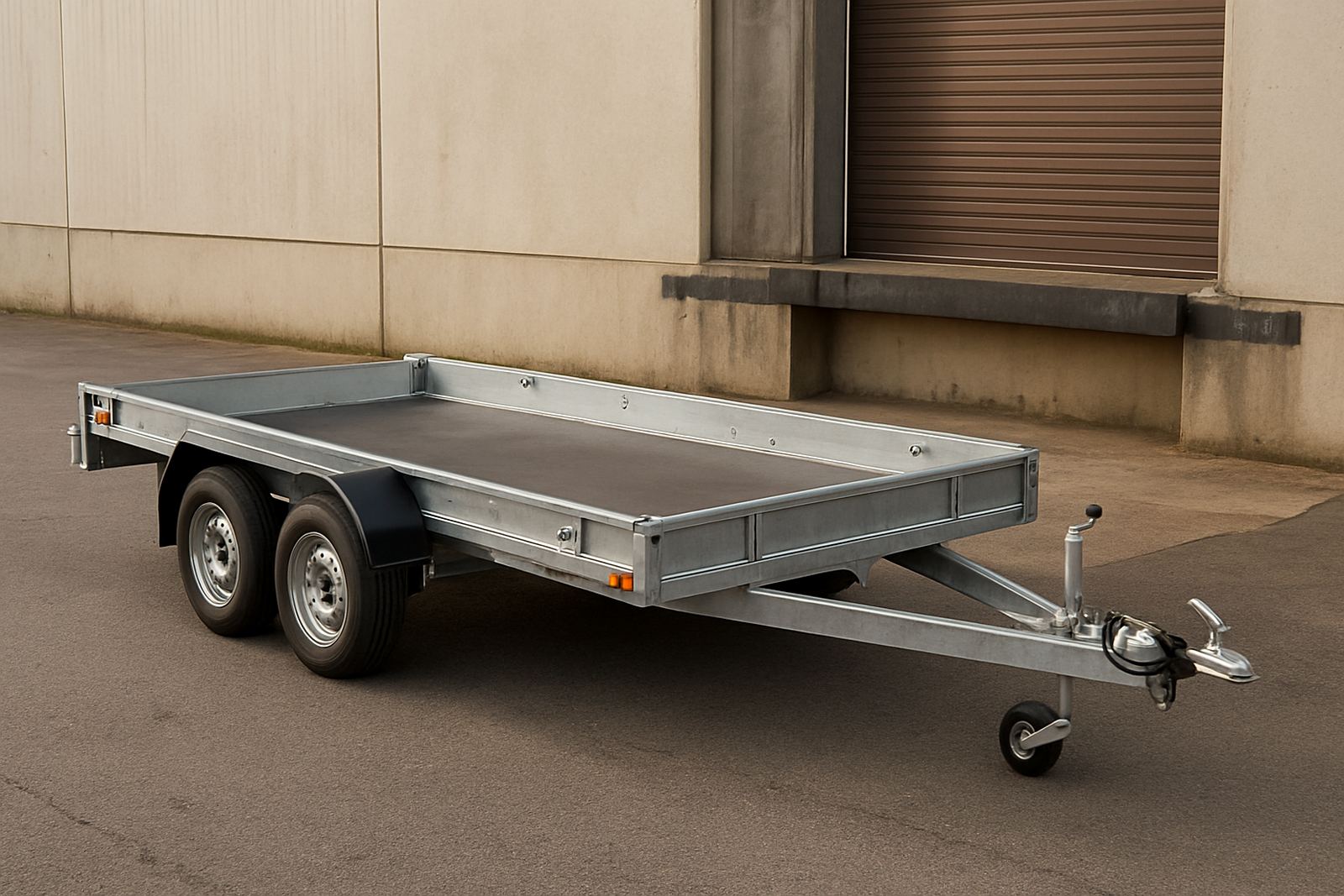
A used car trailer is a towable platform made for moving vehicles that cannot be driven, need shifting between sites, or must be collected from auction yards, panel shops, farms and depots. These trailers are common around Kempton Park, Johannesburg, Pretoria and Durban where buyers need a practical way to move sedans, hatchbacks, bakkies and light project vehicles without hiring a flatbed every time.
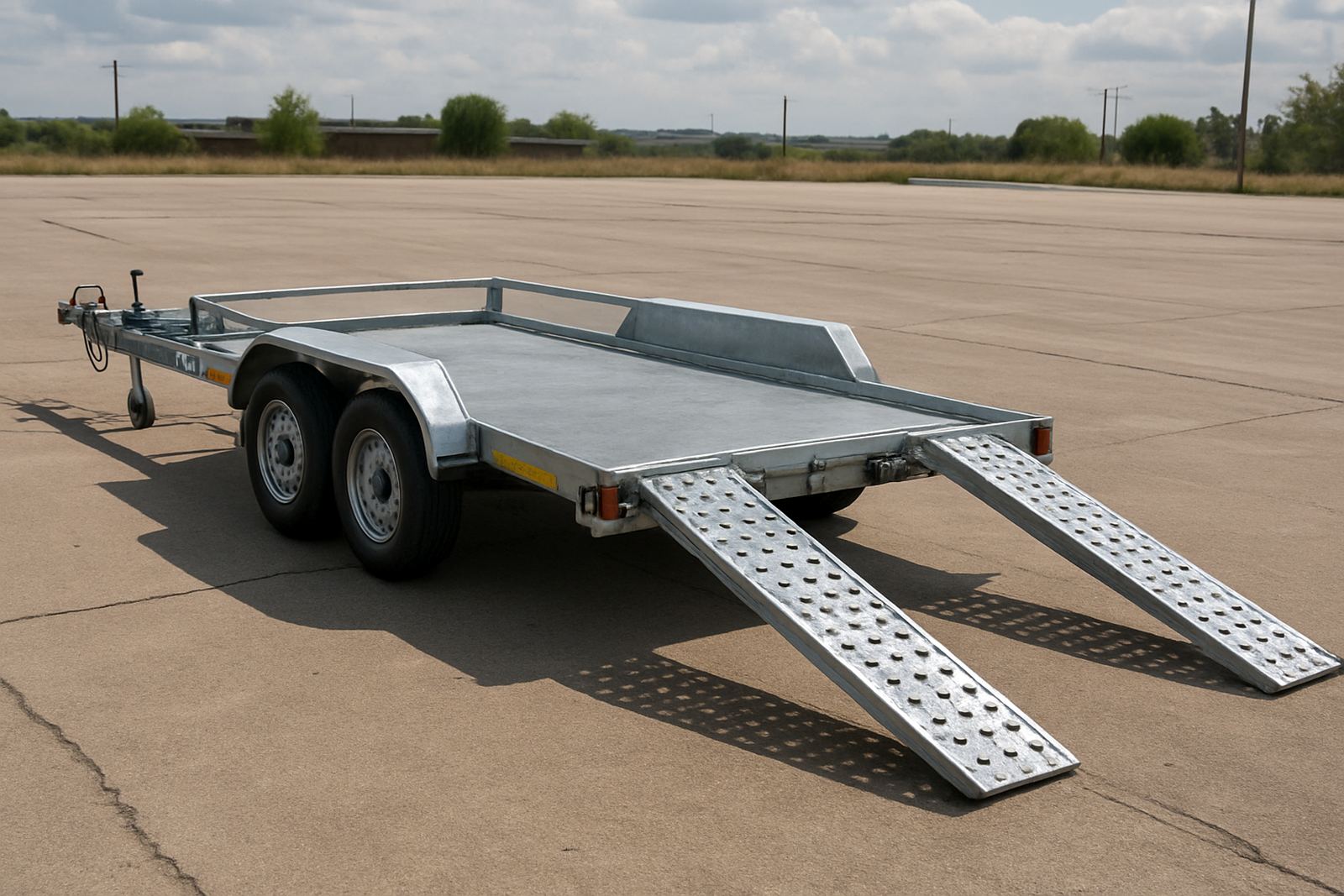
Most units are built with a steel chassis, a loading deck, ramps and tie-down points. Some have open sides for easier access, while others include mudguards, stop lights and a braking system. The right choice depends on axle rating, deck length, overall width and the mass of the vehicle you plan to carry. A trailer that is too short or too light can cause trouble on the road, especially when the load shifts under braking or over speed humps.
For private buyers and dealers alike, a good trailer should be straight, roadworthy and simple to hook up. At Buy Those we look at condition, load rating and how well the unit will suit your towing setup, because a trailer that works for a short town run may not suit long-distance collection between provinces.
Sizes, Deck Layouts And Load Ratings To Compare
Car trailers come in a few common sizes. Shorter single-axle units suit lighter cars and occasional use, while longer tandem-axle trailers give better stability for heavier loads and rougher roads. In South Africa, buyers often ask for a trailer that can handle both a small sedan and a light bakkie, so deck length and gross vehicle mass matter more than looks.
Before you buy, check the deck measurements and the rated carrying capacity. A typical used car trailer may offer a deck around 4,200 mm to 5,500 mm long, with a width between 1,850 mm and 2,300 mm depending on wheel track and guard placement. Some have a tilt bed for easier loading, while others use fixed ramps. Tandem-axle versions usually feel steadier at highway speed, especially when crossing windy sections near the coast or travelling with an unladen tow vehicle.
- Deck length: common from 4,2 m to 5,5 m
- Deck width: common from 1,85 m to 2,3 m
- Single-axle or tandem-axle options
- Manual ramps or tilt-bed loading
- Steel checker plate or flat steel deck
- Load securing points on the frame or deck
If you are moving vehicles for resale, it helps to choose a trailer with enough spare capacity so you are not always running at the limit. That gives you a better safety margin and less wear on tyres, wheel bearings and couplings.
Where A Car Trailer Suits Best
Car trailers are useful for dealers, panel beaters, mechanics, auction buyers and private owners who need a dependable way to move a vehicle that is not licensed, not running, or not ready for the road. They also suit workshop moves where a stripped shell, small tractor or parts car needs to be shifted between premises. In areas like Centurion and the East Rand, many buyers use them for collection work from suppliers, storage yards and auction sites.
A trailer is often the better choice when access is tight or when you do not want to risk a vehicle being driven under its own power. It can save time during power cuts too, since a manual loading setup does not depend on power at all. If your work involves frequent collections, a trailer with solid tie-downs, spare wheel storage and good brake function can make a real difference. One thing that gets overlooked is turning space, so plan for tight driveways and yard entrances before you collect.
For Durban and other coastal areas, rust protection matters more because humidity and salty air can attack bare steel quickly. If the trailer has surface rust, check whether it is only cosmetic or already affecting the frame, welds and suspension mounts.
Towing, Legal Checks And What Your Vehicle Needs
A car trailer does not need installation in the usual sense, but it does need the right tow vehicle and legal setup. You will need a tow bar rated for the load, a trailer plug that matches the lighting setup, and enough braking ability for the total mass. Some heavier trailers may require a brake controller in the towing vehicle, depending on how the braking system is fitted.
Make sure the towing vehicle has enough towing capacity for the trailer and the vehicle on it. Check the licence disc, lights, safety chains and number plate arrangement before you leave the yard. If the trailer will travel on public roads, the lights must work properly and the coupler must sit securely on the tow ball. Wheel bearings, tyres and reflectors should all be in good order.
- Matching tow ball height and coupler size
- Working brake lights, indicators and tail lights
- Safety chains fitted and not worn thin
- Tyres with usable tread and no sidewall cracking
- Brakes adjusted where fitted
- Licence and roadworthy documents in order
When a trailer is used for long-distance work between Johannesburg and Bloemfontein or from Pretoria to Polokwane, a pre-trip walk-around is worth doing every time. Loose straps or a slow puncture can cause bigger problems out on the highway.
Care, Servicing And Storage Between Jobs
Used trailers last longer when they are washed after wet weather, checked for loose bolts and kept out of standing water. If the deck is steel, look for chipped paint and treat exposed areas early. Bearings should be greased at service intervals, tyres should be inflated correctly and the wiring should be protected from rubbing against the frame. A minor issue caught early is cheaper than a roadside recovery later.
For trailers working in dusty inland areas or near the coast, give the chassis a proper rinse and inspect the undercarriage after each busy week. If the trailer is parked for long periods, keep the tyres covered or shaded and move it occasionally so one spot does not flatten. The same goes for couplings and brake linkages, which can seize up if they are left unused too long.
Good storage helps as well. Park on level ground where possible, chock the wheels and keep the load area clear of loose tools, scrap or old straps. That makes the next collection safer and quicker.
What To Check Before You Order A Used Trailer
When ordering a used car trailer, ask for clear condition reporting and recent photos of the deck, drawbar, axle area, tyres and lights. You want to know whether the trailer is ready for work or needs bearings, brake parts or a repaint. If the trailer will be used for auction collections, make sure the deck is long enough for the longest vehicle you expect to carry.
Check for straight chassis rails, even tyre wear and firm wheel hubs. Uneven wear can mean alignment trouble or suspension issues. Also ask about previous use, because a trailer that spent its life on short local trips may be in better shape than one that hauled heavy loads over rough roads every week.
- Deck size and usable loading length
- Maximum load mass and axle rating
- Tyre age, wear and spare wheel availability
- Brake type and service condition
- Lighting, wiring and plug compatibility
- Signs of rust, bent rails or repairs
Across South Africa, buyers can compare trailer options for private use and dealer work with our help. Our team can assist with listings, inspections, viewing arrangements, collection and delivery so you can choose a trailer that fits the job and the route.
Key facts
| Product type | Used car trailer for vehicle transport and collection work |
|---|---|
| Typical deck length | About 4,200 mm to 5,500 mm |
| Typical deck width | About 1,850 mm to 2,300 mm |
| Axle options | Single-axle or tandem-axle |
| Loading setup | Fixed ramps or tilt-bed style depending on unit |
| Use cases | Transport, workshop moves, auction collections and dealer deliveries |