What a Dropside Bakkie Gives You on Site and on the Road
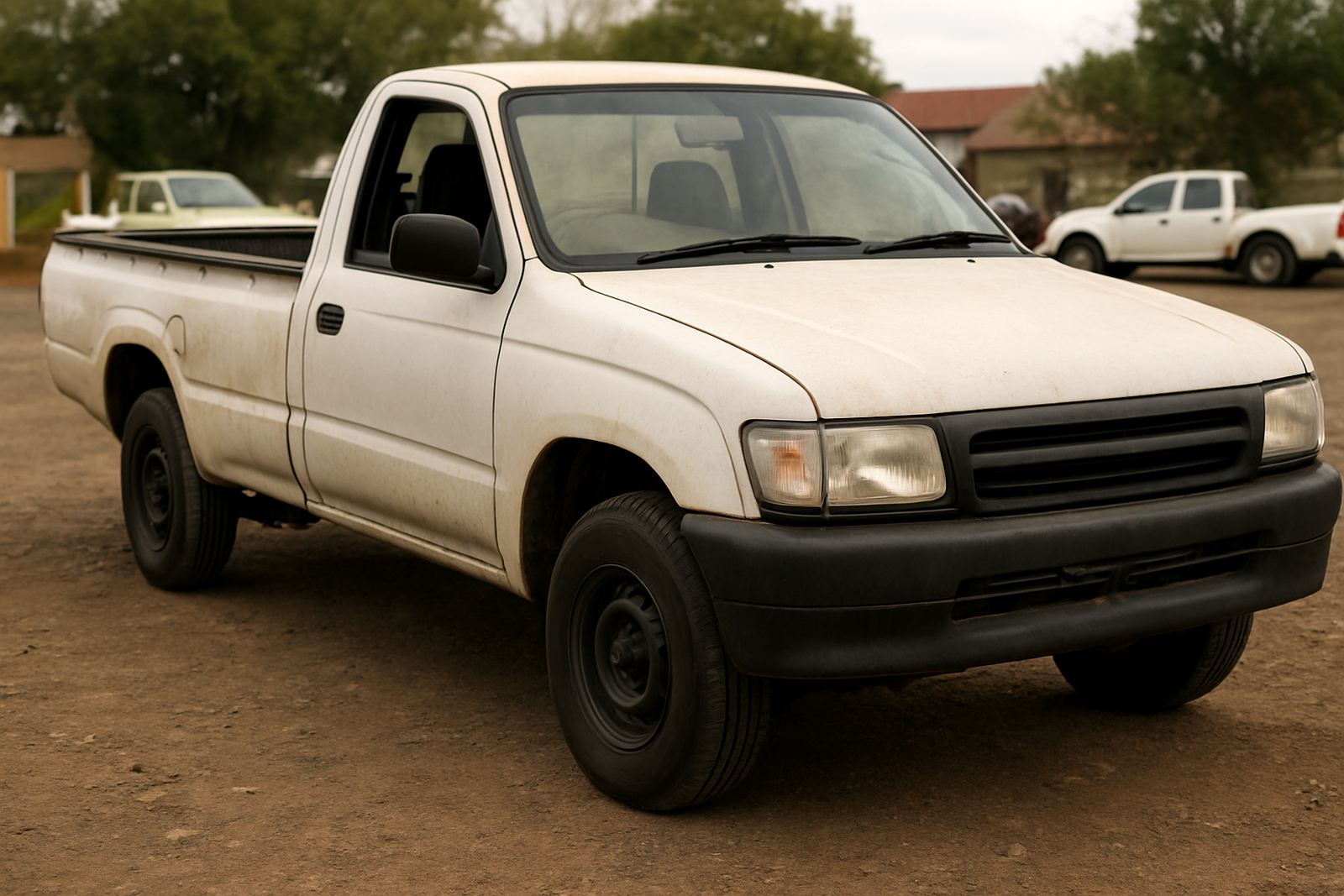
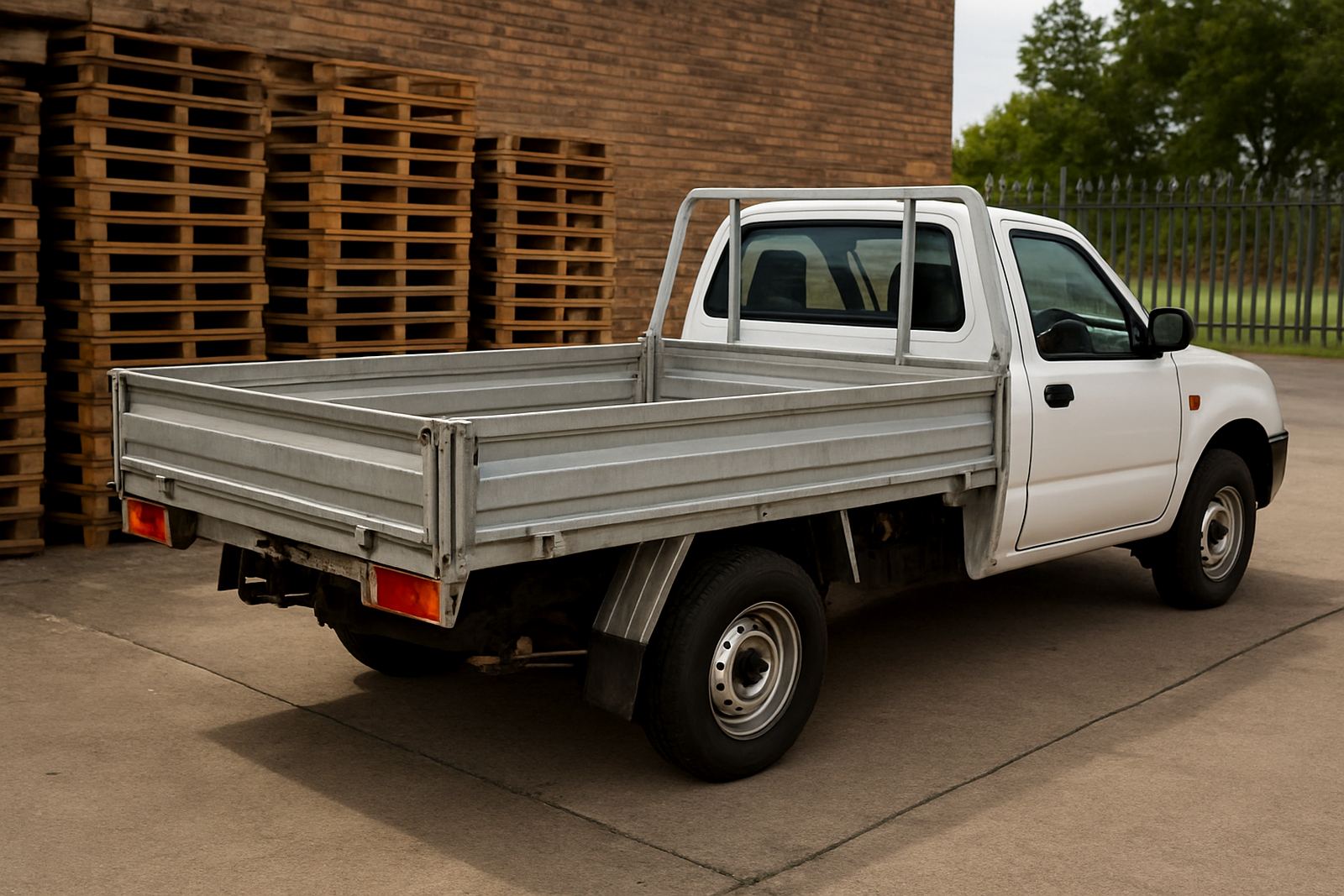
A dropside bakkie has hinged side panels that open down, making it much easier to load and unload from the side with a forklift, by hand, or with a small crane where fitted. Most used units come as single cab or extended cab bakkies, with steel load bodies suited to builders, farmers, contractors and delivery work. They are popular where you need quick access to the tray, not just rear loading.
In South Africa, these bakkies suit mixed use: urban deliveries in Johannesburg and Pretoria, farm runs outside Polokwane, municipal work in Bloemfontein, and coastal jobs in Durban where salt air can be hard on steel. The main advantage is simple access, but you still need to check the tray structure, hinges and locks carefully, because wear on a working vehicle can hide under old paint or a quick respray.
Common Sizes, Tray Options and Carrying Setups
Most dropside bakkies are built on light to medium duty bakkie chassis and come in a few practical tray lengths. Common body sizes include about 2.4 m, 2.7 m and 3.0 m, depending on wheelbase and chassis. Tray width often sits around 1.8 m to 2.0 m, while side wall height is usually 300 mm to 600 mm. Some have steel headboards, rear gates that drop fully, and stake pockets for added side height.
When ordering, look at how the load will be tied down and whether the tray needs a flat floor, mesh sides or a canopy frame. If you haul loose feed, rubble or bagged materials, a deeper side wall can help. If you move longer items like timber or piping, a longer tray with fold-down sides is more useful than a taller but shorter body.
- Single cab units usually give the best load space for the money.
- Extended cab units suit tools and crew plus moderate carrying needs.
- Steel trays handle hard use better than light alloy options, but weigh more.
- Fold-down side panels make fork loading easier and faster.
Best Uses for Builders, Farmers and Delivery Work
Dropside bakkies suit buyers who need a vehicle that can handle rough loading without making the process slow. Builders use them for bricks, cement, roofing sheets and scaffolding parts. Farmers use them for feed, fencing supplies and harvested produce. Delivery teams use them for bulky, non-fragile goods where fast access matters more than a closed load box.
They also work well for private sellers who need a vehicle for weekend projects, garden waste, bakkie loads from a hardware shop, or moving equipment between properties. In coastal towns, regular washing is worth the effort because salt and damp air can speed up rust, especially on hinges, latches and the underside of the tray. If the bakkie will be standing outside during power cuts or overnight at a site, ask about battery condition, alarm draw and whether the body fittings are still secure.
- Construction and renovation work
- Small-scale farming and feed transport
- Hardware, courier and local delivery jobs
- Plant hire support and maintenance crews
Power, Fitments and Installation Needs
A used dropside bakkie does not need gas or a special power supply for normal operation. The body itself is mechanical, with hinges, latches and loading gates. What may need power are added extras such as a hoist, work lights, reverse alarm or an auxiliary socket for tools and charging. If the vehicle has been fitted with a tow bar, compressor, canopy frame or tool box, ask how these were mounted and whether the wiring was done neatly and safely.
For buyers using the vehicle on municipal or construction sites, it helps to confirm compliance with load securing rules and whether the tray height or added rails still allow safe access. Any custom work should be checked for rust, cracked welds, bent stanchions and loose bolts. A straight tray with solid mounting points is worth more than one that looks neat but flexes under load. That can become a real problem on bad roads or when loading at an angle.
Checks To Make Before You Reserve A Dropside Bakkie
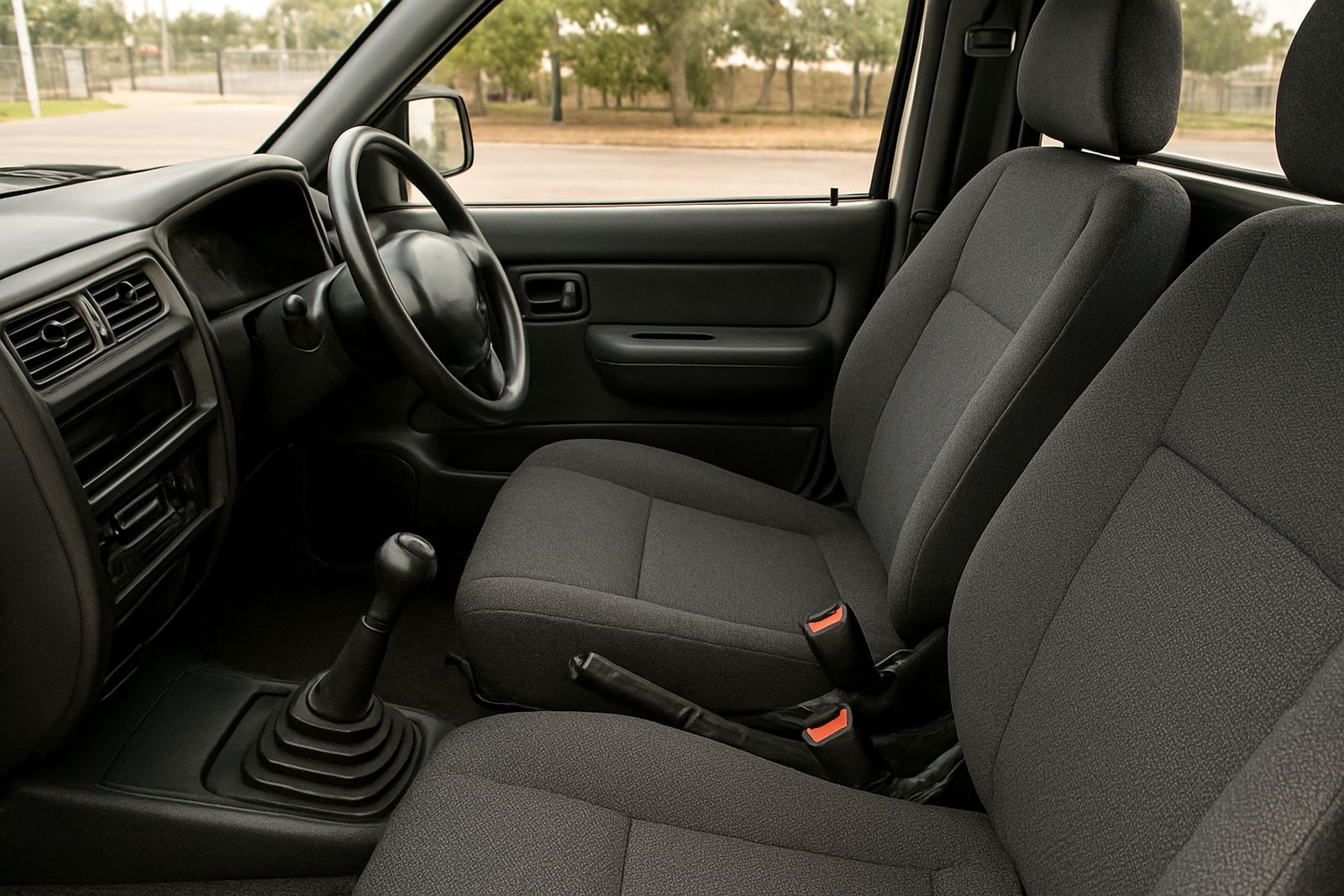
Before you buy, inspect the full vehicle and not only the tray. A dropside bakkie can look tidy from ten metres away and still need money spent on suspension, tyres or structural repairs. Check the chassis for accident damage, the cab for water ingress, and the tray for patch repairs, uneven floor plates or signs of overload. If the bakkie has been used on gravel or mine access roads, inspect the leaf springs, shackles and underbody for wear.
- Tray length, width and side wall height
- Gross vehicle mass and payload suitability
- Hinge action, latch condition and lock points
- Tyre tread, spare wheel and wheel alignment
- Service history, accident history and licence papers
- Signs of rust on the tray, cab mounts and chassis
We also recommend checking whether the bakkie starts easily after standing, especially if it has been parked for long periods. Cold starts, smoke, steering pull and brake noise are all worth noting. A little detail now can save a buyer a lot later, especially on a working vehicle that has already done proper shifts.
Care, Servicing and Daily Use Tips
Good care helps a used dropside bakkie stay dependable. Wash the tray and underside regularly, tighten loose fasteners, and grease the hinges and latch points. If the vehicle works near the coast or in wet conditions, touch up chips quickly before rust spreads. On the mechanical side, keep to normal service intervals for oil, filters, brakes and suspension, and do not overload the tray just because it is open and looks ready for it.
For longer life, spread loads evenly across the floor and use proper tie-down points. Avoid dragging pallets across painted steel if you can help it, because the surface will wear faster than people expect. If a tarpaulin or ladder rack is fitted, check it after windy days and after long trips on the N3 or R21. A quick weekly walk-around is usually enough to catch small issues before they turn into costly downtime.
How Buy Those Helps Buyers and Sellers Find the Right Fit
Buy Those works with private sellers and dealers across Kempton Park, Johannesburg, Pretoria, Polokwane, Bloemfontein, Durban, East Rand and Centurion. Our team can assist with vehicle listings, buyer matching, price guidance, pre-sale inspections, condition reporting, viewing arrangements, collection coordination and delivery arrangements. That makes it easier to match a dropside bakkie to the work it needs to do, without wasting time on unsuitable options.
If you are comparing two or three used units, ask for clear photos, load body measurements and a proper condition report. Our aim is to help buyers make a practical choice and help sellers present the vehicle honestly. Whether you need a light-duty bakkie for local runs or a hard-working tray for regular site use, the details matter and so does the follow-through.
Key facts
| Body type | Used dropside bakkie with hinged side panels and rear loading gate |
|---|---|
| Typical tray length | About 2.4 m to 3.0 m |
| Typical tray width | About 1.8 m to 2.0 m |
| Side wall height | About 300 mm to 600 mm |
| Cab options | Single cab and extended cab |
| Typical uses | Building materials, feed, tools, equipment and general haulage |