Getting the first vehicle right when cash is tight
New operators usually start with one clear job in mind, such as local deliveries, rubble removal, garden services, moving goods between warehouses, or light construction support. The pressure is to buy quickly and keep the monthly spend low, but a bargain that misses the mark can cost more in tyres, fuel, downtime and repairs. We work with private sellers and dealers across South Africa, from Kempton Park and the East Rand through Johannesburg, Pretoria, Polokwane, Bloemfontein and Durban, so start-ups can compare options without wasting days chasing leads.
For a small business, the right used bakkie or trailer should be simple to service, easy to load, and suitable for the roads you actually use. If you are operating in townships, on farm roads, or around industrial areas like Spartan, the inspection matters just as much as the asking price. Power cuts can also affect how you work after hours, so buying something dependable and easy to keep running is a practical choice, not a luxury.
- Single-cab bakkies for heavier loads and basic work
- Double-cab bakkies when the crew needs to travel too
- Braked or unbraked trailers for deliveries, debris or tools
- Flat deck, enclosed or utility trailer setups depending on the job
Typical equipment set for a start-up fleet
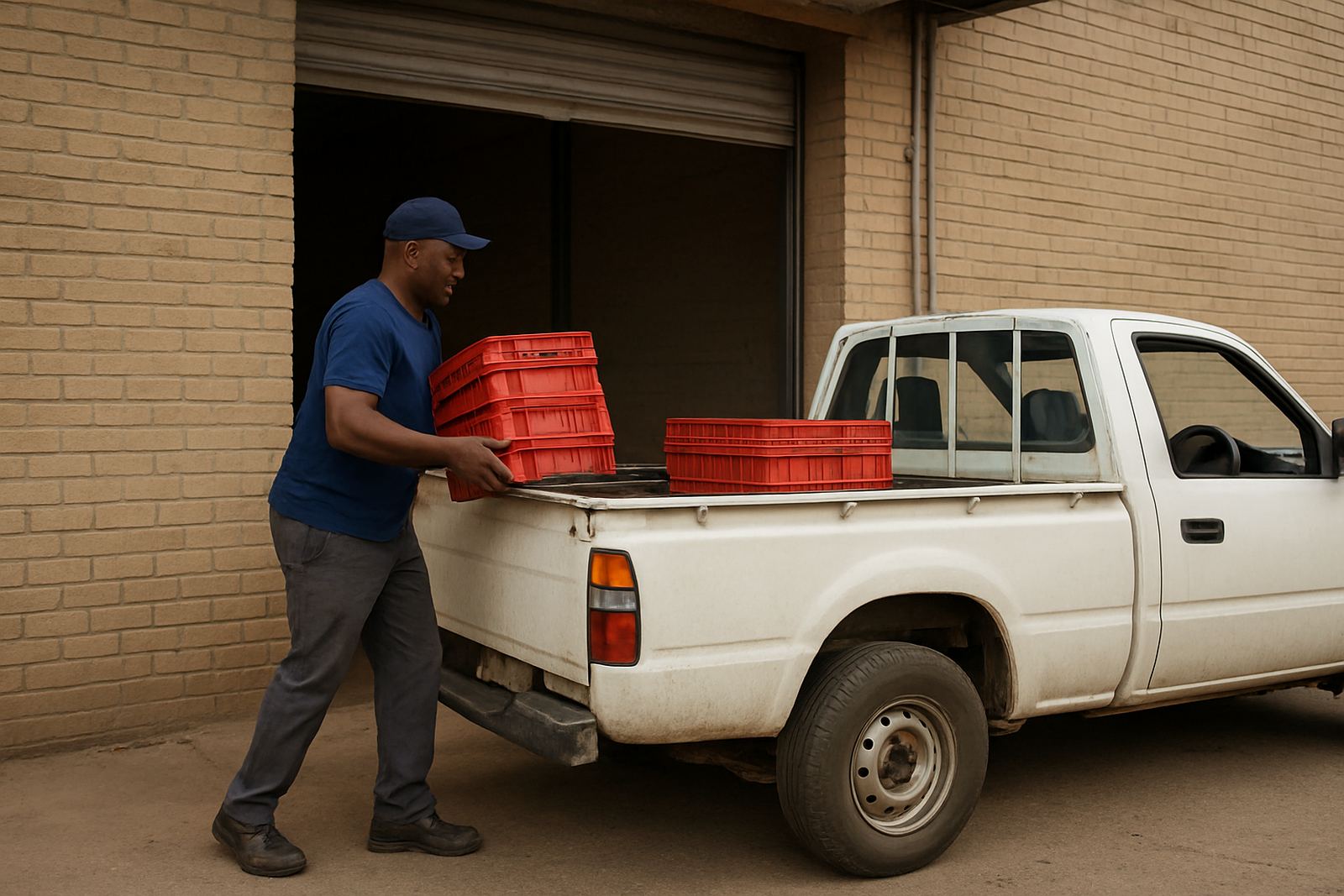
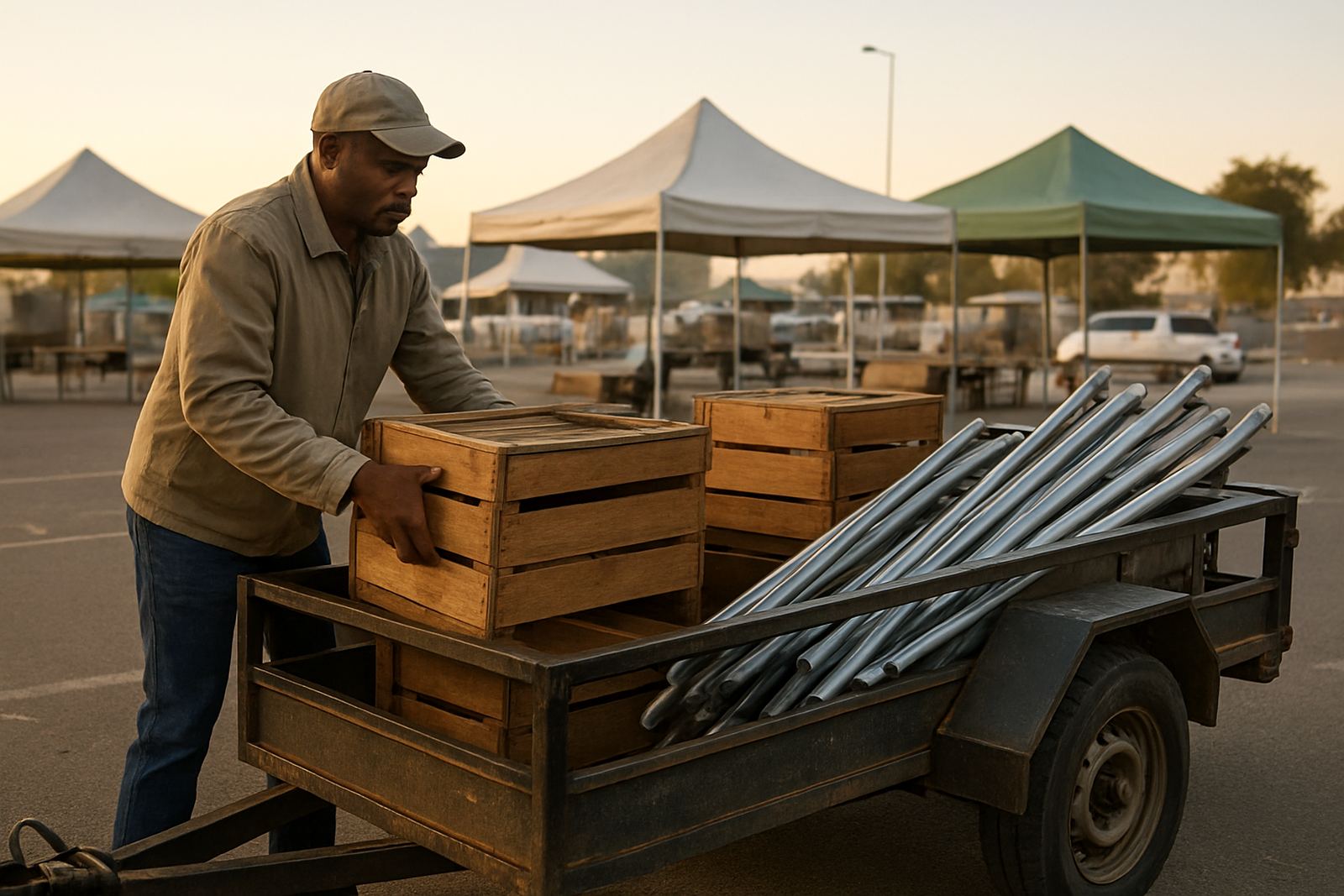
Most start-up operators do not need a large fleet. A common first purchase is one used bakkie with a trailer, or two smaller vehicles if the work includes more than one site. The choice depends on payload, parking space, and whether the business is more about transport or labour. For example, a cleaning company may need a bakkie for staff and equipment, while a furniture mover may do better with a trailer that can take larger items without buying a bigger vehicle.
We often see buyers look at vehicles with sensible mileage, a serviceable load box, and tyres that still have life in them. In coastal areas like Durban, rust and electrical wear need extra attention because humidity can shorten the life of body panels and wiring. Inland, the focus is often suspension, clutch wear and how the vehicle handled regular stop-start use. A proper condition report helps you see which unit suits your work and which one will need cash soon after purchase.
- Bakkie payload suited to your product weight, not just the size of the load box
- Trailer length and width matched to your gate access and storage space
- Spare wheel, tow equipment and basic safety items checked before handover
- Any canopy, cage or side rails assessed for usable condition
Layout and planning advice before you buy
Before you commit, map out where the vehicle will park, where it will be loaded, and how often it will need to enter tight residential streets or busy loading bays. A start-up that works from a home base in Centurion may need a different setup from one that loads near the CBD in Johannesburg or delivers in Polokwane where routes can be longer. Think about whether the vehicle needs to carry tools, stock, staff, or all three.
Start with the numbers that matter: load size, fuel use, servicing needs, and monthly running costs. If the business depends on daily turnarounds, downtime is expensive, so a simpler vehicle with a clean inspection report may be better than a fancier unit with extras you dont need. For trailer buyers, measure the access point at your base and the turning room on site. Too many first-time buyers overlook that detail and end up with equipment that is sound on paper but awkward in practice.
Common mistakes start-up operators make
The biggest mistake is buying based on appearance alone. Fresh paint can hide past damage, and shiny fittings do not tell you anything about the chassis, brakes or suspension. Another common error is underestimating the total cost after purchase. Licensing, roadworthy requirements, minor repairs, tyres, and towing gear can push the spend up quickly if you did not plan for them.
We also see buyers choose the wrong vehicle size. Too small and the business makes extra trips, which burns fuel and time. Too large and the operator struggles with parking, narrow streets, and fuel bills. Some buyers skip the viewing and inspection step because they are under pressure to move fast, but that is where a proper condition report saves money. A seller may be honest, but an independent check still gives you a clearer picture.
- Do not buy only on price without checking chassis and suspension condition
- Do not ignore tyre age, brake wear and signs of accident repair
- Do not assume a trailer is road-ready just because it tows
- Do not stretch cash so far that servicing and licensing become a problem
Budget ranges that make sense in Rand
For many start-up operators, the budget is quoted per job for a basic older trailer or a very simple used bakkie that still needs work. quoted per job, buyers can usually look at better-presented units with a stronger service history and fewer immediate repairs. If the business needs a cleaner, more dependable vehicle with lower day-one risk, it is sensible to look a quoted price depending on the age, condition, body type and usage history. Ask for a quote
There is no single correct number because a workhorse for local collections in Pretoria will not be the same as a delivery unit running across Durban or long distances between towns. The right budget also depends on whether you are buying one item or setting up a small pairing of bakkie plus trailer. We help with price guidance so you can compare asking prices against condition, not just mileage.
- A quoted price: entry-level, often older and likely to need attention Ask for a quote
- A quoted price: practical for many start-ups wanting value and working condition Ask for a quote
- A quoted price: stronger choice for businesses that need lower risk Ask for a quote
How Buy Those supports first-time operators
Our team in Spartan, Kempton Park works on vehicle listings, trailer listings, pre-sale inspections, buyer matching, photo packages, condition reporting, viewing arrangements, collection coordination and delivery arrangements. That means a start-up can ask for help with the full process instead of trying to manage every step alone while still running the business. Zama Modise handles sales direction, Sarel Terblanche inspects vehicles, Kopano Gxowa manages buyer liaison, Morne Botha coordinates logistics, Andiswa Kekana keeps listings organised, and Nompumelelo Sekhukhune supports clients through the enquiry process.
For new operators, the value is in seeing options that fit the job and the budget, then arranging the next step without confusion. Whether you need a bakkie in Johannesburg, a trailer in Bloemfontein, or delivery into Durban, we keep the process practical and straightforward. It is a simple approach: check the vehicle, confirm the use case, and get it to where it needs to be, on time and ready for work.
If you are starting small, buy for the work you have now and leave room for the work you want next. That keeps the business moving without tying up cash in the wrong equipment.