What delivery teams need from stock
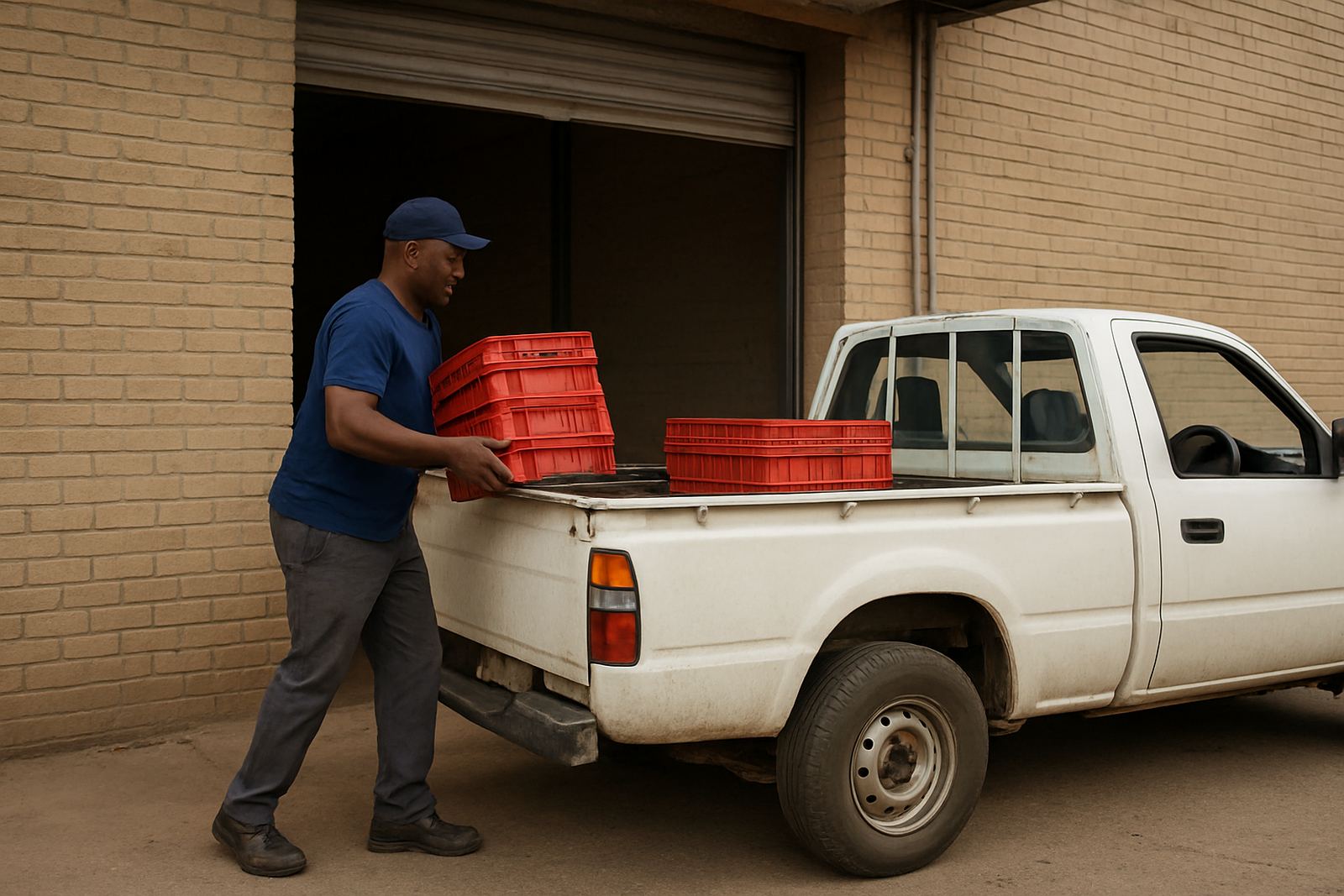
Delivery teams usually want vehicles that are easy to load, light on fuel and simple to keep moving when schedules are tight. For city runs around Kempton Park, Johannesburg or Pretoria, a single-cab or extended-cab bakkie often works well for mixed stop-and-go use, while a small trailer can add capacity without moving into a larger vehicle budget.
The right choice depends on what gets moved each day. Parcel teams may need a clean load bay with tie-down points, while stock runners often want a canopy, lockable bin or trailer box. If you work near warehouse parks, industrial areas or retail centres, ground clearance and turning circle also matter. A vehicle that looks cheap on paper can become costly if it is awkward to park, slow to load, or spends too much time in the workshop.
- Single-cab bakkies for heavier loads and regular courier work
- Extended-cab or double-cab units for mixed crew and cargo use
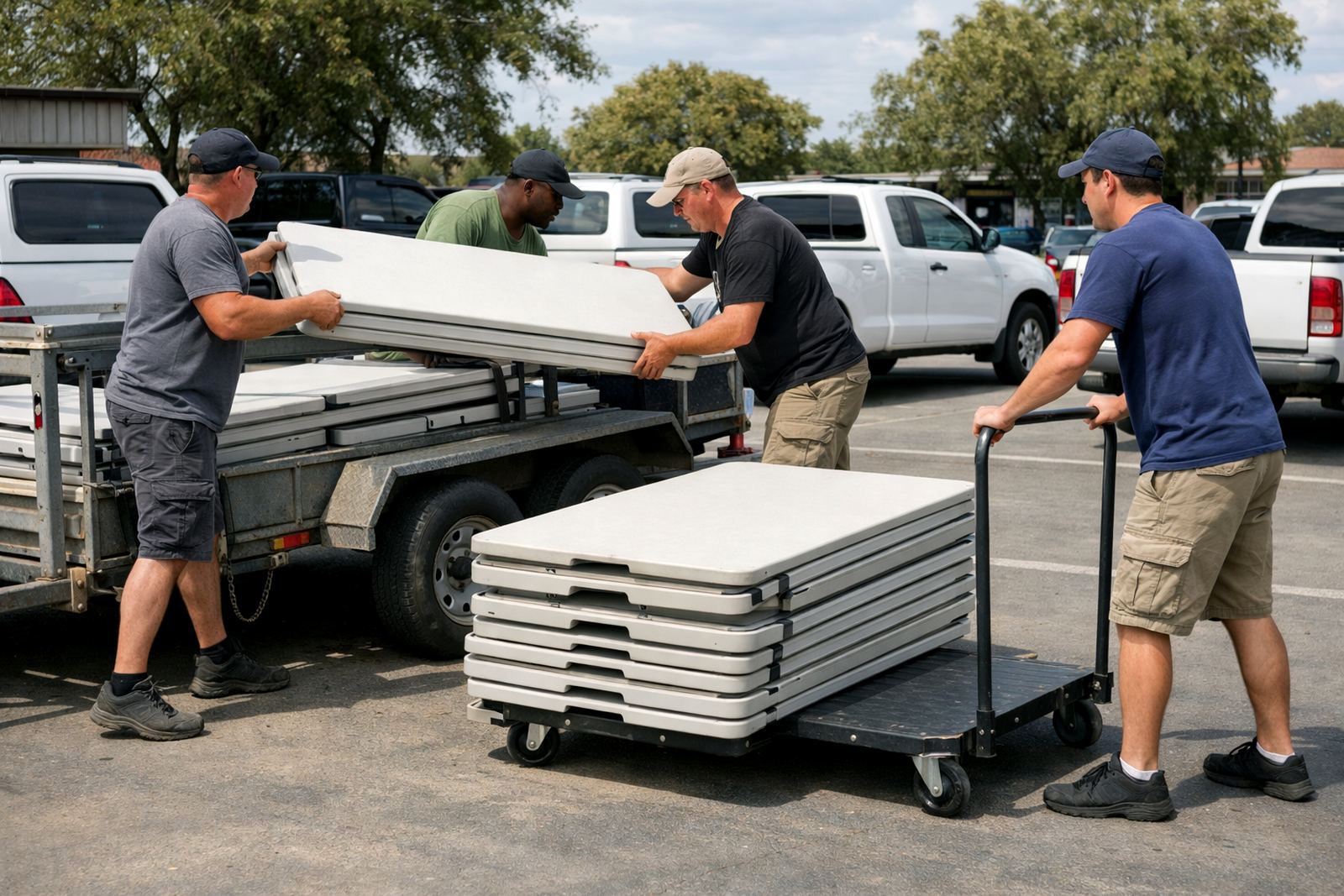
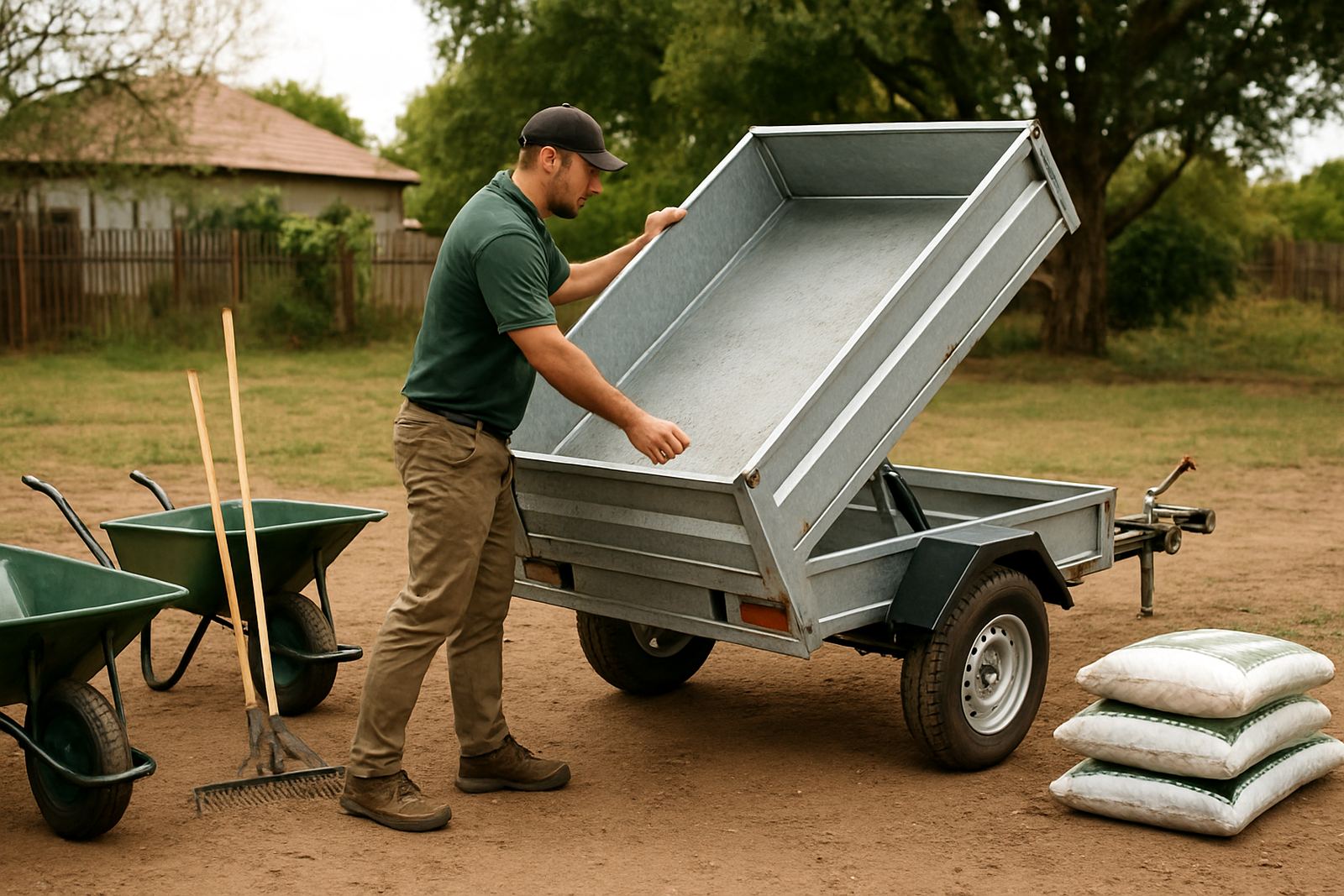
- Box trailers for stock runs and secure storage
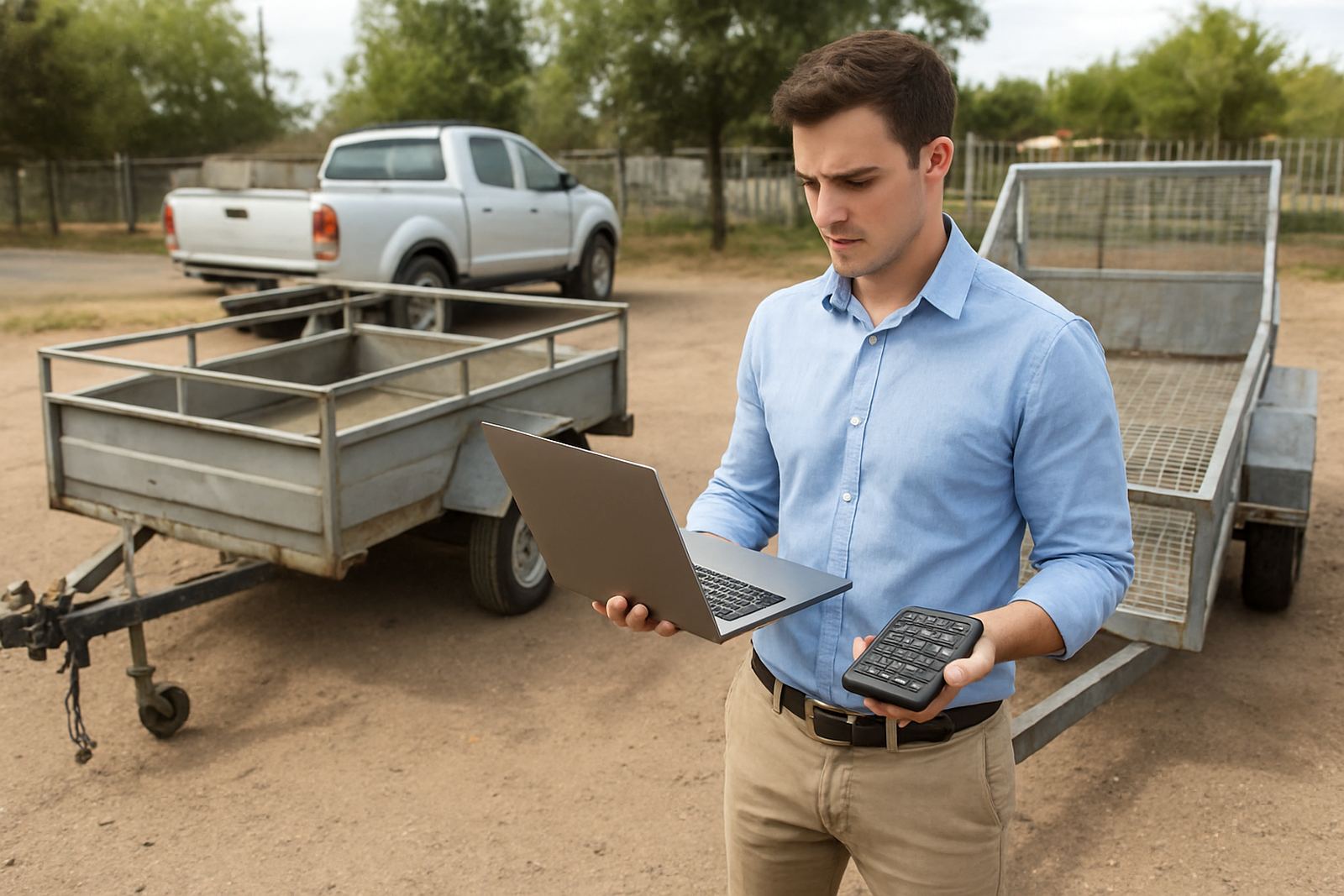
- Flatbed trailers for bulky goods, crates and equipment
- Canopies, tonneau covers and tie-down rails for weather protection
Typical equipment set for route work and drop-offs
Most delivery teams do better with a practical package than with a flashy setup. A used bakkie with a service history, a towbar and decent tyres is often enough for daily use. If the team makes customer drop-offs in office parks, estates or small businesses, a trailer can help separate clean stock from returned items, which keeps the load area organised.
In coastal areas like Durban, check for rust around the load bin, towbar and trailer frame. In Gauteng, look closely at suspension wear and brake condition because stop-start use and rough loading can put stress on older vehicles. Air conditioning is worth paying for in summer, and a working charging point matters if drivers use handheld devices or route apps through the day. Power cuts can also affect dispatch timing, so it helps if the vehicle is ready to leave as soon as stock is loaded, not after a long delay.
- Good tyres with matching tread depth for stable road holding
- Working brakes, lights and indicators for night deliveries
- Load restraints, hooks or rails to stop cargo shifting
- Canopy locks or trailer locks for security at stands and depots
- Clear dashboard warning lights and a clean cold start
Layout and planning advice for efficient routes
When a delivery team chooses stock, the layout of the load area should match the order of the route. Place the first drop near the rear or the easiest access point, and keep repeat stock, paperwork and handover items in separate containers. That saves time at each stop and reduces mistakes. A messy load bay can cost a team more than a slightly higher purchase price ever will.
For businesses working across Johannesburg, Centurion, Pretoria and the East Rand, consider how often the vehicle must enter tight streets, complexes or commercial basements. A smaller bakkie may be easier to park than a long-wheelbase unit, especially in places where bays are narrow. If the route includes Polokwane, Bloemfontein or longer intercity runs, fuel range and cabin comfort become more important. Plan for this before buying, because the wrong size vehicle will show up in fuel spend and driver fatigue very quickly.
- Map the daily route before choosing bin size or trailer length
- Keep fast-moving stock closest to the loading point
- Use numbered crates or labelled tubs for multi-drop runs
- Allow space for returns, empty packaging and signed documents
- Check access height for parking garages, gates and low entrances
What common mistakes push delivery budgets up
One of the biggest mistakes is buying on price alone. A cheaper used bakkie with worn suspension, poor braking or a tired gearbox can cost far more after a few months of route work. Another mistake is choosing a vehicle that is too small, then adding extra trips every day. That adds fuel, labour and time, and the savings disappear quickly.
Some teams also ignore the way stock is packed. If loose items move around the load bin, damage claims rise and the driver wastes time sorting things at each stop. If the vehicle is used for both stock runs and customer drop-offs, it needs to stay presentable. Bad paintwork, broken trim or a cracked tailgate can create the wrong impression at a business address. It sounds small, but customers notice these things.
Finally, many buyers forget about local conditions. Coastal humidity can speed up corrosion. Gravel access roads around industrial areas can be hard on tyres and wheel bearings. In urban areas, repeated short trips are tough on batteries and cooling systems. The best used stock is the one that fits the job, not just the monthy budget, and that rule saves money over time.
Budget ranges that make sense in Rand
Budgets vary by age, condition, body type and whether the vehicle includes extras such as a canopy or trailer setup. For delivery teams, the useful part is not chasing the lowest figure but matching spend to daily workload and repair risk. A well-kept older unit can still serve a local route well, while a newer one may suit a team with higher mileage and tighter service expectations.
As a guide, many small delivery operations look at used bakkies from about R90 000 to R220 000 for basic route work, depending on condition and mileage. Neater, later-model stock is quoted per job. Used trailers are quoted per job for simple units and can move past a quoted price for enclosed or more specialised setups. If you need inspection, price guidance, viewing arrangements or delivery coordination, the final number should include condition and logistics, not just the asking price. Ask for a quote
It is worth setting aside a reserve for tyres, a service, registration costs and any immediate fixes after purchase. A buyer who plans for those items usually ends up with a better working vehicle and less downtime in the first month.
How Buy Those supports delivery team buying
Buy Those works with private sellers and dealers to match delivery teams with used bakkies and trailers that suit route work, stock runs and drop-offs. Our team in Spartan, Kempton Park handles listings, inspections, buyer matching, price guidance and delivery arrangements across Johannesburg, Pretoria, Polokwane, Bloemfontein and Durban. If you need a vehicle for a single van-style route or a mixed fleet with trailers, we help narrow the options before you spend time on viewings.
For delivery-focused buyers, the important part is condition reporting that shows how the vehicle will hold up under daily use. We also help with viewing arrangements and collection coordination so the buying process stays practical. If you are comparing units for a team in Centurion, the East Rand or further afield, this approach keeps the search organised and reduces guesswork.
- Vehicle Listings and Trailer Listings for delivery-ready stock
- Pre-Sale Inspections and Condition Reporting
- Buyer Matching and Price Guidance
- Viewing Arrangements and Seller Support
- Collection Coordination and Delivery Arrangements