When One Unit Is Not Enough, Consistency Matters
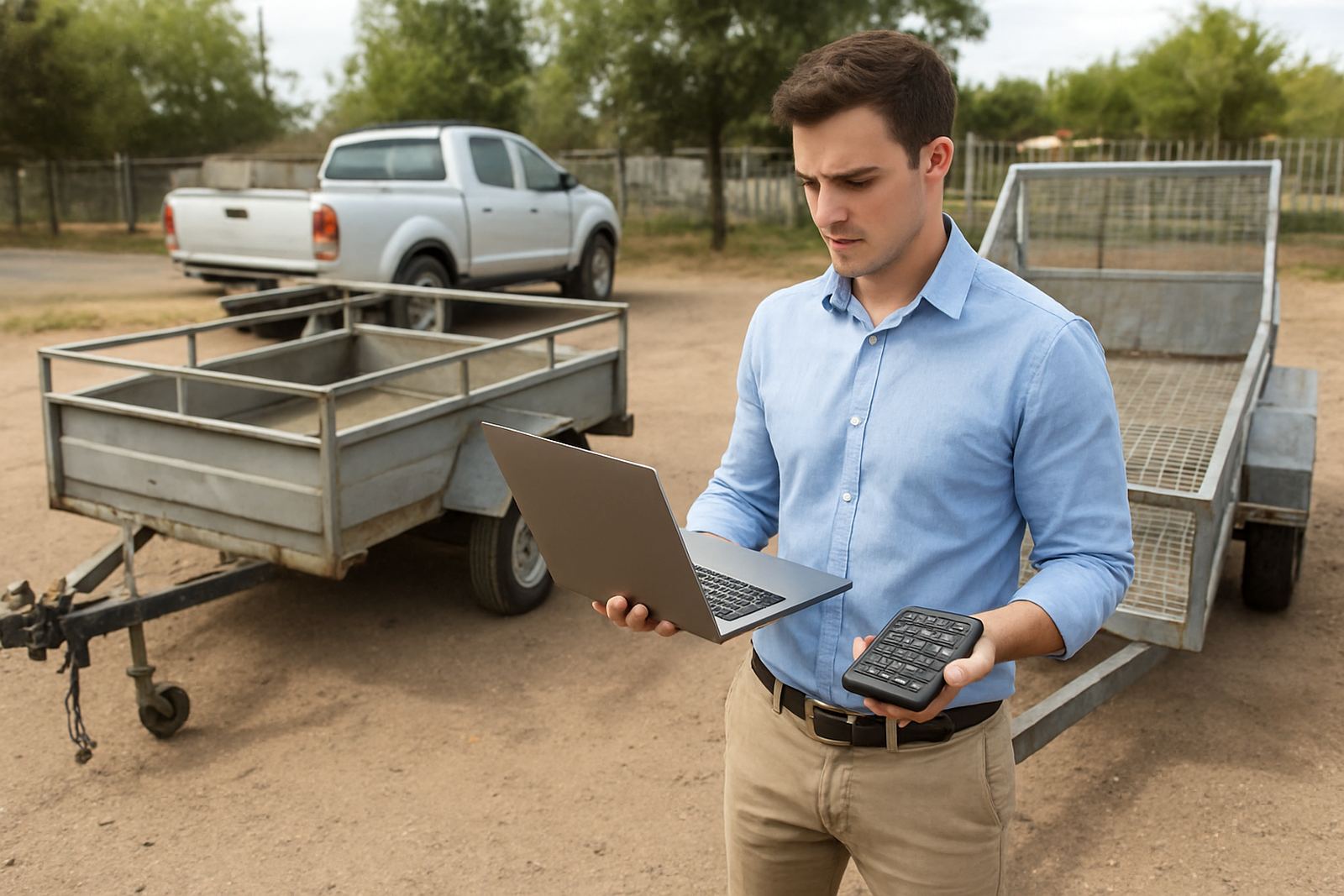
Fleet purchasing is not about finding the cheapest bakkie on the day. It is about lining up a set of vehicles that can be deployed across branches, sites or delivery routes without constant surprises. Whether you are buying 3 units for a small contractor or 30 units for a national operation, the same questions apply: do they carry the same load, wear tyres evenly, and come with paperwork that supports a clean handover?
Fleet buyers often work to tight replacement cycles, tax rules and internal approvals. That means every listing needs to be checked for mileage, panel damage, load body condition, trailer size and whether the unit still suits the job in Gauteng heat, coastal humidity in Durban or rougher roads on regional routes. A mixed fleet can cost more in maintenance and fuel than it saves at purchase, so consistency is worth more than a single bargain price.
Typical Fleet Mix For Bakkies And Trailers
Most fleet buyers are looking at work-ready used bakkies and trailers that can be deployed quickly. Common requirements include single cab and double cab bakkies, half-ton and one-ton models, drop-side trailers, enclosed trailers, flatbeds and utility units for tools or stock. Some fleets also need tow bars, canopy fitment, ladder racks or reinforced loading areas for municipal work, service teams or site visits.
We help buyers compare units on the details that affect daily use, not just the listing price. That includes tray length, tow rating, tyre condition, brake status on trailers, service record gaps and whether the vehicle has signs of heavy coastal use or repeated overloading. If a fleet must carry equipment between Kempton Park and Pretoria every day, or between Durban and Pietermaritzburg, the right set-up matters more than a nice photo.
- Single cab bakkies for cargo focused use and easier loading
- Double cab units where staff transport and tool space must be balanced
- Trailers for building materials, deliveries or mobile service work
- Units with similar year bands for simpler maintenance planning
How To Plan A Fleet Purchase Without Mixing Standards
A proper fleet plan starts with the route and the load, then the budget. If the vehicles will spend most of the week in Johannesburg traffic, fuel economy and clutch wear become important. If they will move between Polokwane farms or Bloemfontein industrial sites, ground clearance and suspension condition matter more. For trailers, think about axle type, floor condition, brakes, lighting and whether the load will be covered or exposed to weather.
It also helps to set a standard before you buy. Agree on minimum tyre tread, acceptable mileage bands, maximum accident repairs and the number of spare keys, then keep that standard across all units. A fleet that is all over the place creates admin headaches at service time and can slow down deployment when someone needs a replacement vehicle. One missing detail can hold up a whole purchase order, so the layout and plan should be fixed early.
- Set mileage and age limits before viewing starts
- Decide on one payload range or trailer size band
- Confirm whether your team needs inspection notes for internal approval
- Allow for registration, roadworthy, fitment and transport costs
Inspection Points That Save You Money Later
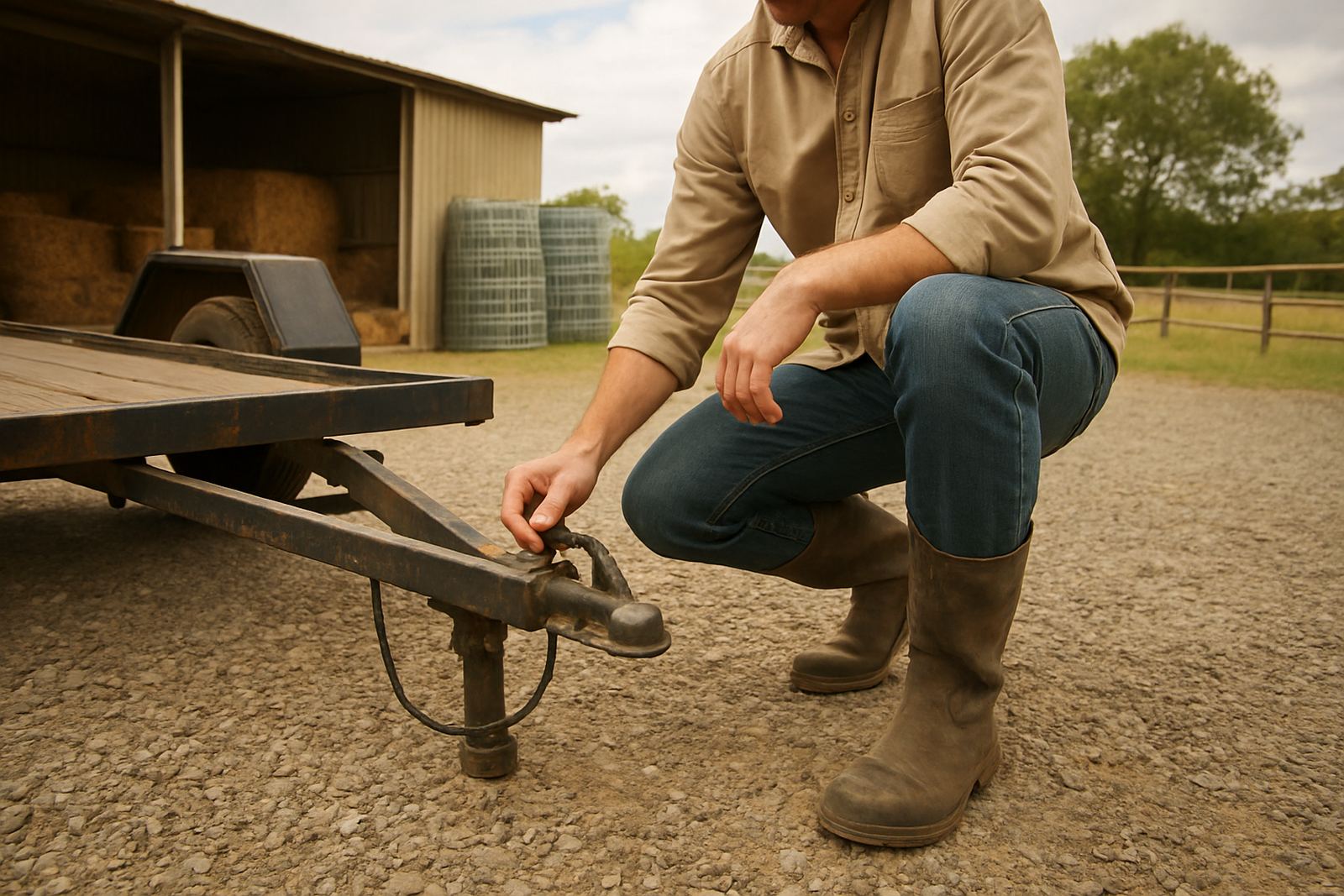
Fleet buyers are usually not short on options, they are short on time. That is why inspections need to focus on items that affect running cost and reliability. Look closely at service history, signs of poor maintenance, rust around tray mounts, leaking seals, chassis damage, broken load fixtures and mismatched tyres. On trailers, check the drawbar, coupler, lights, wheel bearings and floor condition because small faults become downtime very quickly.
Our pre-sale inspections and condition reporting help buyers compare vehicles on the same scale. That makes it easier to shortlist units for a branch in Centurion, a depot in East Rand or a delivery team in Durban. If you are buying several vehicles at once, condition notes should be standardised so the final decision is based on facts and not guesswork. That saves time and usually keeps the pricng inside budget.
- Prioritise structural condition over cosmetic shine
- Check for uneven tyre wear, which can signal suspension or alignment issues
- Confirm paperwork matches the vehicle, trailer plate and seller details
- Ask for clear photographs of load areas, seats, underbody and engine bay
Budget Ranges For Fleet Buyers In Rand
Fleet buyers usually want a realistic range before they request final approvals. In the used market, a basic work bakkie may start in the lower tens of thousands if it has higher mileage or visible wear, while cleaner, later-model units can move into the mid-hundreds of thousands depending on make, condition and fitment. Trailers vary widely too, with simple utility units priced far below enclosed or heavy-duty options. The bigger the fleet, the more important it becomes to allow for delivery, licensing and repair contingencies.
A practical fleet budget should not stop at the selling price. Allow for roadworthy checks, replacement tyres, load body repairs, branding removal, minor electrical fixes and transport between towns. If you are moving units to Bloemfontein or Durban, delivery can affect the final comparison more than a small difference in the asking price. We help buyers compare total spend, not just the sticker amount, so each unit can be deployed with fewer delays and fewer surprises.
Matching Sellers, Viewing Arrangements And Delivery
Fleet buying often involves more than one seller, more than one location and more than one decision-maker. Buy Those assists with buyer matching, viewing arrangements, collection coordination and delivery arrangements so the process stays organised from first enquiry to handover. That matters when a buyer is managing multiple branches or trying to replace units before month-end, because delays affect operations quickly.
Our base in Spartan, Kempton Park puts us close to the main transport routes through Gauteng, and we work with private sellers and dealers across Johannesburg, Pretoria, Polokwane, Bloemfontein and Durban. For fleet buyers, the goal is to keep the process practical: clear listings, direct comparisons, firm inspection notes and transport plans that suit the day the vehicles must be on site. If you need a matched set of used bakkies or trailers, the buying process should feel organised, not rushed.