What a 4x4 bakkie gives you on the ground
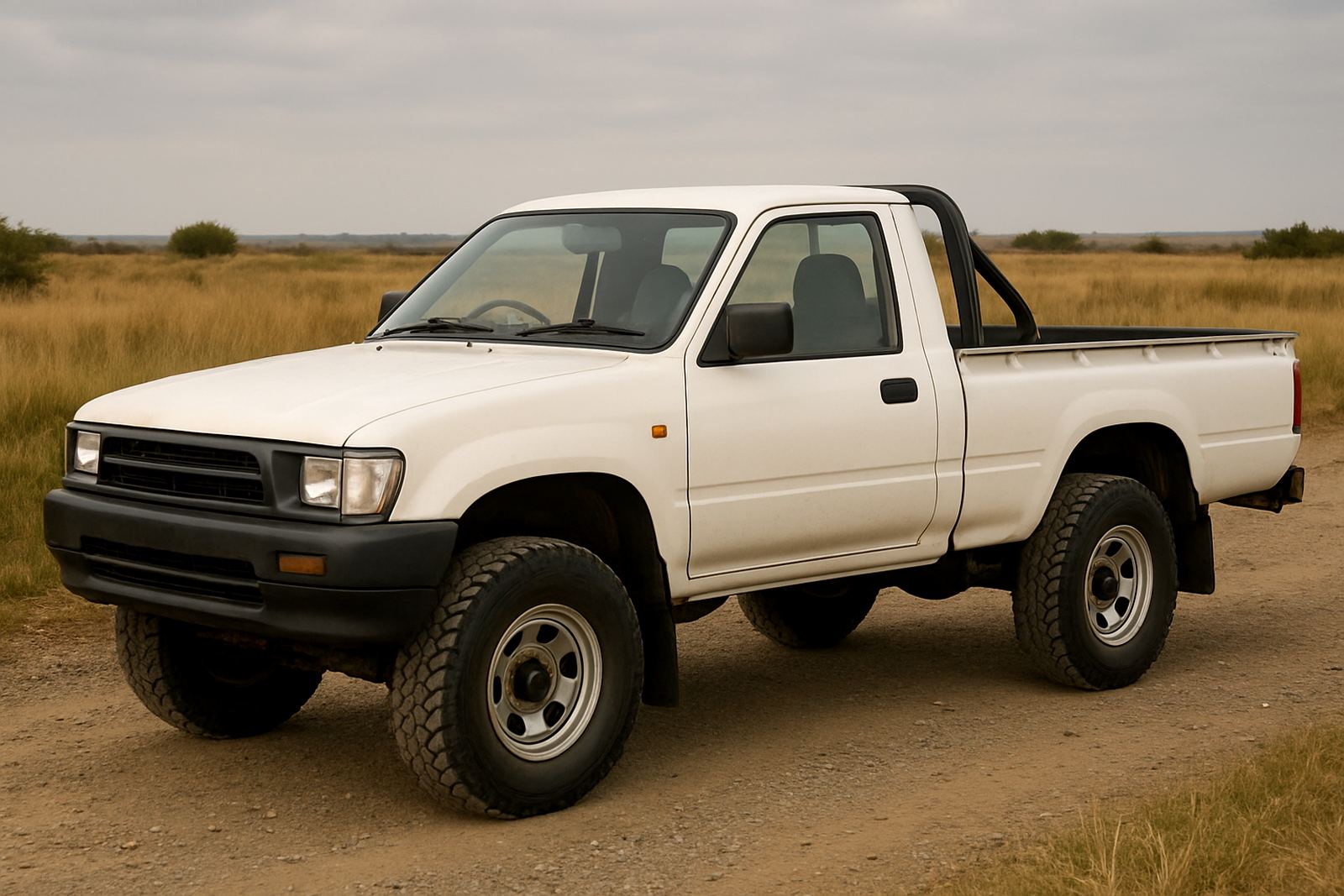
A 4x4 bakkie is built to keep moving when a 2x4 starts spinning, bogging down or scraping out on uneven ground. It gives you drive to all four wheels, usually with a low-range transfer case for slower, controlled crawling over ruts, stones, mud and loose sand. For farms, municipal work, game lodges and off-road contractors, that extra grip can make the difference between getting the job done and waiting for recovery. It also helps on steep driveways, wet grass and coastal roads where the surface can change quickly.
Most used 4x4 bakkies on our listings are double cab, extended cab or single cab units, with manual or automatic gearboxes and diesel engines common in the heavier work range. Buyers often look for models with a tow bar, nudge bar, canopy or load bin liner, but the key point is still the condition of the drivetrain. A good 4x4 system should engage cleanly, without bangs, warning lights or hesitation and the steering should stay true on tar and gravel.
Cab sizes, load bins and the right setup for your work
Choosing the right body style matters as much as choosing the right engine. Single cabs generally offer the longest load bin and suit fencing crews, builders and farmers who carry tools, feed, spares or stock handling gear. Extended cabs give a bit of extra enclosed space behind the front seats for bags or kit, while double cabs work better if you need to carry a crew and still keep a usable bin. If your work involves daily site travel, school runs, or mixed business and family use, the double cab is often the practical choice.
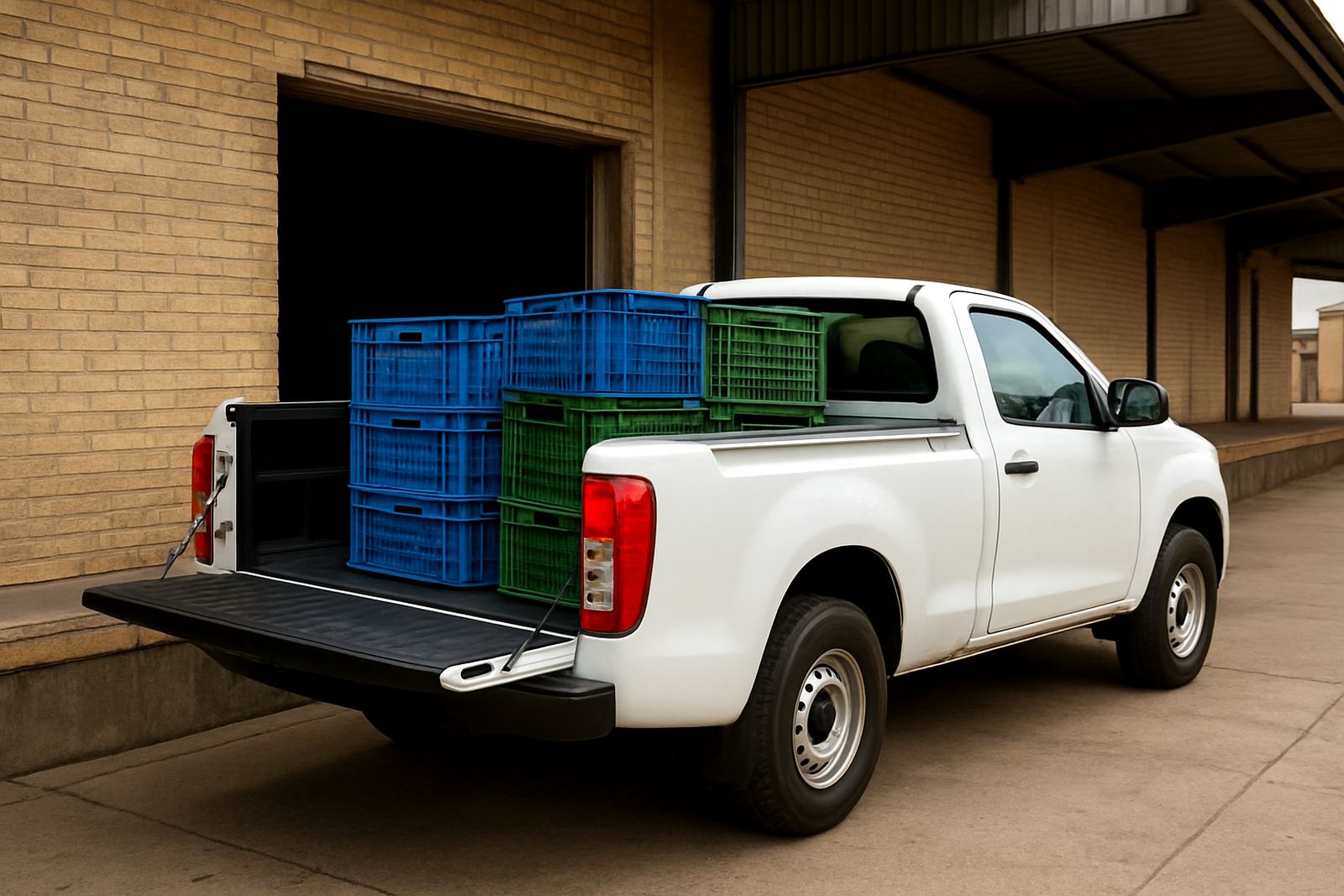
Load bin sizes vary by model and cab type, but as a guide you can expect roughly 1,500 mm to 2,300 mm in bin length depending on the body style. Payload is just as important as bin space, so always check the legal carrying limit and not only the size of the tray. A bakkie that looks bigger can still be the wrong match if the suspension is tired or if the rear axle has been overloaded for years.
- Single cab: best for maximum bin length and payload focus
- Extended cab: useful for light crew carry and secure storage
- Double cab: better for mixed use, family travel and site teams
- Short wheelbase options: easier to turn in tight yards and farm roads
- Long wheelbase options: steadier with heavier loads and towing
Where used 4x4 bakkies suit best in South Africa
We see strong demand for these vehicles in Johannesburg, Pretoria, the East Rand, Centurion, Polokwane, Bloemfontein and Durban, plus outlying farming and industrial areas. In Gauteng, many buyers want a bakkie that can handle construction access roads, mud after rain and the stop-start strain of daily business use. In Limpopo and the Free State, rough farm entrances, long distances and loose surfaces are a bigger concern. Along the coast, Durban buyers often look for stronger body condition because salt air can speed up corrosion on older vehicles.
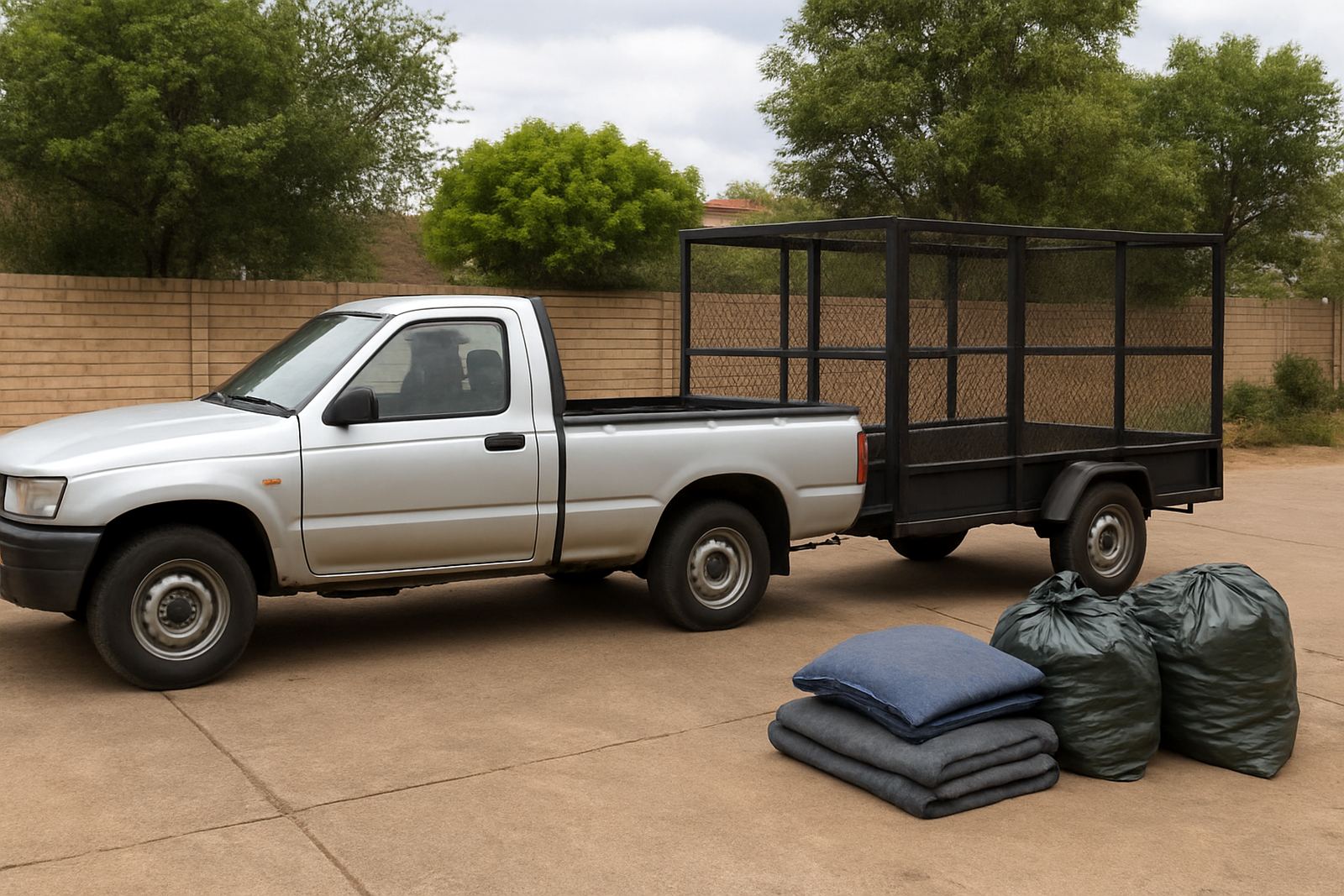
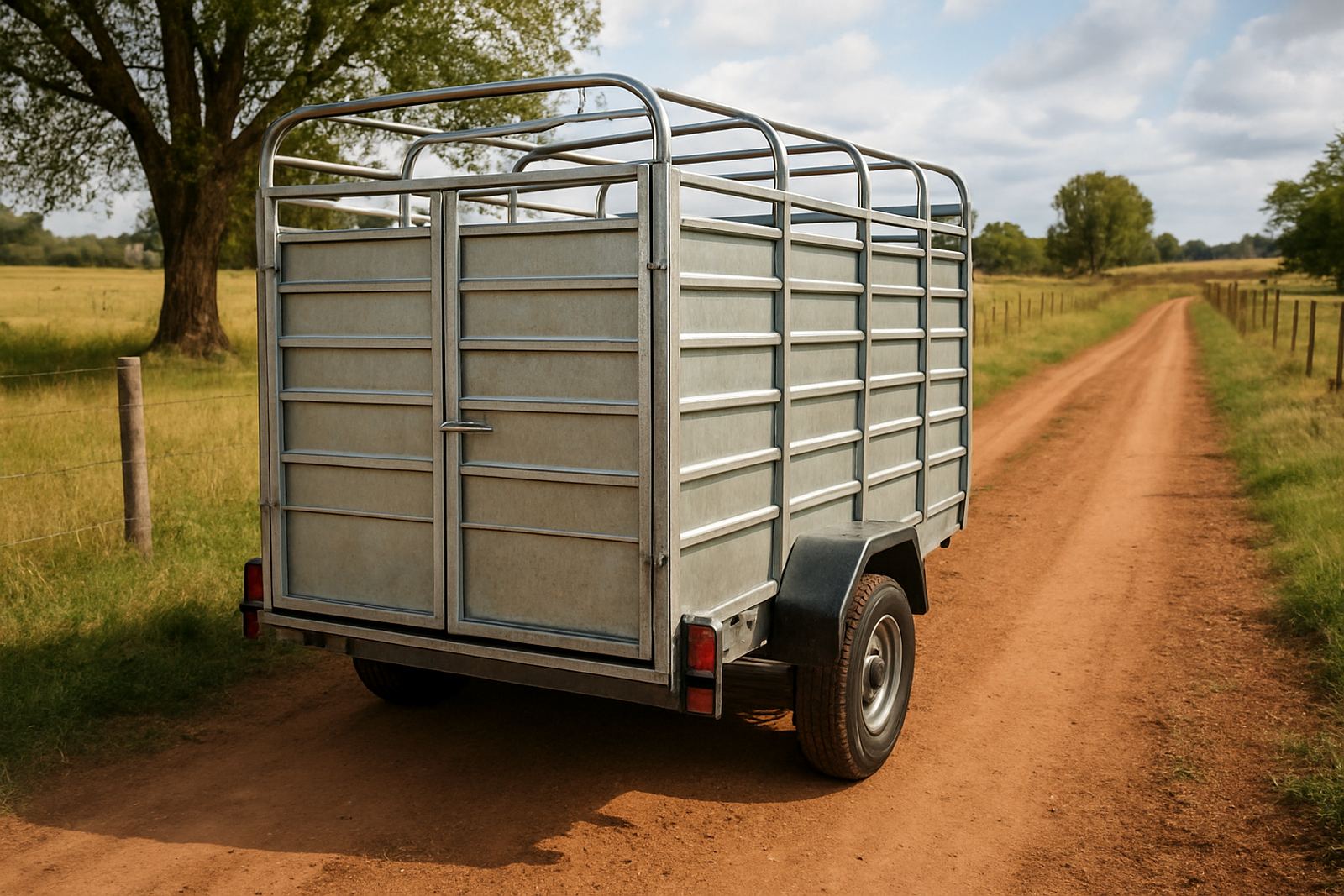
For anyone running a small business, a 4x4 bakkie can also reduce downtime when delivery routes, driveways or loading points are not ideal. It is not only for off-road driving. Some buyers need a vehicle that can tow a trailer, move materials and still cope with a delivery run across town. Others want one machine for work during the week and family use on weekends. That is where the right balance of cab space, towing capacity and fuel consumption really counts.
Power, fuel use and the features buyers ask for
Used 4x4 bakkies are commonly listed with diesel engines ranging from about 2.2 litres to 3.2 litres, although petrol options do appear on some models. Diesel is usually preferred for torque at lower revs and better towing manners, especially on hills, gravel and soft ground. Fuel use depends on tyre size, load, gearbox and how the vehicle has been driven, but buyers should budget for higher consumption than a standard 2x4 bakkie. Expect more when the vehicle is fitted with all-terrain tyres, a canopy, roo bar or heavy accessories.
Many buyers also ask for a diff lock, hill descent control, dual range gearing, side steps, a tow bar and underbody protection. These features are useful, but they should be checked for function not just presence. A switch on the dash does not mean the system is working properly. If the vehicle has been used on farms or in wet areas, check for worn bushings, damaged brake pipes and water ingress around the cab floor and door seals.
- Typical engine size: 2.2L, 2.4L, 2.5L, 2.8L or 3.2L
- Common drivetrain: part-time 4x4 with high and low range
- Useful extras: tow bar, diff lock, canopy, tonneau cover, spotlights
- Tyres: all-terrain or mud-terrain options depending on use
Inspection points before you place an order
Before you buy, ask for a proper pre-sale inspection and condition report. On 4x4 bakkies, the basics are often not enough. You want to know whether the transfer case engages, whether the front hubs and suspension are sound, and whether the chassis has any signs of heavy impact or overloading. Rust, oil leaks, uneven tyre wear and vibration at speed can all point to bigger trouble. If the vehicle has a service history, check that the intervals make sense and that major work was recorded.
It is also worth checking the brakes, clutch, gearbox action and the condition of the load bin floor. A bakkie used for farm or construction work can look tidy from ten metres away but still need suspension bushes, wheel bearings or injector work. We also advise buyers to look at VIN and licence details, tyre age, spare wheel condition and whether the vehicle matches its paperwork. If there are accessories fitted, find out if they are road legal and secure.
- Engage 4x4 high and low range on a test drive
- Check for chassis rust, accident repairs and oil leaks
- Inspect tyres for even wear and matching size
- Confirm licence, VIN and engine numbers against the documents
- Review towing gear, bin condition and any added accessories
Care, servicing and keeping it ready for work
Servicing matters more on a used 4x4 bakkie because the vehicle often works harder than a city runabout. Regular oil changes, air filter replacement and gearbox and differential servicing help keep the drivetrain healthy. If the bakkie spends time in mud, dust or salty air, wash the underside and wheel arches properly and do not leave dirt packed around brake lines or suspension joints. Coastal humidity in places like Durban and the East Rand can be tough on exposed metal, so early rust treatment is worth it.
Tyre pressure should be set for the load and the surface, not left on one setting all the time. Under-inflated tyres can wear badly and overwork the vehicle, while over-inflated tyres reduce grip on gravel. If you use the bakkie for towing, make sure the trailer setup is within the legal limits and that the cooling system is in good shape. Small issues can grow fast on rough roads, and a missed service can become a costly repair later on.
Key facts
| Product type | Used 4x4 bakkies |
|---|---|
| Cab options | Single cab, extended cab, double cab |
| Drivetrain | Part-time 4x4 with high and low range on most units |
| Common engines | Diesel and petrol, typically 2.2L to 3.2L |
| Typical use | Farm access, towing, site work and off-road travel |
| Service support | Listings, inspections, price guidance, buyer matching and delivery arrangements |