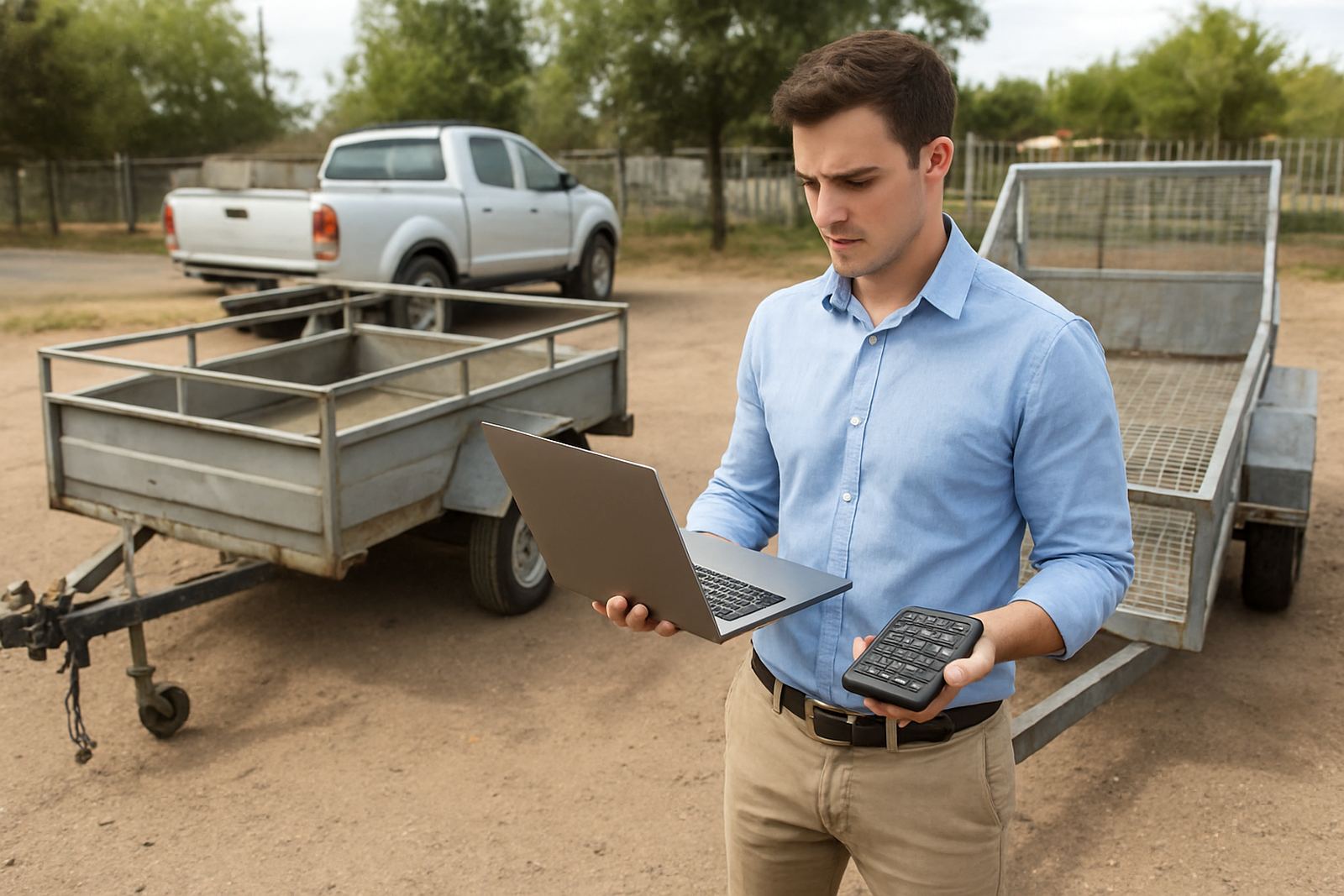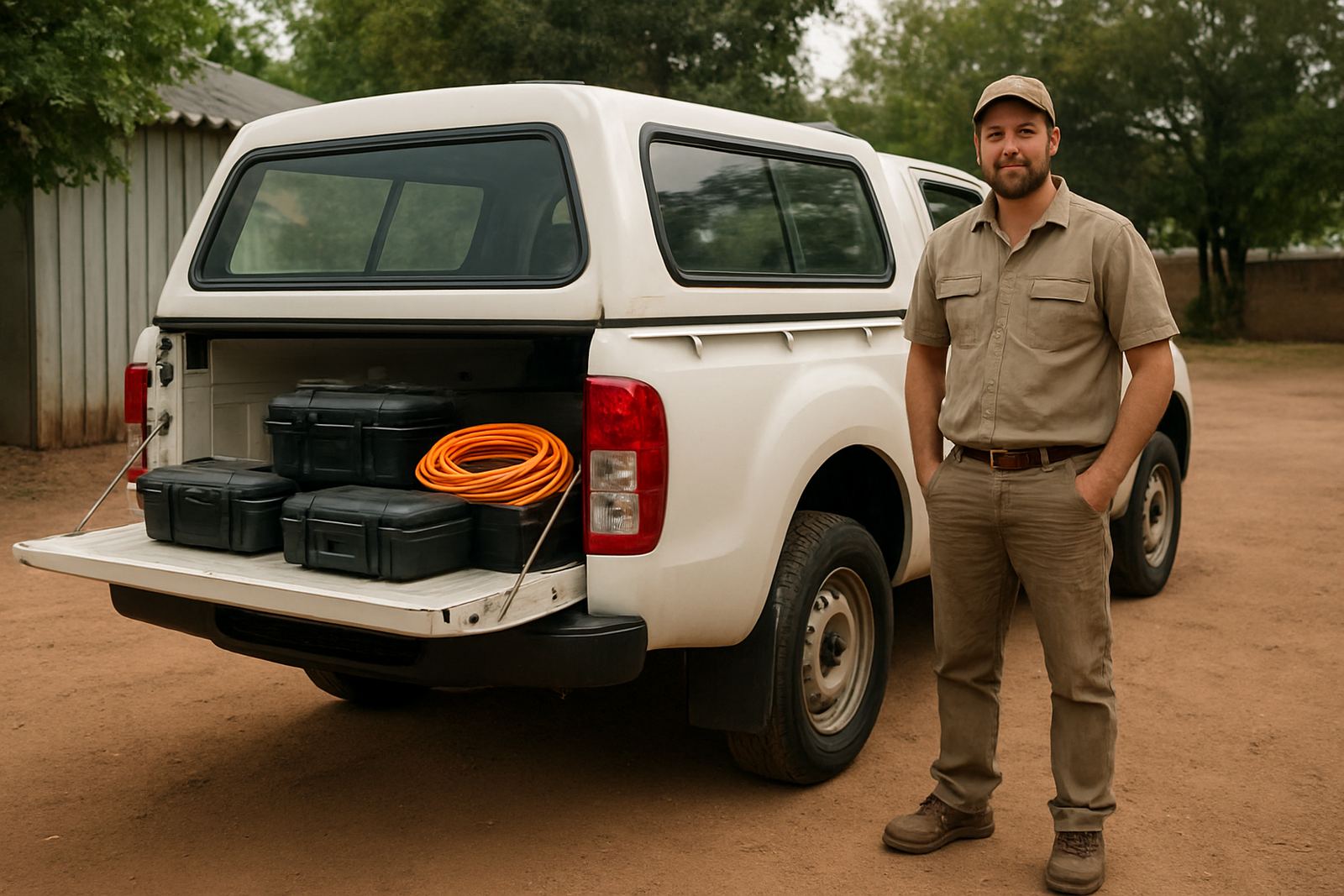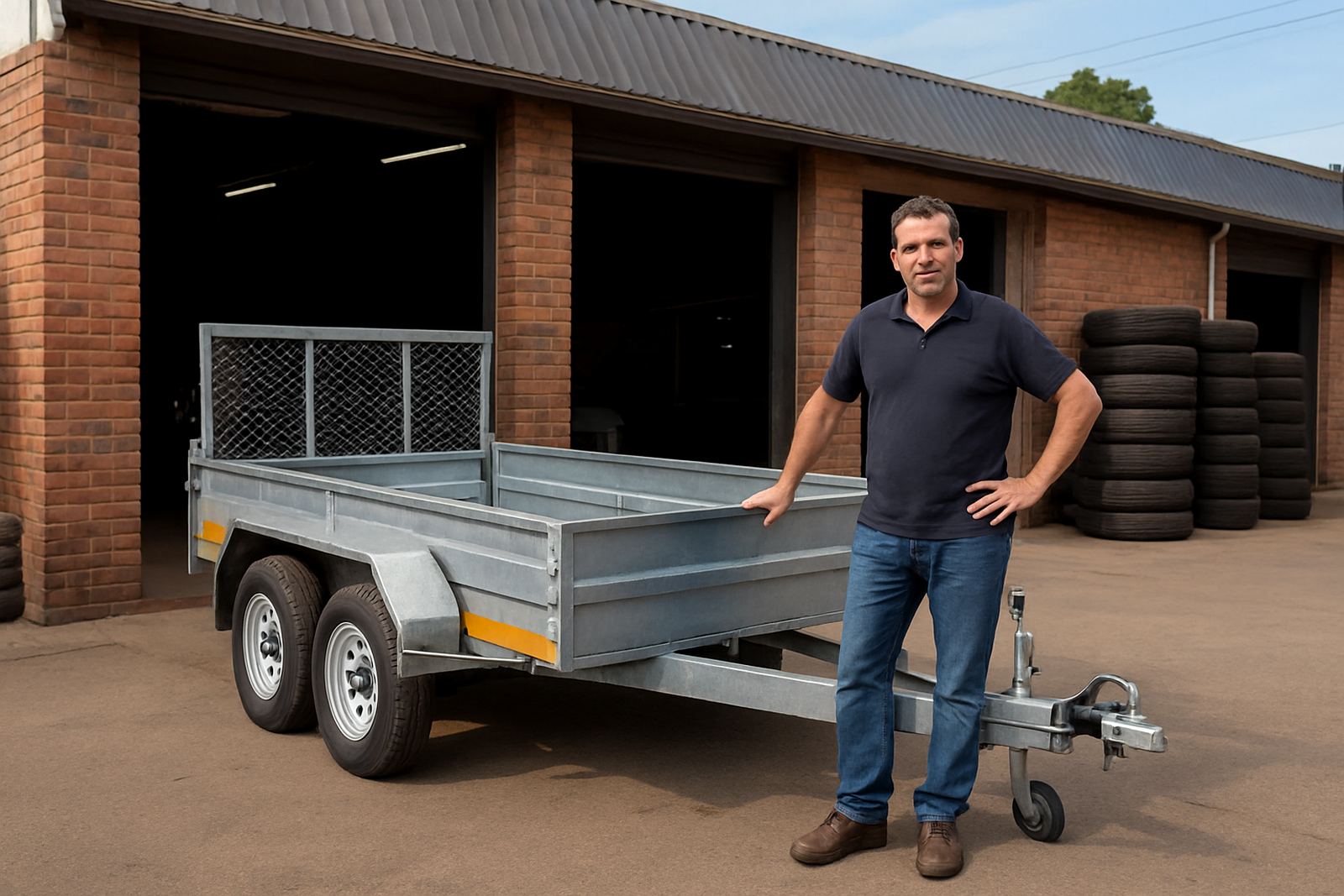
What workshop owners need from a work vehicle
For a workshop, a vehicle is not just transport. It is part of the job list, so it has to handle parts collection, battery runs, tool drop-offs, tyre work, mobile callouts and the odd tow to a yard or customer site. In Kempton Park, Johannesburg, Pretoria and along the routes into Polokwane or Durban, that means you need something that starts every morning, carries a proper load, and can still cope when traffic or weather slows the day down.
Most workshop owners look for used bakkies with a strong payload, a tow bar in good order, a clean service record where possible, and a body that has not been overloaded for years. Trailers are just as useful when the job involves loose parts, wheels, compressors, welding gear or scrap returns. A well matched setup saves time and cuts down on putting wear onto the wrong vehicle, which matter more when fuel and repairs are rising.
We help buyers compare options by use case, not just by badge or age. A simple single cab may suit parts runs and site work, while a double cab or enclosed trailer may be better if the vehicle also carries staff, tools and secure stock. The right choice depends on how much of your day is spent in traffic, on gravel, at industrial parks or under power cut pressure when a generator, inverter gear or emergency spares must move quickly.
Typical set-ups that work for busy workshops
Every workshop runs a bit differently, but there are common combinations that make sense for trade buyers. The aim is to keep the vehicle useful without overpaying for features you will not use. In many cases a good used bakkie and one practical trailer can cover most of the week.
- Single cab bakkie for parts runs, towing and light field support
- Extended cab or double cab for mixed use with staff and tools
- Flatbed trailer for bulky parts, scrap and machinery moves
- Enclosed trailer for tools, stock and weather-sensitive items
- Braked trailer where the tow load is regular or heavier
- Utility trailer with strong sides for mixed workshop cargo
If your workshop does mobile repairs, field support or towing assistance, look at load space, tie-down points and the condition of the rear suspension. A vehicle that is fine empty can become expensive once it starts working hard every day. For coastal areas like Durban, corrosion around the load bin, tow gear and underbody also deserves attention. Inland towns may have less rust, but dust and rough roads can still wear out suspension and wiring quicker than expected.
Planning the layout before you buy
Good planning saves money before the first payment is made. Start by listing what the vehicle must carry on a normal week, then note the largest job it must handle once a month. That tells you whether you need a flat load area, a canopy, a trailer, or a combination of both. It also helps you decide if one vehicle should be kept for parts collection only, while another handles on-site work.
Think about access too. A workshop yard with tight turning space in Centurion or an older industrial area in Johannesburg may suit a shorter wheelbase and easier parking. If the vehicle will go into estates, factory parks or municipal sites, check height limits, access gates and parking rules. Where the vehicle must stop in public space for loading, the secure placement of tools and parts becomes important because theft risk can be higher near busy roads and taxi ranks.
Keep a small allowance for practical extras such as a tow kit, spare wheel, load securing gear and service work before the first trip. It is cheaper to sort those items early than to discover a fault after a breakdown between appointments. A workshop vehicle should be ready for the day, not just cheap on paper.
Inspection points that matter for trade use
Used bakkies and trailers can offer real value, but only if they are checked properly before money changes hands. For workshop owners, the inspection must go beyond cosmetics. A shiny body means very little if the suspension is tired, the brakes are weak or the load area has hidden damage from years of carrying heavy stock.
We look closely at the items that affect daily work and safety. That includes engine starting, gearbox feel, clutch wear, brake condition, steering play, tyre life, tow bar mounting, trailer bearings and signs of accident repairs. Electrical faults are also important because work vehicles often run extra lights, chargers, radios or equipment that can drain the system when power cuts or short trips become part of the routine.
- Check for uneven tyre wear and suspension sag
- Confirm that the load area is not cracked or warped
- Inspect tow points, safety chains and trailer couplings
- Test lights, indicators and charging systems
- Look for water leaks into the cab or load space
- Review paperwork, licences and any outstanding issues
Condition reporting gives workshop owners a clearer picture of what they are buying, so you can budget for repairs and not guess. A missed fault can throw off a week of jobs, especially when the vehicle is meant to support customers who expect same-day movement or on site help.
Common mistakes workshop buyers make
One of the biggest mistakes is buying for the occasional job instead of the normal one. A vehicle that looks ideal for a towing emergency may be the wrong choice for daily parts runs. Another common problem is underestimating the running costs once the vehicle starts carrying tools, fuel cans, compressors or scrap metal. That extra weight adds wear, and it shows up in tyres, brakes and fuel use.
Many buyers also skip the planning stage and end up with a vehicle that does not fit the yard, the garage or the way their staff work. If the team has to shift gear by hand three times a day because the load space is awkward, the vehicle will slow the business down. It is worth asking who will drive it, who will load it and where it will stand after hours.
Another mistake is choosing the cheapest option without checking the real condition. A low price can hide repair bills that arrive soon after delivery. For workshop owners, that means lost time, missed callouts and stress for the whole team. Spending a bit more on the right vehicle often makes better sense than chasing a bargain that needs work from day one.
Budget ranges and buying strategy in Rand
Workshop owners usually want to know what a sensible budget looks like before they start looking. The right range depends on age, mileage, body condition and whether the vehicle has extras like a canopy, tow equipment or a good trailer build. As a guide, many practical used work bakkies are quoted per job, while stronger or later-model options can move higher depending on condition and setup. Ask for a quote
Used trailers can be a more affordable way to add capacity, with basic utility units are often quoted per job, while enclosed or braked trailers are quoted per job. It helps to think of the full cost, not just the asking price. Budget for licence fees, immediate servicing, tyres, safety items and any repairs needed before the vehicle goes into service. A little planning upfront avoids strain later. Ask for a quote
For workshops that operate across Johannesburg, Pretoria, Polokwane, Bloemfontein, Durban and the East Rand, delivery and collection planning also matters. A vehicle that is inspected properly and delivered on schedule can be put to work faster, which helps when the day is already full and jobs are stacking up. That practical approach is what keeps a workshop moving.