The Right Vehicle for Daily Work in South Africa
If you run a small business, the vehicle must earn its keep from the first trip. A used bakkie or trailer can be a smarter buy than a new unit when you need value, low running pressure and room for changing workloads. From Kempton Park to Pretoria, Johannesburg, Polokwane, Bloemfontein and Durban, many owners need something that can handle deliveries, site visits, garden work, building materials or market stock without a big monthly strain.
Buy Those works with private sellers and dealers across South Africa, helping you compare used bakkies and trailers that suit real business use. That means checking load space, towing needs, fuel spend, condition and whether the vehicle will fit your day-to-day routes. For many owners, the main question is not whether it looks neat, but whether it can work hard on Monday morning and still be ready for the next job on Friday.
Typical Setups That Fit Small Business Needs
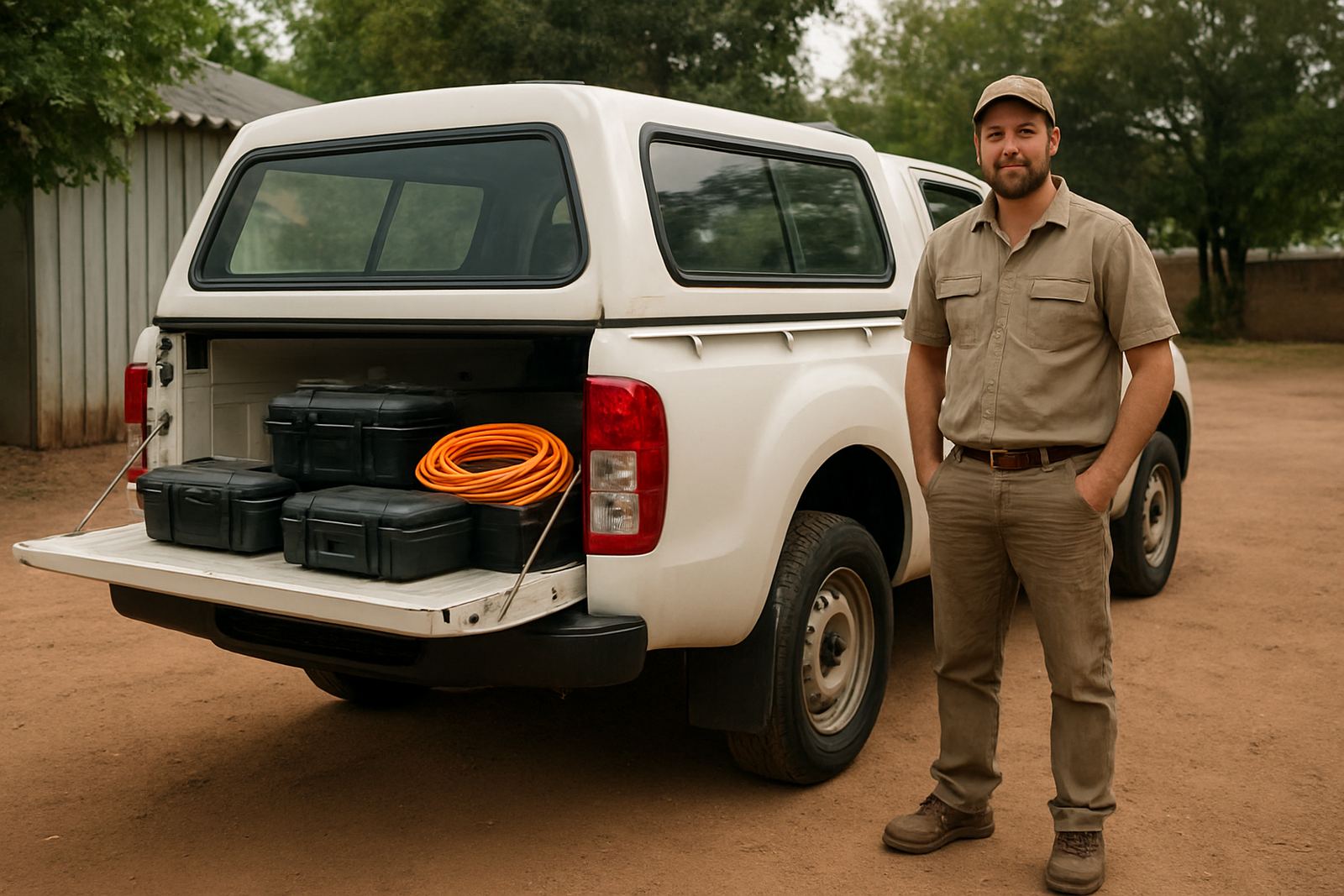
Small business owners often need a practical combination rather than a single perfect vehicle. A single-cab bakkie with a strong load bin works well for trades, deliveries and service jobs. A double-cab suits owners who carry a team and tools. A trailer is useful when you need extra space only some of the time, especially for seasonal stock or larger jobs that do not justify a bigger vehicle full-time.
- Single-cab bakkies for tools, bricks, pipes and general site work
- Double-cab bakkies for owner-driver use and small teams
- Enclosed trailers for stock, equipment and weather protection
- Open trailers for building supplies, garden waste and bulky loads
- Utility trailers for flexible day-to-day business use
In coastal areas like Durban, check for rust and water damage. In inland areas, dust and heat matter more, so seals, suspension and cooling systems should be part of the inspection. A good match depends on the job, not only the badge on the bonnet.
How to Plan Around Space, Weight and Access
Before you buy, measure what you carry now and what you may carry in six months. A lot of owners underestimate load size and overestimate how much space a bakkie bed will give once toolboxes, cages and tie-down points are fitted. If your work involves municipal areas or tight business parks, turning space and parking access matter too. A trailer may be the better answer when your premises have limited storage, or if you need to unload by hand in smaller batches.
Think about the full layout of your working day. Will one person load and unload alone? Do you need side access? Will the vehicle spend time on rough roads, pavements or construction sites? If you carry fuel cans, paint, perishable goods or electrical equipment, the layout should protect those items from heat, movement and theft. Small choices now can save a lot later, especially when power cuts affect your operating hours and you need to move quickly between jobs.
- Check whether your longest item will fit diagonally, not only lengthwise
- Allow for tie-down space so goods do not shift in transit
- Keep heavier items low and forward for safer handling
- Plan for a lockable storage box if tools stay on the vehicle overnight
Inspection Points That Matter Before You Commit
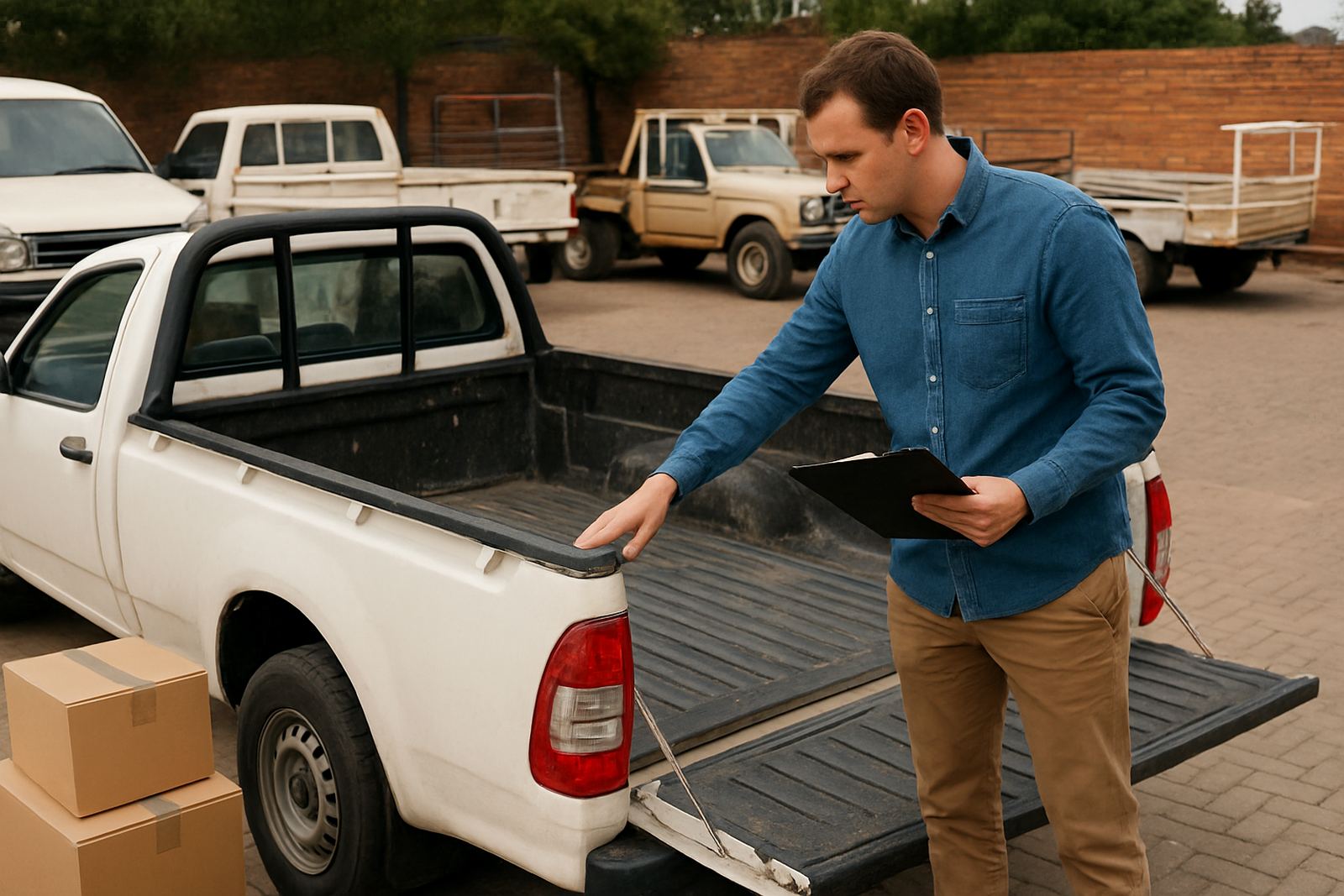
Used vehicles can be excellent value, but only if the condition is checked properly. For business owners, downtime is costly, so the inspection should focus on work readiness rather than cosmetics. Buy Those offers pre-sale inspections and condition reporting so you can judge what needs attention before you commit. That is useful whether you are buying for yourself or managing a purchase for a branch in another town.
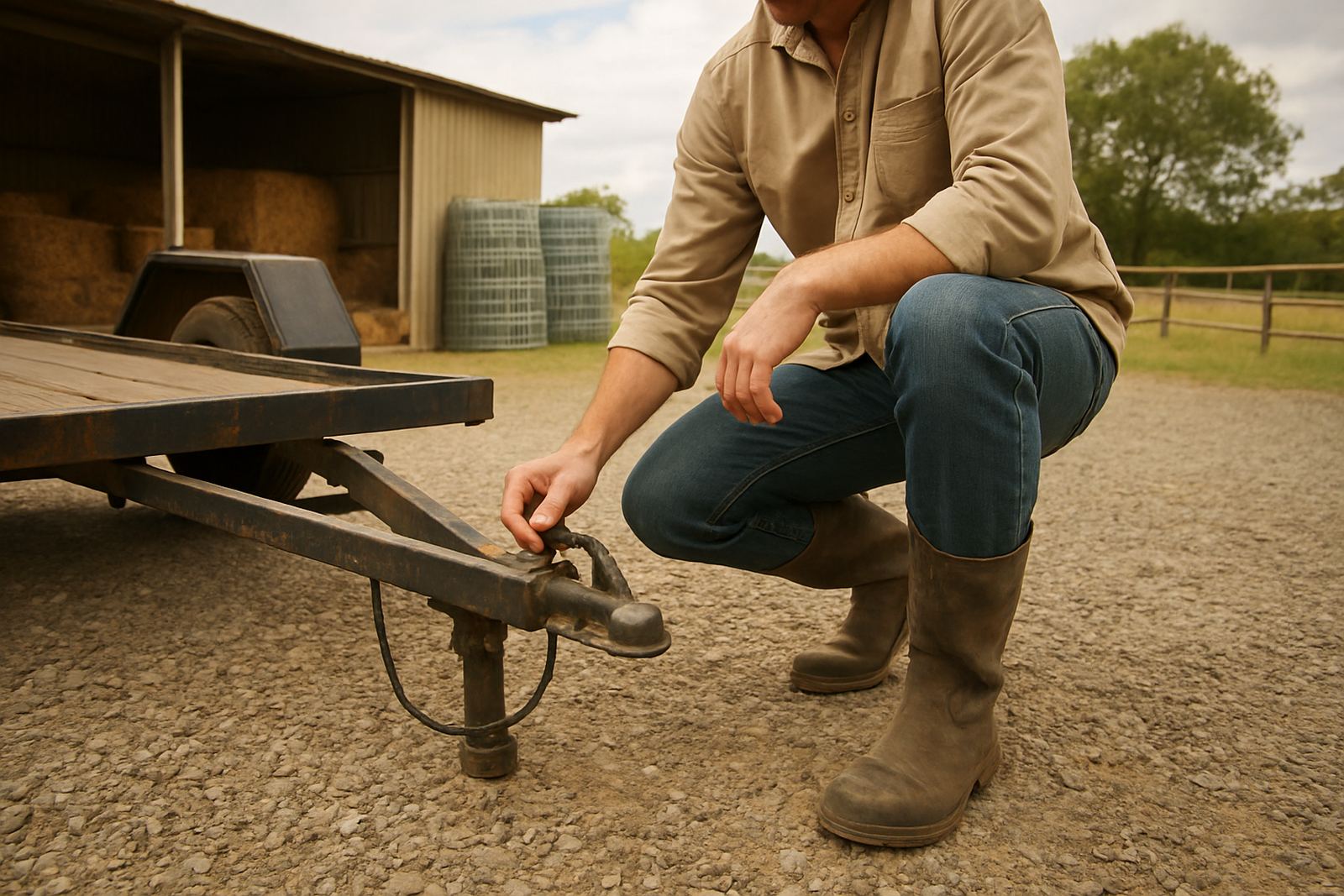
Look closely at tyres, brakes, suspension, clutch feel, towing equipment, lights and any signs of accident repair. On trailers, check the drawbar, coupler, floor, wiring and wheel bearings. On bakkies, check the load bin, tailgate, seat wear and service history where available. A vehicle may look clean in photos but still need money spent straight away. That is where proper viewing arrangements and photo packages help make the decision clearer.
- Test the vehicle under load where possible
- Listen for vibration, knocks and pulling to one side
- Check for oil leaks and patch repairs underneath
- Inspect all locks, hinges and loading points
Budget Ranges for Small Business Buyers
Budget depends on age, make, mileage, condition and the type of work the vehicle must do. For many small business owners, a sensible used bakkie can start in the lower tens of thousands and move upward depending on trim, cab style and working condition. Trailers often cost less than a bakkie, but a well built unit with strong flooring, suspension and proper paperwork can still sit at a meaningful price point. It is better to spend once on the right fit than to buy cheap and replace it soon after.
As a guide, owners often look in these ranges:
- Basic used trailers: a quoted price Ask for a quote
- Work-ready used bakkies: a quoted price Ask for a quote
- Cleaner, lower-mileage business vehicles: a quoted price Ask for a quote
- Specialist or high-spec options: above a quoted price Ask for a quote
Price guidance matters because sellers often price based on what they paid, not what the market will support. A fair price should match the condition, the paperwork and the work the vehicle can still do. If your business depends on quick turnaround, the right price can free up cash for stock, fuel and wages.
Common Buying Mistakes Small Owners Can Avoid
One common mistake is buying for appearance instead of use. Another is choosing a vehicle that is too small, which leads to extra trips, more fuel and lost time. Some owners forget about towing limits, vehicle height at loading bays or the cost of repairs after purchase. Others buy from far away without arranging proper viewing and collection, then spend more on transport than expected.
It also helps to think about who will drive the vehicle. If staff members will use it, the controls should be simple and the condition should be easy to manage. For owner-drivers, comfort matters too because long days on the road can be tiring. Practical support from a buyer liaison and logistics coordinator can make the process easier, especially when the vehicle needs to move from one province to another.
Buy Those helps with seller support, buyer support, buyer matching, price guidance, condition reporting, viewing arrangements, collection coordination and delivery arrangements. For small business owners, that can mean less time chasing leads and more time keeping the work moving.
If you need a used bakkie or trailer that supports everyday business, start with the load, the route and the budget. The rest becomes much easier to judge once those three are clear.