Start With the Final Agreed Price
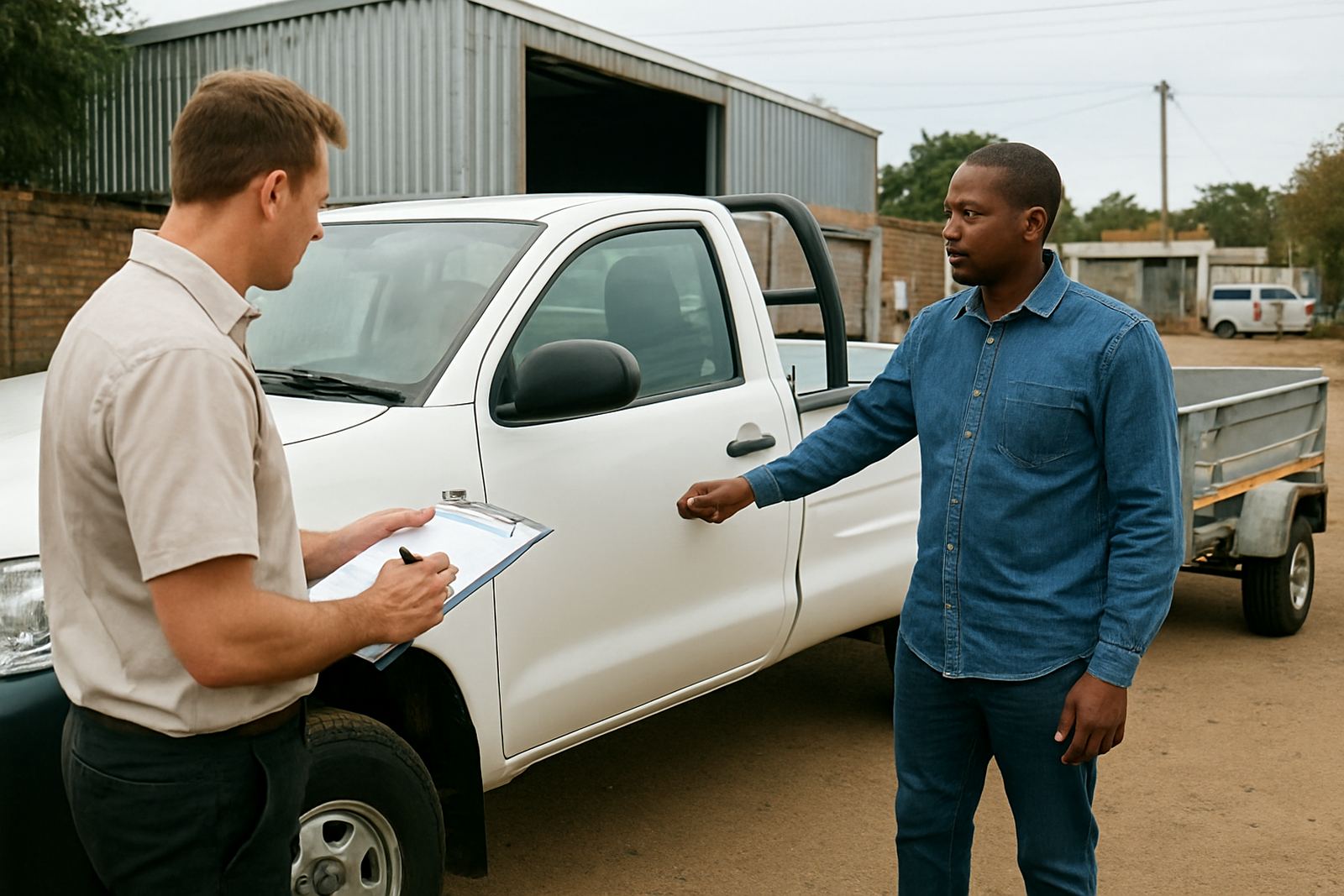
Before payment is made, both parties should confirm the exact sale price, what is included, and whether any extras are part of the deal. That may include a canopy, spare wheel, load bin accessories, tarpaulin, jockey wheel, or any repair that was promised during the sale.
For private sellers and dealers in Kempton Park, Johannesburg, Pretoria, Polokwane, Bloemfontein and Durban, the safest approach is to keep the agreement in writing through the enquiry process. If the vehicle is being sold as seen, say so clearly. If there are known faults, make sure they are noted before the buyer pays. It avoids delays and protects everyone from confusion later on.
- Confirm the sale price in Rand
- List any extras or missing items
- Note defects, dents, electrical faults or tyre wear
- Agree who pays for collection or delivery
Choose a Safe Payment Method
Most sales are best handled by electronic transfer or another traceable method that can be confirmed before release. That gives both sides a clear record and helps avoid disputes. For higher-value bakkies, the seller should wait until funds have cleared and not just rely on a screenshot. A screenshot can be edited, and it is not proof of cleared payment.
Cash is not ideal for larger transactions, especially when a buyer is travelling from another province or arranging delivery. If payment is being made on a weekend or public holiday, allow extra time for banking delays. Power cuts can also slow down admin and handover arrangements, so it is worth planning ahead if the buyer wants to collect after work.
- Use a payment method that can be verified
- Wait for cleared funds before release
- Avoid rushed handovers after dark
- Keep proof of payment on both sides
What Documents Should Be Ready
Once payment is agreed, the next step is to prepare the paperwork needed for handover. The exact documents may differ depending on whether it is a private seller, dealer stock, a bakkie, or a trailer, but the basic idea is the same: both sides need a clean record of the sale.
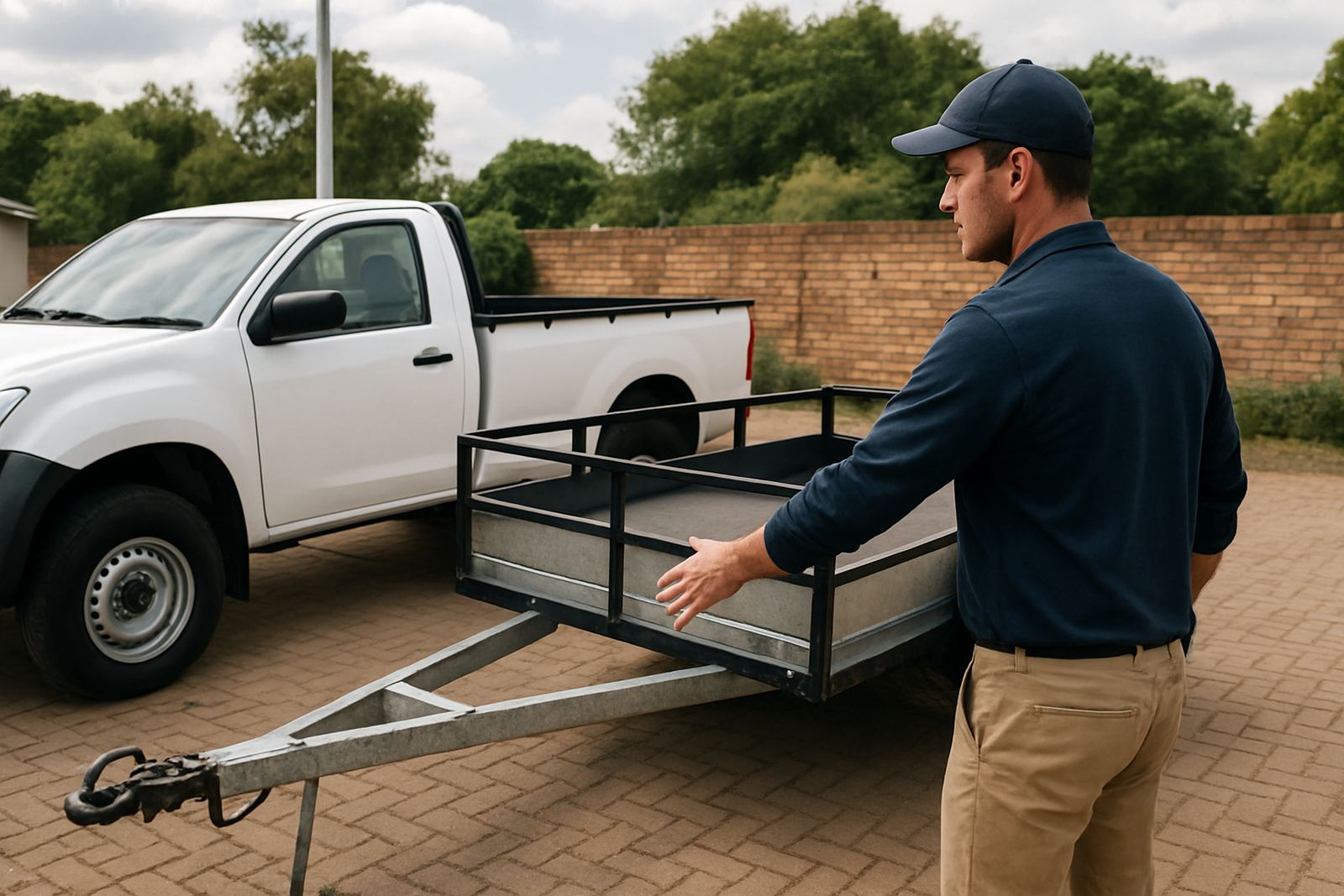
The seller should have the correct vehicle details, identification, and any supporting paperwork that proves ownership or authority to sell. The buyer should check the registration details match the vehicle being collected. If the trailer has a plate, coupling, or load rating noted, confirm those details before payment is finalised. In municipal areas, especially where trailers are used for business, buyers may also need the correct licence or roadworthy paperwork to move it legally.
- Seller ID and supporting sale documents
- Vehicle or trailer registration details
- Proof that the seller is authorised to sell
- Any inspection report or condition note
Use the Inspection Report Before Handover
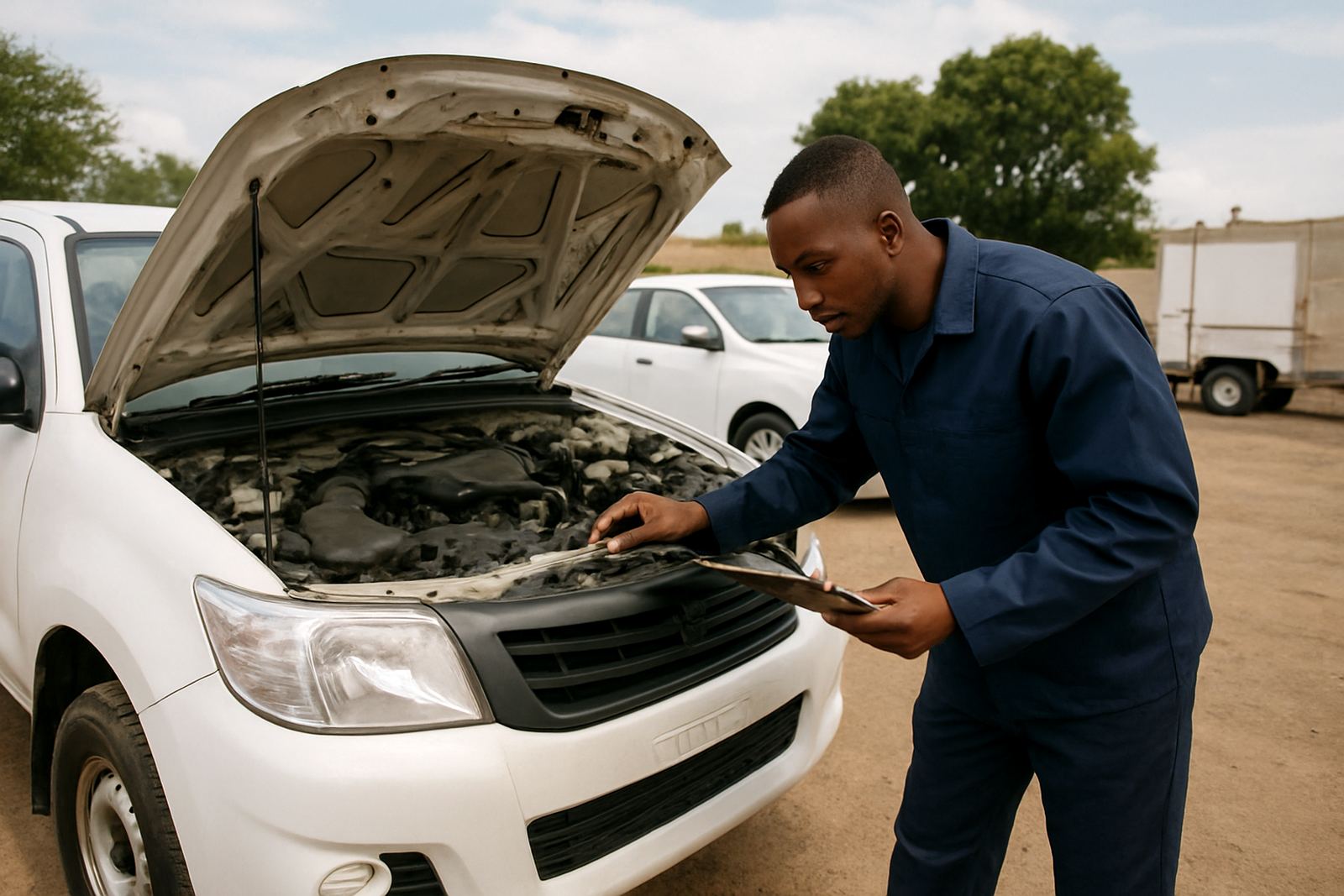
A proper inspection gives both sides a fair view of the vehicle or trailer before money is released. Our inspection process checks the practical items that matter on South African roads, from tyres and brakes to lights, towing gear, body condition, and signs of accident damage. For bakkies used in trade work, we also look at load bin wear, suspension condition, and obvious mechanical concerns.
If a buyer is paying from Durban for a unit in Gauteng, or from Pretoria for one in the East Rand, an inspection report helps reduce unnecessary travel. It also helps buyers make a better decision when the vehicle is going straight to a farm, site, or workshop after collection. Ask for any concerns to be explained before handover so there are no surprises later.
- Review the inspection findings in full
- Check tyres, lights, brakes and towing points
- Confirm the condition matches the listing
- Ask about any repairs done after the report
Arrange Collection or Delivery Properly
Once payment is settled, collection or delivery should be arranged with clear timing. If the buyer is sending a driver or transport partner, make sure the collection person is named in advance and understands what must be checked on site. If the seller is delivering, confirm the address, access gate, and whether there is space for loading or offloading.
For routes between Spartan, Kempton Park and other centres such as Centurion, Polokwane, Bloemfontein or Durban, timing matters. Traffic, weather, and fuel stops can affect the handover time, so it is best to plan the day carefully. Keep the vehicle clean enough for final checks and make sure the keys, licence discs where applicable, and spare items are ready before arrival.
- Confirm the handover time and exact location
- Nominate the person collecting if it is not the buyer
- Check access for trailers and transport vehicles
- Allow time for a final walkaround before departure
Final Checks Before the Keys Change Hands
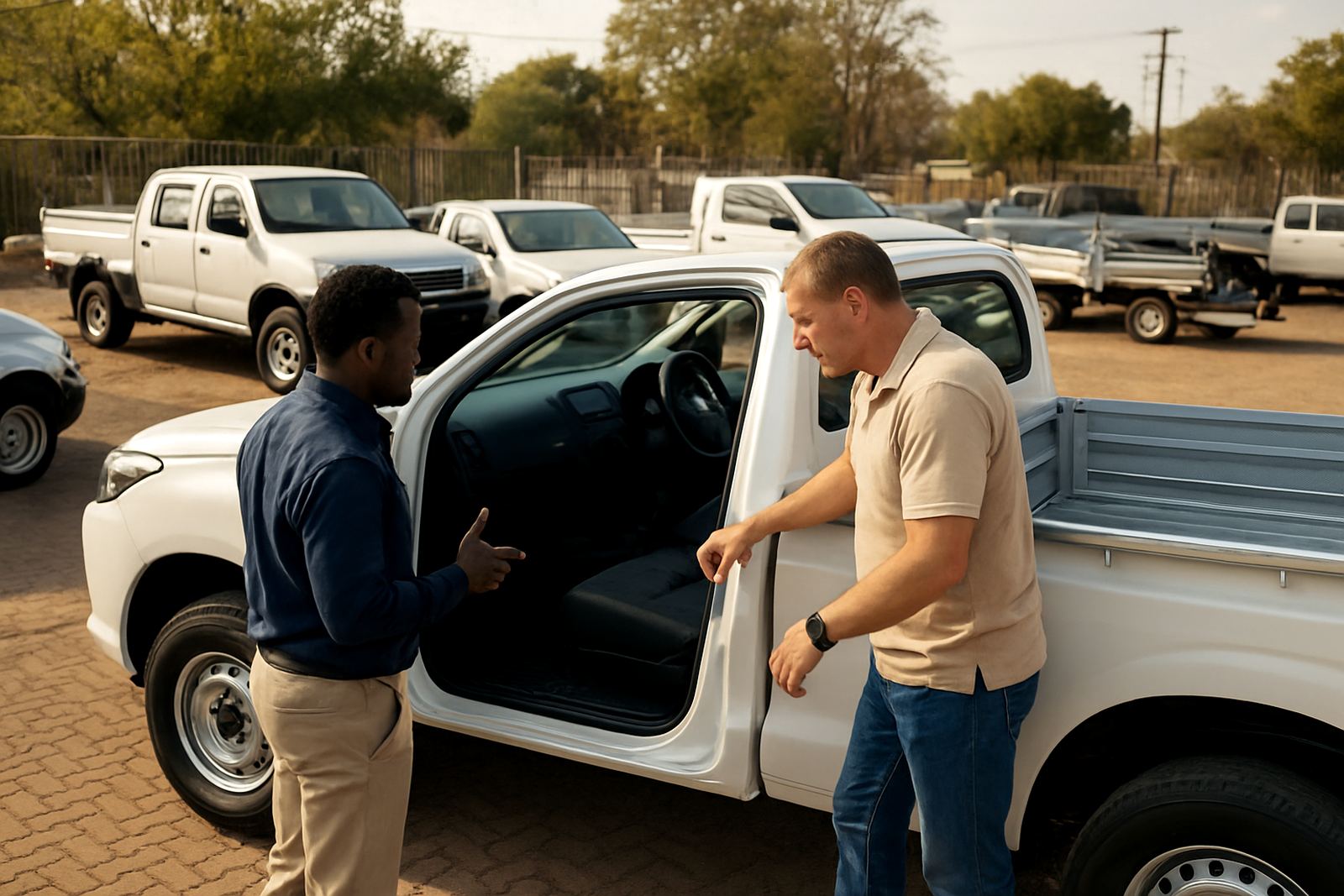
The last stage is a simple but important final check. Walk around the vehicle or trailer with the buyer and compare it to the agreed condition. Check that any agreed extras are present, that the fuel level is what was discussed, and that nothing has changed since the inspection. If the vehicle has electrical accessories, test them before handover, especially after a battery disconnect or long storage period.
This is also the time to hand over anything that belongs with the sale, such as spare keys, wheel spanner, jack, trailer chains, or a loading ramp if included. Once the buyer is satisfied and funds are cleared, the vehicle can be released with confidence. Clear communication keeps the process calm and practical, which is what most buyers and sellers want.
- Match the vehicle to the agreed condition
- Hand over all agreed extras and keys
- Confirm funds are cleared
- Keep a copy of the sale record for both sides