What our inspection covers on bakkies and trailers
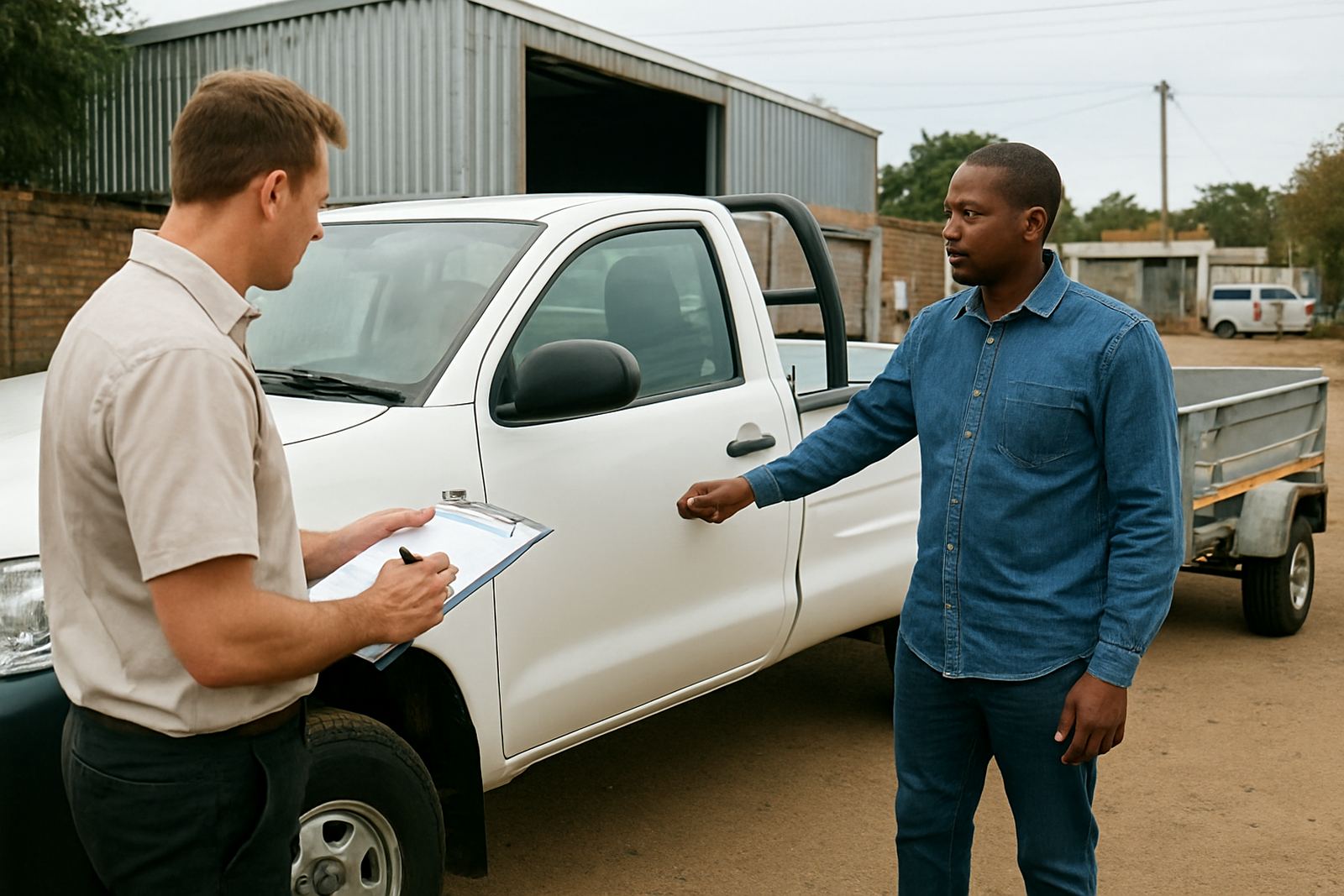
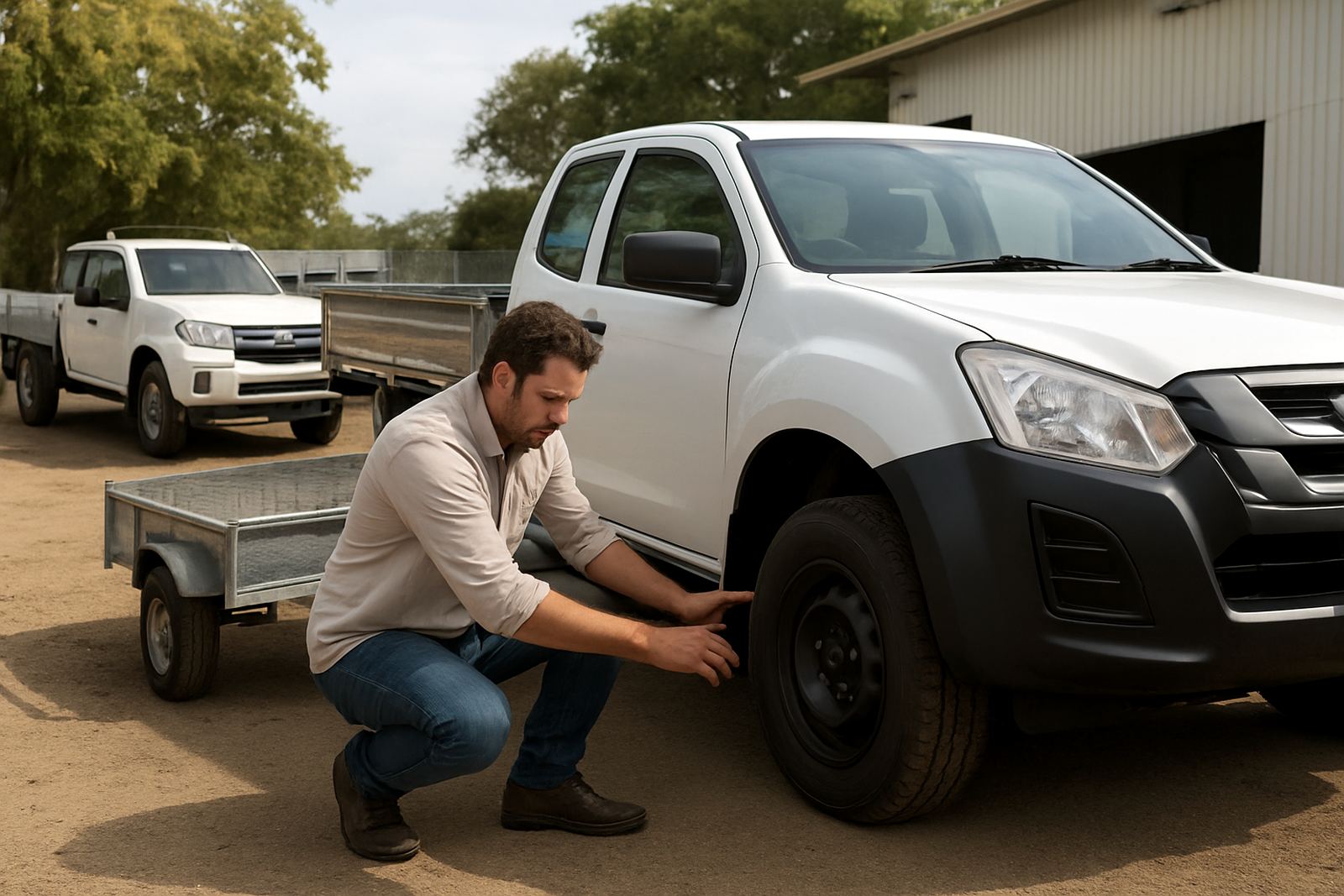
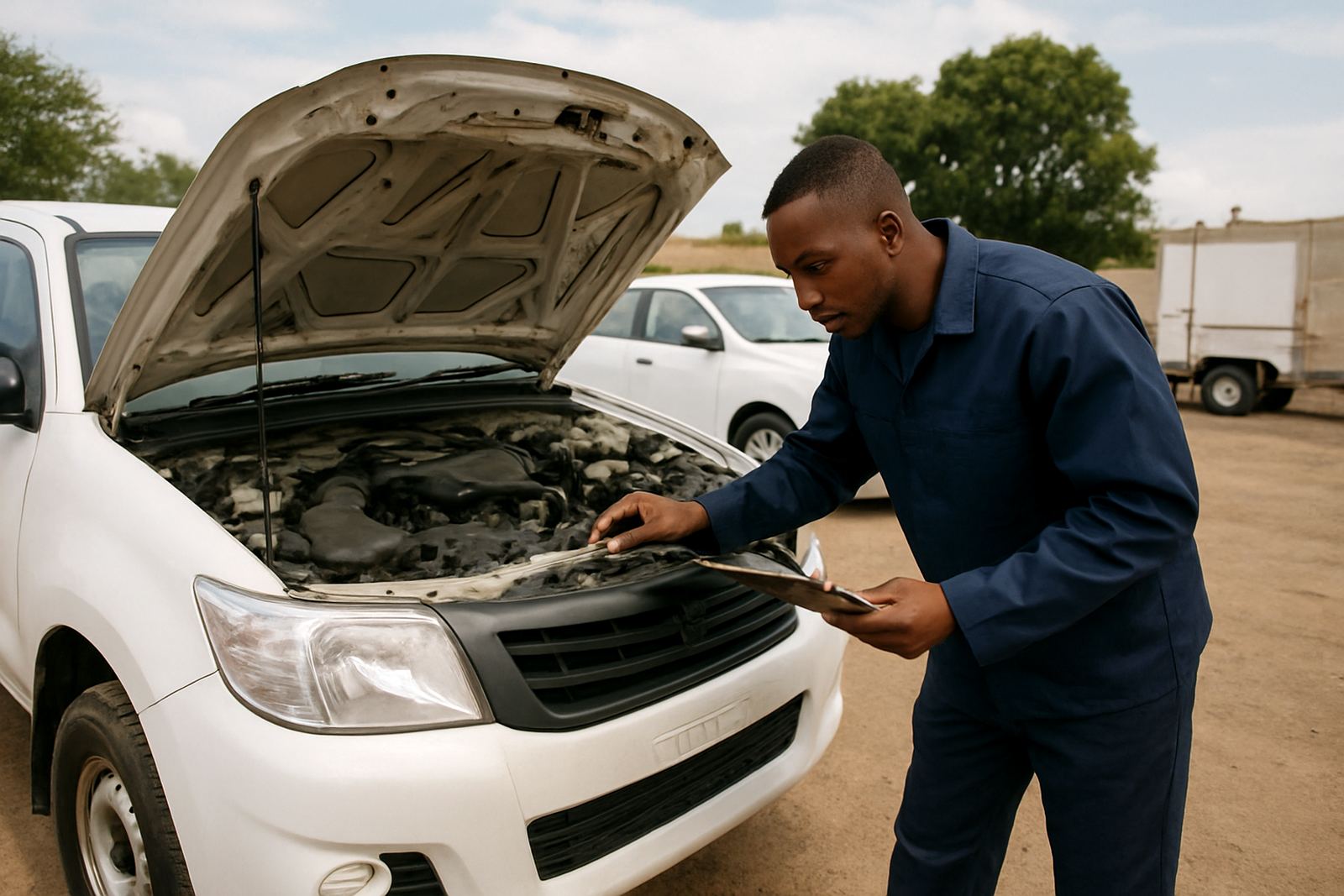
Every inspection is carried out with real buying decisions in mind, not just a quick once-over. We check the parts that matter most on South African roads, from tyres and brakes to load area condition, suspension wear and signs of accident repair. For bakkies, we also look at engine bay condition, warning lights, fluid leaks, body damage, cab wear and any signs that the vehicle has been used hard for towing or site work.
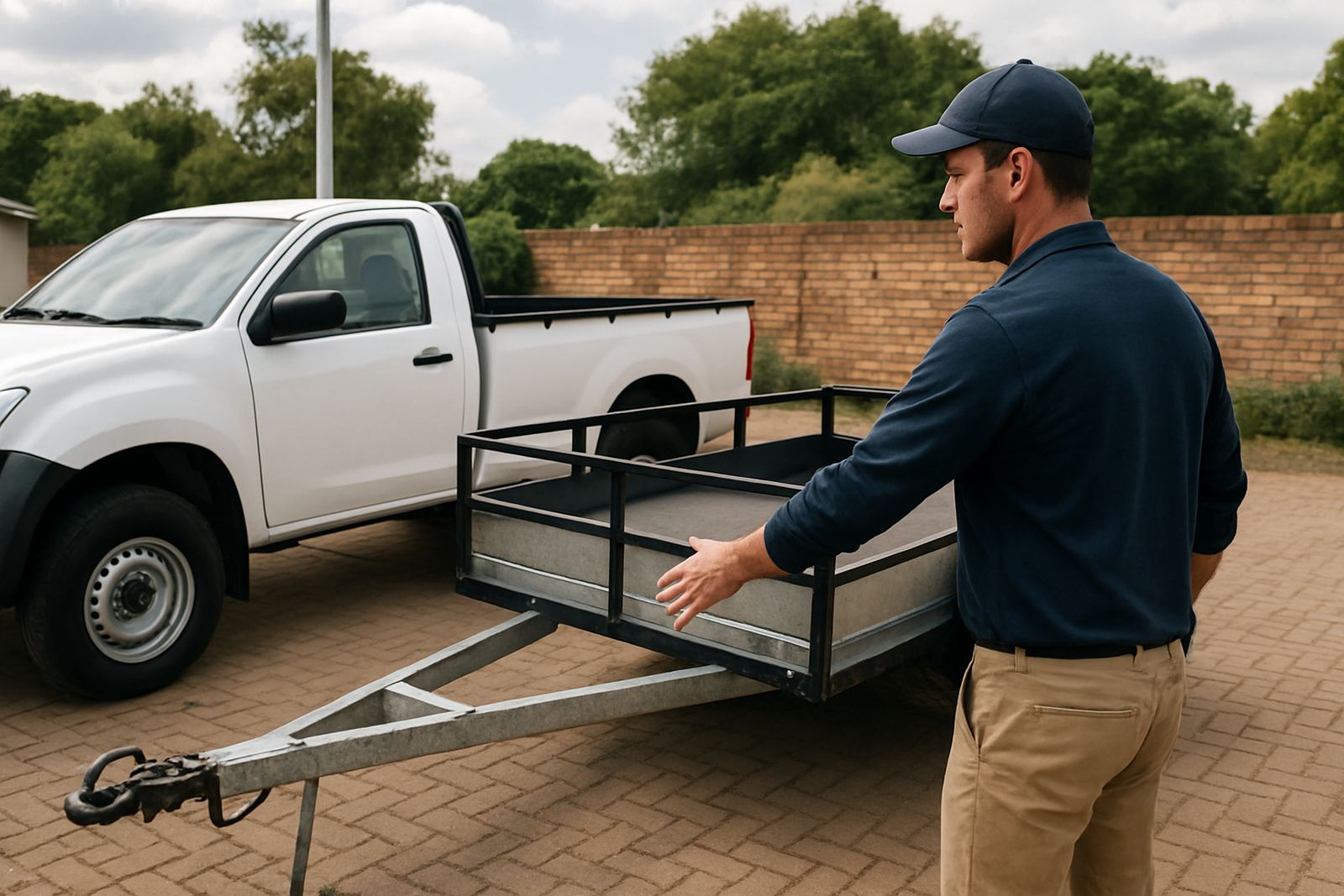
For trailers, the focus is on the chassis, drawbar, floor, coupling, lights, wheels, axle condition and general road safety. In Gauteng, and especially around Kempton Park and the East Rand, we see plenty of bakkies that have done daily work in dust, heat and stop-start traffic. That means small issues can become bigger ones if they are missed.
- Tyres, tread depth and uneven wear
- Brakes, handbrake and towing safety points
- Body, chassis and signs of corrosion
- Lights, indicators and electrical function
- Interior wear, seat condition and controls
- Visible leaks, noise and general road use signs
How the inspection is done step by step
The process is kept straightforward. Once a seller or buyer requests an inspection through the enquiry form, we confirm the vehicle details, location and timing. Sarel Terblanche or another suitable team member then carries out the inspection and records what is seen on site. If needed, we arrange the viewing point, collection access or seller handover so the process stays organised.
The inspection itself follows a clear order. We start with the outside of the vehicle, then move to the underbody, cab or loading area, and finally the mechanical and safety items that are visible without stripping anything down. If the vehicle is not driveable, or if power cuts, weather or access issues affect the visit, we work around that as far as practical.
- Vehicle details and documents are checked first
- Visible body and chassis condition is recorded
- Mechanical and safety items are reviewed
- Photos are taken to support the findings
- A condition summary is prepared for the buyer or seller
What the condition report tells you
The condition report is the part most people use when deciding whether to continue with a purchase. It gives a plain-language summary of what is good, what needs attention and what should be priced accordingly. We do not try to dress up faults. If a bakkie has panel damage, oil sweating, worn tyres or electrical problems, that is stated clearly.
You will also see whether the vehicle looks ready for work straight away or whether it needs follow-up repairs before it is put into regular use. For trailers, the report helps buyers understand if the unit is suitable for local use, long-distance towing or heavier site duties. Around coastal areas like Durban, rust and corrosion can be a bigger concern, while inland vehicles may show more dust and suspension wear.
For sellers, the report helps explain the asking price and can reduce back-and-forth with buyers who want honest detail before making an offer.
How to use the findings when setting or negotiating price
Inspection findings are most useful when they are tied to a realistic price conversation. A clean report can support a stronger asking price, while a report that shows worn tyres, damaged trim or repairs due soon can justify a lower offer or a set-aside for maintenance. Our buyer liaison team helps make sense of the findings so both sides understand what the condition means in Rand terms.
Buyers in Johannesburg, Pretoria, Polokwane, Bloemfontein and Durban often use the inspection to compare more than one vehicle before making an offer. That is sensible, because two bakkies with the same model year can differ quite a bit in condition. The report gives you a fair basis for negotiation, instead of relying on guesswork or a quick phone conversation.
- Use the report to compare vehicles of similar age and mileage
- Adjust for tyres, brakes, service history and visible wear
- Take account of rust, dents, leaks and electrical faults
- Factor in towing use, site work or coastal exposure
When you should request an inspection
An inspection is worth arranging whenever you cannot see the vehicle yourself, or when you want independent feedback before paying a deposit. It is especially helpful for buyers outside the area, for private sellers who want to avoid repeated viewings, and for dealers who need a quick condition check before listing or moving stock. If the vehicle is in Kempton Park, Centurion or elsewhere in the wider Gauteng area, we can usually work out a practical collection or viewing plan.
You should also request an inspection if the vehicle has been standing for some time, if the seller mentions repairs, or if the photos do not tell the full story. Small issues can hide behind a tidy wash and a good angle. A proper look helps reduce surprises later on and can save time on both sides.
What to do after the inspection is complete
Once the findings are shared, the next step depends on what you want to do. Some buyers move ahead with a purchase, some ask for more details, and some walk away if the condition does not suit their needs. All of those are fine. The point is to make an informed choice and avoid buying a vehicle that is not right for the job.
If you are selling, use the report to decide whether to tidy the vehicle, adjust the price, or be upfront about any issues before listing it. Zama Modise, Kopano Gxowa and Nompumelelo Sekhukhune help keep buyers and sellers aligned, while Morne Botha handles collection and delivery planning when a deal moves forward. That means less confusion and fewer delays, which matters when you are trying to move a vehicle quickly.
If you are not sure how to read a finding, send your question through the enquiry form and we will help you work through it in plain language. A good inspection should leave you with fewer doubts, not more.