A Springs Buyer Needed Simple Site-to-Site Moving
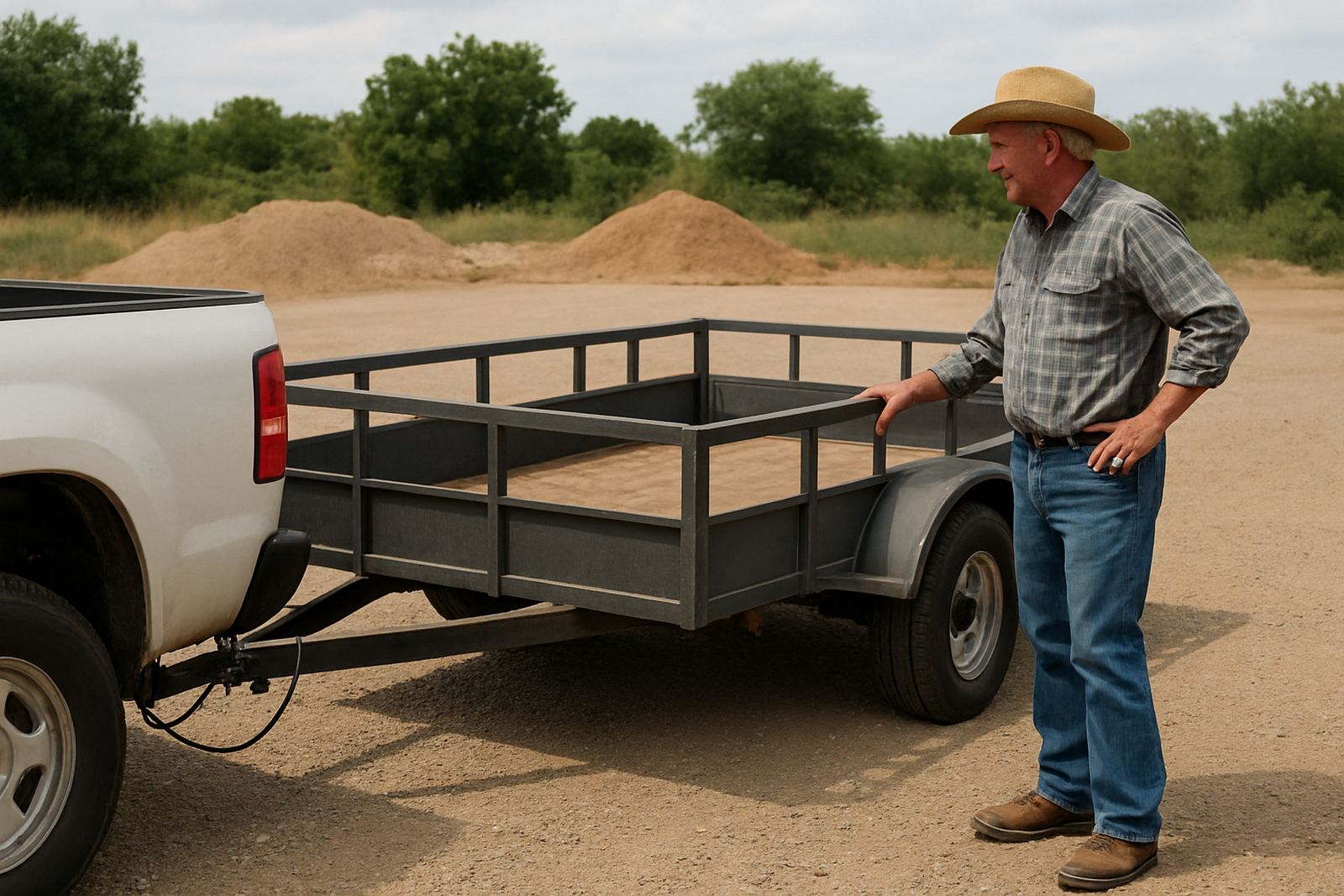
The brief came from a small operations team in Springs that needed a plant trailer for moving compact equipment between local sites and occasional jobs into neighbouring towns. The buyer wanted something practical for site work, not a shiny showpiece, and needed it ready for use with minimal downtime.
Because the work involved short haul runs, municipal roads and uneven loading areas, the key ask was strength, tow stability and honest condition reporting. The buyer also wanted a unit that could be inspected before money changed hands, since the trailer would be used around gravel yards, construction entrances and busy access roads where a weak floor or tired axle becomes a real problem.
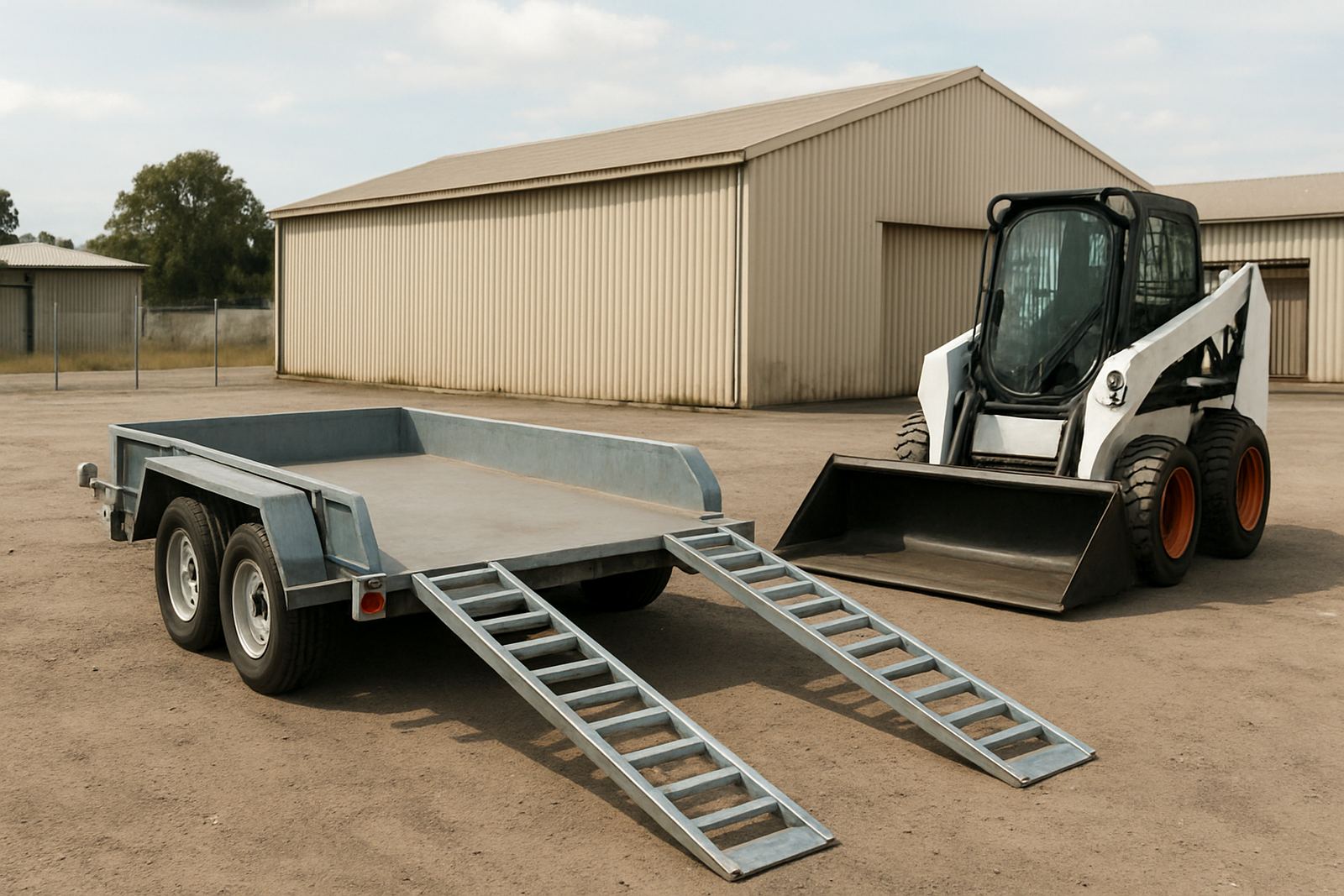
The search was narrowed to a plant trailer with a steel chassis, twin axles, loading ramps, braked running gear and a deck size suited to compact loaders and small machines. The target was a tow unit that could cope with regular use and still keep maintenance manageable under local conditions including dust, summer heat and power cut downtime at storage sites.
What We Checked Before The Buyer Committed
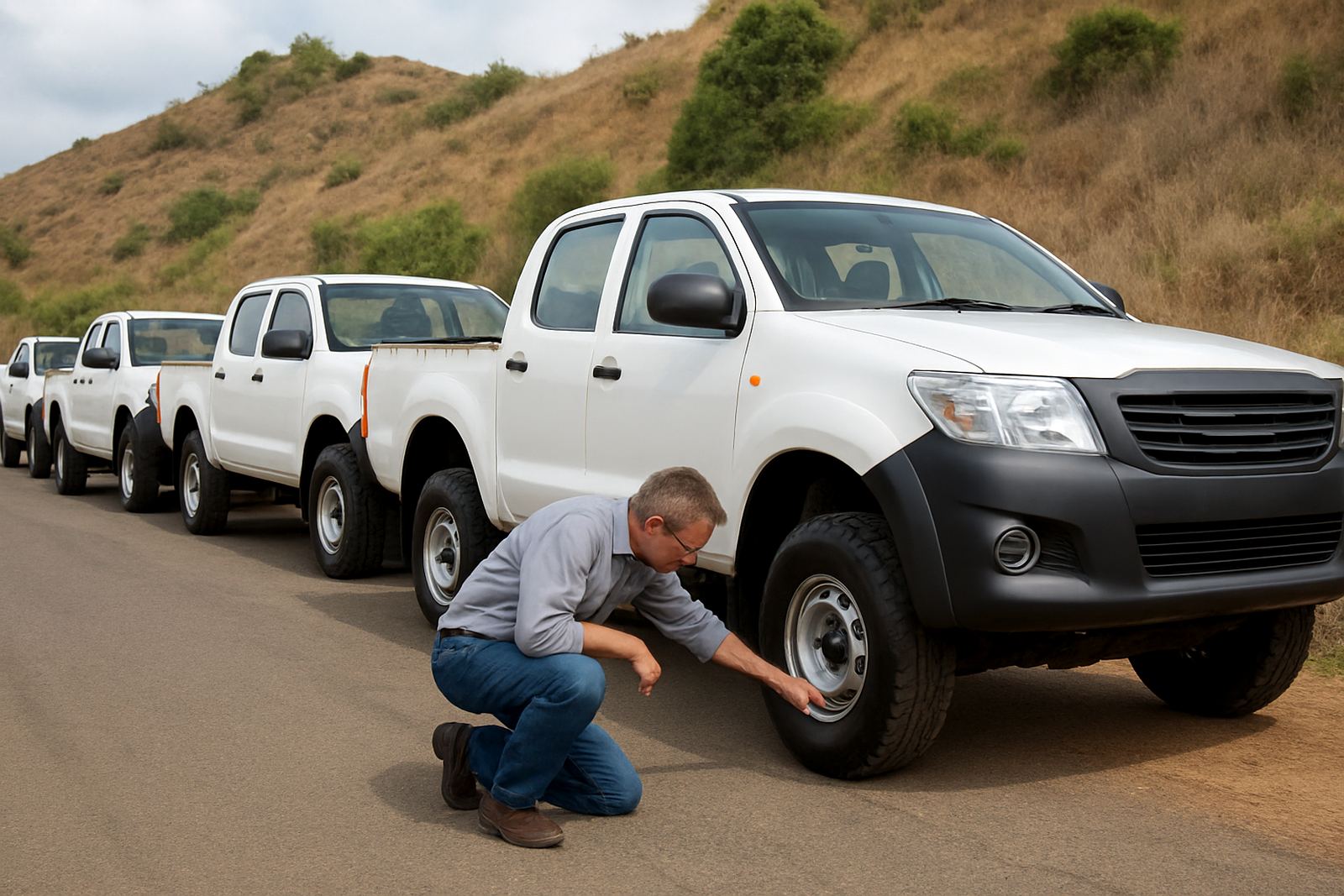
Our vehicle inspector carried out a pre-sale inspection focused on the parts that matter on a working trailer: frame condition, welds, axle alignment, wheel bearings, coupler wear, safety chains, lights, tyres and the deck surface. We also checked for rust at the stress points, damage to the ramps, and any sign of uneven loading that could point to a bent chassis.
The buyer wanted clear facts, so the inspection notes were broken down into usable points instead of general comments. That made it easier to compare the trailer against other options in the market and gave the buyer enough detail to decide quickly without second-guessing the condition.
- Steel plant trailer with twin axles
- Braked tow setup for safer highway towing
- Loading ramps for compact equipment
- Deck size suitable for small plant and site machines
- Tyres and bearings checked before collection
- Visible wear recorded in plain language
The seller was a private owner in the East Rand, so the process also needed a careful approach to viewing times and handover documents. We kept the checks straightforward but thorough, and the buyer got enough detail to move ahead with confidence.
Matching The Trailer To The Job In Hand
This was not a case of buying the cheapest option available. The buyer needed a trailer that would suit compact equipment relocation between sites, with enough clearance and strength for repeated loading. We guided the buyer on what to prioritise and what could be accepted as normal wear on a used unit.
Price guidance was based on the trailer's age, structural condition, tyre life and the cost of bringing it up to working order. That included realistic allowances for small repairs, registration steps and any replacement parts that might be needed after purchase. In the end the buyer chose a trailer that offered the best balance of load capacity and ongoing upkeep.
- Suitability for compact equipment, not heavy earthmoving gear
- Practical deck length for local site transfers
- Lower maintenance risk than a heavily modified unit
- Good tow behaviour for mixed road conditions
- Reasonable asking price for the condition offered
The result was a sensible purchase instead of an over-specced trailer that would have cost more than it needed to. That matters when a buyer is trying to keep transport costs under control while still keeping the fleet ready for work.
Collection, Timing And Delivery Around Gauteng
Once the buyer confirmed, Morne from logistics arranged collection and delivery around the buyer's schedule. The handover was completed within two weeks from first enquiry to delivery, which kept the project moving without dragging on. That timing also helped the buyer line up the trailer with existing work orders and avoid a gap in site transport.
Collection was arranged in a way that reduced idle time for the seller and made it easy for the buyer to receive the unit in working condition. Because the trailer was moving between Gauteng sites, we kept the route practical and planned for power cut delays at the collection point, as well as traffic through the East Rand and Johannesburg side.
On arrival, the trailer was checked again against the inspection notes. The buyer could see the condition for themselves before final sign-off, which is often the point where small issues show up, especially on second-hand plant equipment that has done real work. There was no drama, just a clean transfer and a unit ready to be put to use.
Results For The Buyer And The Site Team
The buyer ended up with a trailer that could do the job it was bought for, moving compact equipment between sites without extra hire costs or last-minute transport calls. The practical benefit was immediate: fewer delays, less reliance on outside transport and better control over daily planning.
For the site team, the key win was predictability. They knew what the trailer could carry, what condition it was in, and what to watch for during use. That reduced the chance of overloading, poor tie-down practices or avoidable breakdowns at the wrong time.
In short, the project delivered a usable plant trailer with documented condition, sensible pricing support and a smooth handover. The buyer got value where it counted, not just a trailer on paper.
What We Would Repeat On A Similar Buy
If we were handling a similar Springs purchase again, we would follow the same approach: narrow the search to the actual job, inspect the wear points carefully, and keep the collection plan simple. That keeps the process practical and avoids wasting time on units that look fine from a distance but fail on the parts that matter.
The other thing we would repeat is the clear condition reporting. Buyers make better decisions when they can compare facts, not guesswork. For used trailers, that means giving attention to bearings, brakes, ramps and structure before anyone commits money.
- Define the load type first, then match the trailer to it
- Inspect the running gear before discussing cosmetics
- Plan collection and delivery around site access and timing
- Keep the budget realistic for immediate servicing if needed
That approach works well for private buyers and dealers alike, whether the trailer is staying in Gauteng or heading further afield to Polokwane, Bloemfontein or Durban.
Key facts
| Project location | Springs, Gauteng |
|---|---|
| Buyer type | Private buyer for site equipment transport |
| Unit type | Used plant trailer |
| Key features | Twin axles, braked tow setup, loading ramps |
| Timeline | 2 weeks from enquiry to delivery |
| Use case | Compact equipment relocation between sites |