The Brief From Midrand
The client was a working farmer based in Midrand, moving between a smallholding, supply points and nearby storage areas. The main need was not a flashy trailer, just something practical that could handle weekly farm runs, post deliveries and the odd heavier load when supplies came in. They wanted a used flatbed trailer with a clean paper trail, sensible tyres and a body that would not give trouble after a few months of hard use.
The brief was clear: keep the purchase within budget, avoid units with rust damage or poor weld repairs, and make sure the trailer could cope with uneven access roads and stop-start towing. The farmer also wanted a size that would fit behind a bakkie without being awkward in tight farm gates or at the local builders yard. That meant we had to balance load space with manoeuvrability.
What Had To Be Checked Before Purchase
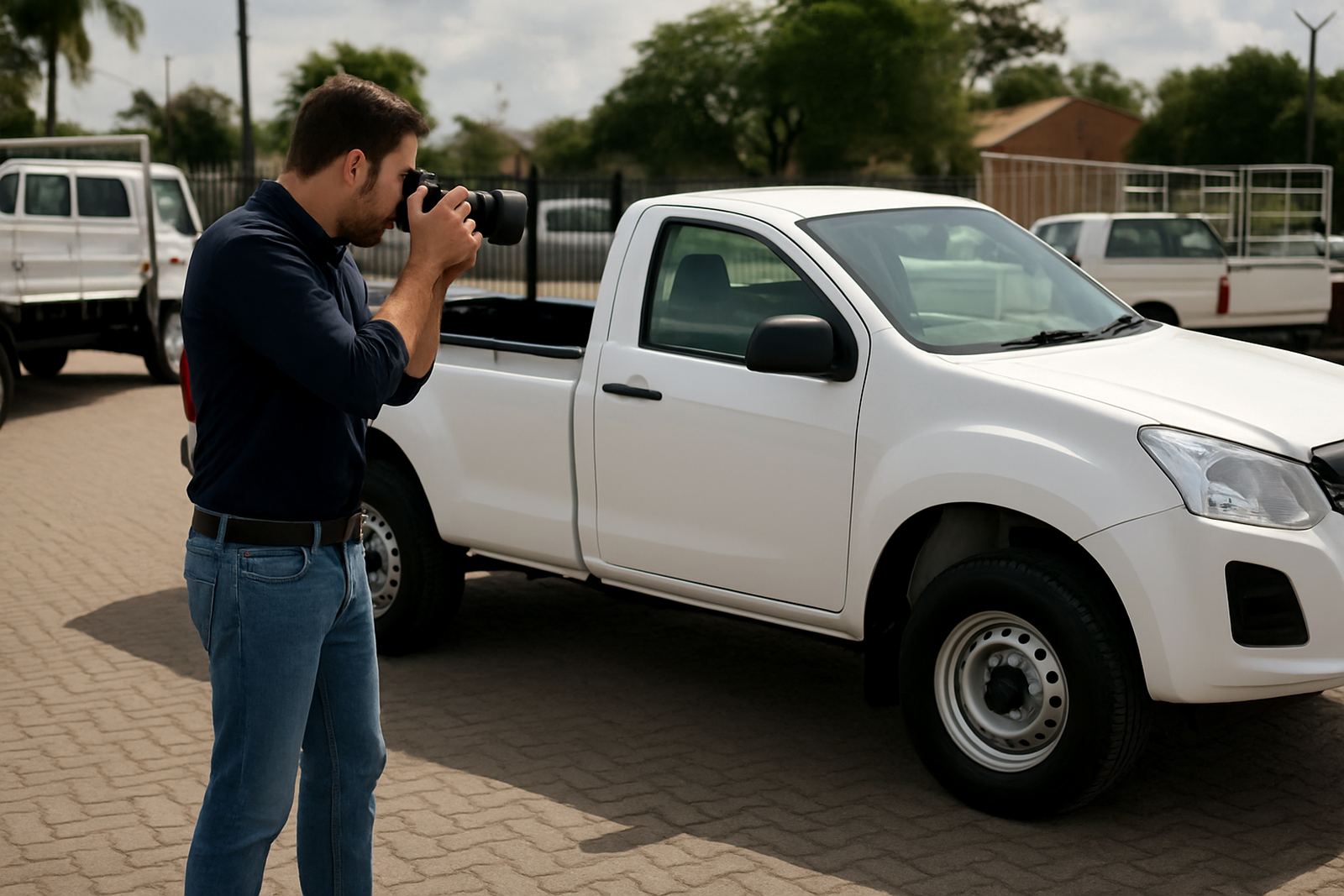
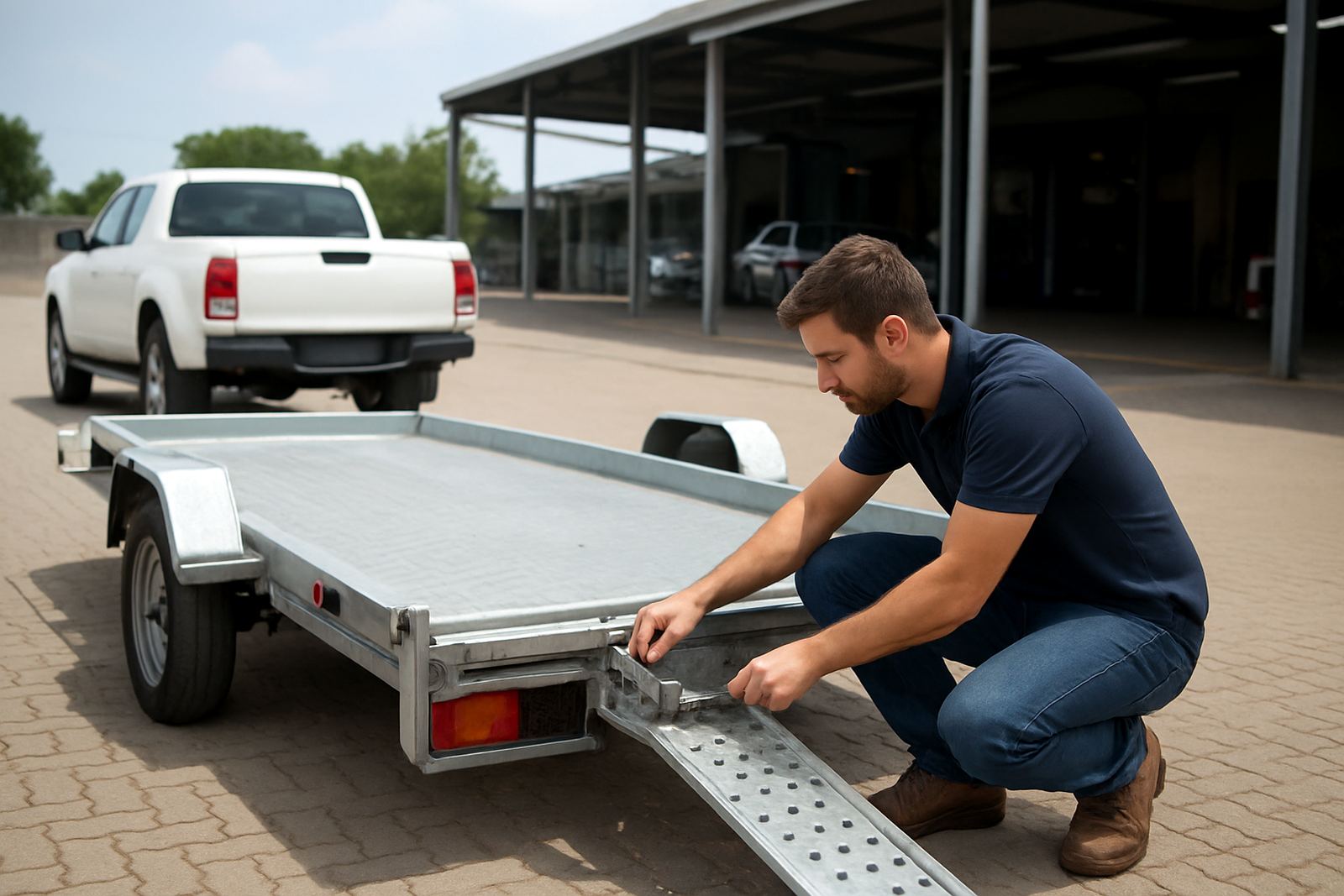
Because the trailer would be used for feed bags, fencing material and general farm maintenance, the inspection had to be practical and thorough. We looked at axle condition, wheel bearings, coupler wear, deck integrity, tailgate strength and whether the floor was still sound under load. Tyres had to hold air properly and show even wear, not the kind of sidewall cracking you often see when a trailer has sat out in the sun for too long.
- Frame and drawbar checked for bends, cracks and previous repair work
- Wheel bearings spun and tested for noise or rough movement
- Tyres inspected for tread depth, sidewall splits and age-related wear
- Lights and wiring confirmed for road use and safe towing
- Deck and tailgate checked for rust, rot or loose fittings
- Licence and ownership details verified before any money changed hands
Midrand traffic and short-notice farm runs can be hard on a trailer, so we also made sure it was practicaly easy to hitch up and stable at low speed. That matters on dirt access roads where a trailer can sway if the load is not centred properly.
The Flatbed Trailer We Supplied
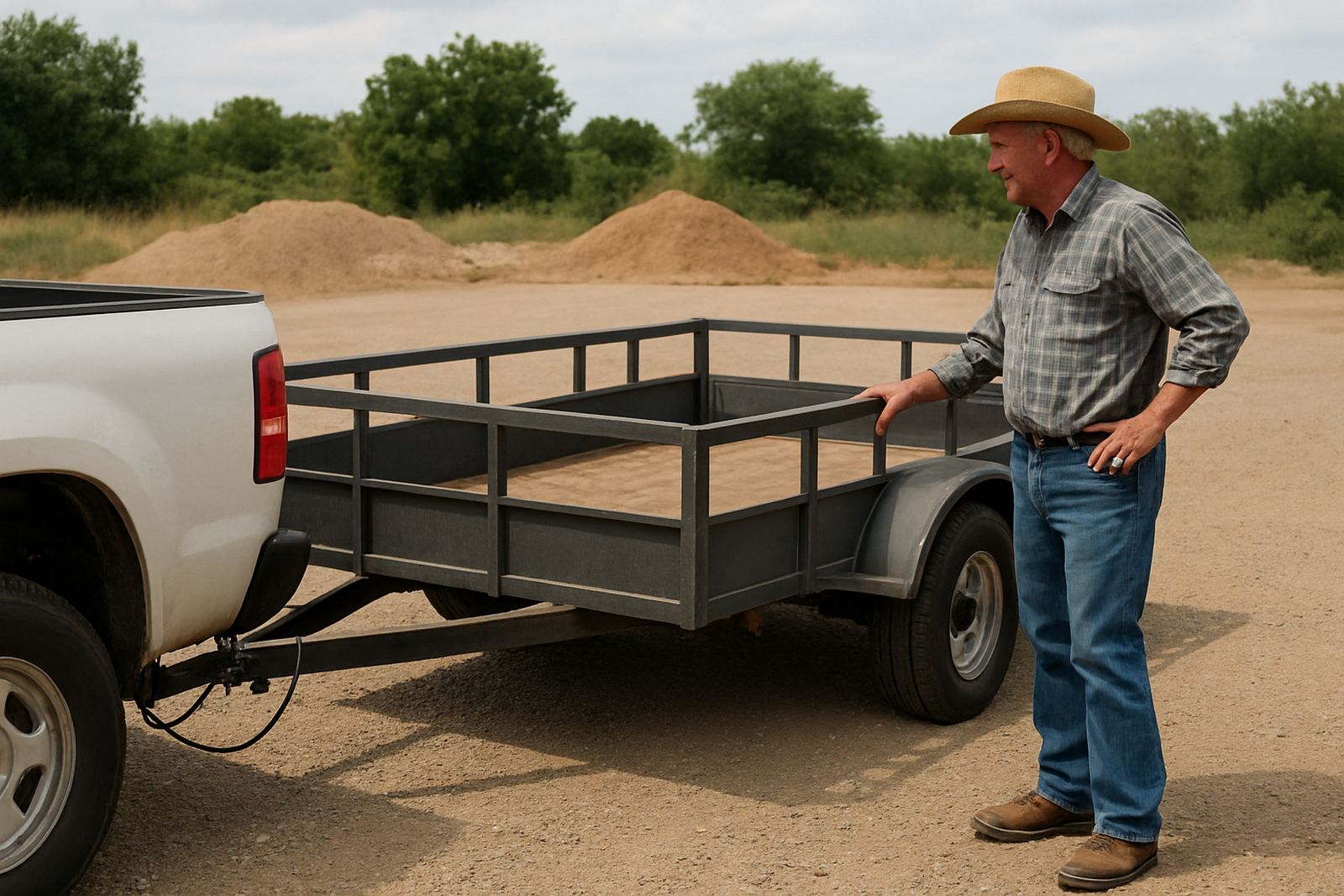
We sourced a used flatbed trailer that matched the farmer’s needs without pushing into unnecessary size or cost. The unit had a steel frame, a flat open bed for quick loading, a rear tailgate and a single axle setup that kept towing light enough for everyday use. It was the sort of trailer that a farmer can load with feed, wire rolls, tools and fencing posts without wasting time on awkward side walls.
The trailer was measured at roughly 3.0 metres by 1.6 metres on the deck, which gave enough space for long materials while still being manageable around the yard. The deck height was low enough for safer manual loading, and the overall condition was good enough for immediate use after a full inspection and basic service checks. We also made sure the tow coupling and safety chain were in order before the handover.
- Flatbed design for mixed farm loads
- Approximate deck size: 3.0 m x 1.6 m
- Single axle layout for easier towing
- Steel construction suited to regular use
- Rear tailgate for quicker loading and unloading
- Suitable for local roads, farm tracks and short delivery trips
How We Managed The Timeline
The full project ran over two weeks from first enquiry to delivery. In week one, we gathered the brief, narrowed down the available trailers and carried out pre-sale checks on the strongest option. Once the farmer approved the condition report and price guidance, we finalised the purchase and arranged the collection plan. There was no need to keep the client chasing for updates, which is often the biggest irritation when someone is trying to get a working trailer on site quickly.
In week two, we handled collection coordination, final paperwork and delivery arrangements to the Midrand property. Power cuts were part of the practical planning too, since some areas around the city can make after-hours loading more difficult. We scheduled around daylight and access times so there was no delay at the gate or at the yard.
- Week 1: brief, search, inspection and price alignment
- Week 2: purchase finalisation, collection and delivery
- Client kept updated through each step by the buyer liaison
Why This Trailer Worked For Farm Use
The result was a trailer that suited the way the client actually works. It was light enough to move around the farm without strain, but solid enough for regular carrying of feed bags and fencing stock. The open flatbed made it easy to tie down long items like poles, rails and packed materials. For a farmer in Midrand, that kind of flexibility is often more valuable than a larger body that is harder to manage on narrow access roads.
The client also appreciated that the condition report was honest and practical, so there were no surprises after delivery. That sort of transparency saves time and money, especially when the trailer needs to start earning its keep straight away. The only follow-up needed was a routine check of tyre pressure and wheel nuts after the first few trips.
- Improved daily hauling for feed and fencing work
- No unnecessary complexity for basic farm tasks
- Easy to park, hitch and load on a working property
- Delivered in working order for immediate use
What We Would Do Again
If we were handling a similar order again, we would follow the same approach: start with the exact job, inspect the trailer properly, then match the size and condition to the client’s real workload. For farmers, the useful questions are always about road access, load type, towing vehicle and how often the trailer will be used. A good choice on paper can still be wrong if it is too large for the gate or too tired for weekly use.
We would also keep the process tight on communication. Sellers want fair pricing, buyers want certainty and both sides need clear timing. That is where our listing, inspection, buyer matching and delivery support come together. It keeps the deal practical and avoids wasted trips around Gauteng.
Key facts
| Project type | Used flatbed trailer purchase for farm work |
|---|---|
| Client location | Midrand, Gauteng |
| Timeline | 2 weeks from brief to delivery |
| Trailer type | Single axle flatbed trailer |
| Deck size | Approx. 3.0 m x 1.6 m |
| Primary use | Feed, fencing posts and general farm transport |