A Roodepoort launch with tight margins
The client was a small delivery operator in Roodepoort starting out with a single vehicle and a small client base around the West Rand. The brief was simple enough on paper, but tricky in practice: find a used bakkie that could handle daily stop-start work, carry general cargo safely, and not drain cash on repairs in the first few months.
They needed something practical for mixed routes in town, with enough load space for parcels, crates and light building materials. The budget was limited, so we had to balance purchase price, running costs, tyre condition, service history and likely repair spend. In this kind of setup, one bad buy can wipe out a month's income quick.
What we had to work around
The main constraint was cost. The client wanted a bakkie that could start earning straight away, but they also needed to keep some money aside for registration, minor mechanical work and fuel. Power cuts were another concern because the business depended on evening planning, route scheduling and phone-based customer updates after hours.
Roodepoort roads also meant a mixed duty cycle. There are short urban trips, some uneven surfaces, and enough traffic to expose weak brakes, worn suspension or tired cooling systems. We narrowed the search to vehicles with sensible mileage for age, decent body condition, and evidence of regular servicing where possible. A few options looked cheap but had signs of hard use, so we ruled those out rather than force a sale.
- Budget-focused purchase with room left for setup costs
- Suitable for daily local deliveries and light loads
- Preference for a manual bakkie with lower repair risk
- Need for quick turnaround, not a long search
Inspection, pricing and buyer guidance
We started by matching the client to a used single-cab bakkie in the right price band, then carried out a pre-sale inspection before any money changed hands. The inspection covered bodywork, engine bay condition, clutch feel, brakes, tyres, suspension wear, lights and general roadworthiness. We also checked for signs of past body repairs and anything that could become a problem once the vehicle was on the road full time.
Our buyer guidance focused on total cost, not only the sticker price. We discussed likely maintenance, the cost of a service, and the value of getting a unit with fewer unknowns rather than chasing the cheapest listing. The seller had listed a fair price, but we still negotiated a better number based on the condition report and a few wear items that needed attention. That saved the client a bit of cash up front.
- Condition report issued before commitment
- Price guidance used to protect the buyer's budget
- Viewing arranged in a time slot that suited the client
- Clear notes on wear items and follow-up maintenance
Collection and delivery into service
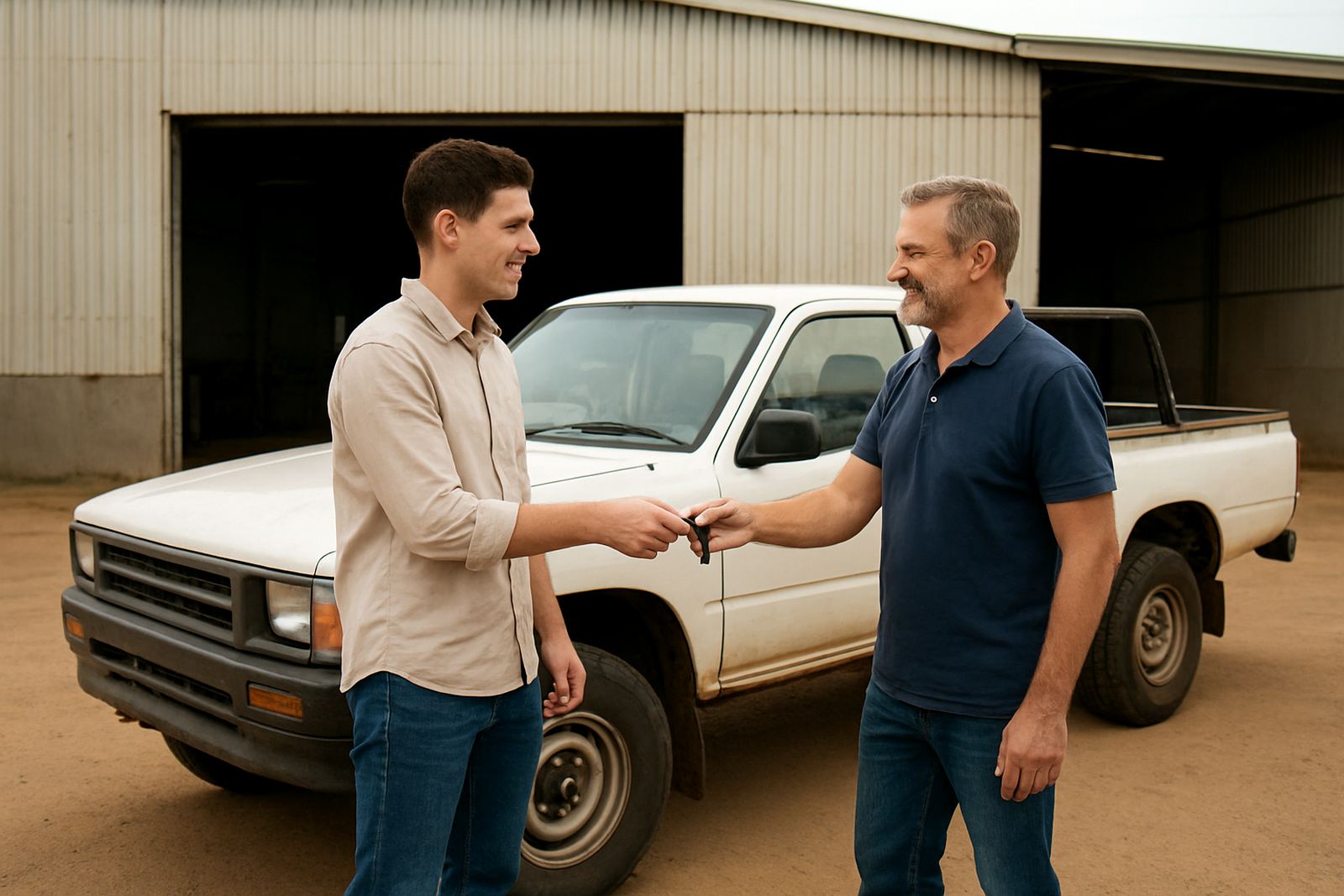
Once the deal was agreed, we coordinated collection and delivery from the seller to the client in Roodepoort. Timing mattered because the owner wanted to get moving as soon as possible and had already lined up a first set of customers. We kept the handover practical and focused on the essentials, including the keys, documents and basic condition at collection.
The unit chosen was a budget single-cab bakkie with a manual gearbox, a standard load bay and enough ground clearance for mixed urban use. It was not a fancy vehicle, and that was exactly the point. The client needed a work tool, not a showpiece, so we kept the process lean and straight. A small service was scheduled soon after delivery to make sure the bakkie started its new job in good shape.
Timeline and what happened over three weeks
The project moved in three weeks from first enquiry to delivery. Week one was the brief, budget discussion and early matching. Week two focused on shortlisting, inspection and pricing talks. Week three covered agreement, collection and final delivery to the client. That pace worked because the buyer knew what they wanted and was ready to act once the right vehicle came up.
For a start-up, speed can matter as much as price. If the vehicle sits waiting for a decision, the business sits too. In this case, the quick turnaround helped the client start taking bookings sooner and avoid turning away work while they were still looking for transport. There was no need for a long drawn-out process, just a sensible one.
Results for the first delivery month
The client went live with a bakkie that matched the job and stayed within budget. The first month brought steadier route planning, less dependence on hired transport, and a cleaner cost structure for the business. The vehicle handled local deliveries well, with no immediate surprises after handover, and the owner could focus on finding customers instead of chasing transport every day.
From our side, the win was getting the purchase right the first time. The buyer had a vehicle they could use immediately, and the inspection process reduced the risk of hidden issues. For a start-up, that matters more than fancy extras. It keeps the business moving and helps cash flow stay under control.
- Vehicle matched to the client's route and budget
- Reduced risk through inspection and condition reporting
- Faster start for local delivery work in Roodepoort
- Better control over running costs from day one
Key facts
| Project town | Roodepoort |
|---|---|
| Client type | Start-up delivery operator |
| Vehicle type | Used single-cab bakkie |
| Use case | Local parcel and light cargo deliveries |
| Timeline | 3 weeks from enquiry to delivery |
| Core support | Buyer matching, inspection, pricing guidance and delivery coordination |