The Polokwane brief and why it mattered
The buyer was a service crew in Polokwane working across town and out into surrounding areas, with regular trips to client sites, stores and depots. They needed one vehicle that could carry people, small tools and consumables without being too heavy on fuel or difficult to park in busy areas. Because the team was moving between jobs most days, they wanted a double cab that could handle gravel patches, stop-start traffic and long open-road runs. The brief was clear: find a clean used bakkie, keep the budget sensible, and make sure the vehicle was ready for work from day one.
The crew also needed a vehicle that would not cause avoidable downtime. In Polokwane, summer heat and long distances between appointments can expose weak cooling systems, worn suspension and poor batteries. We kept those points front and centre while shortlisting options. The buyer wanted honest condition information, not a polished story, so we focused on service history, tyre wear, body condition, cab trim, load bay condition and whether the vehicle started and ran properly after standing. That saved time and kept the search practical.
What the buyer needed from the bakkie
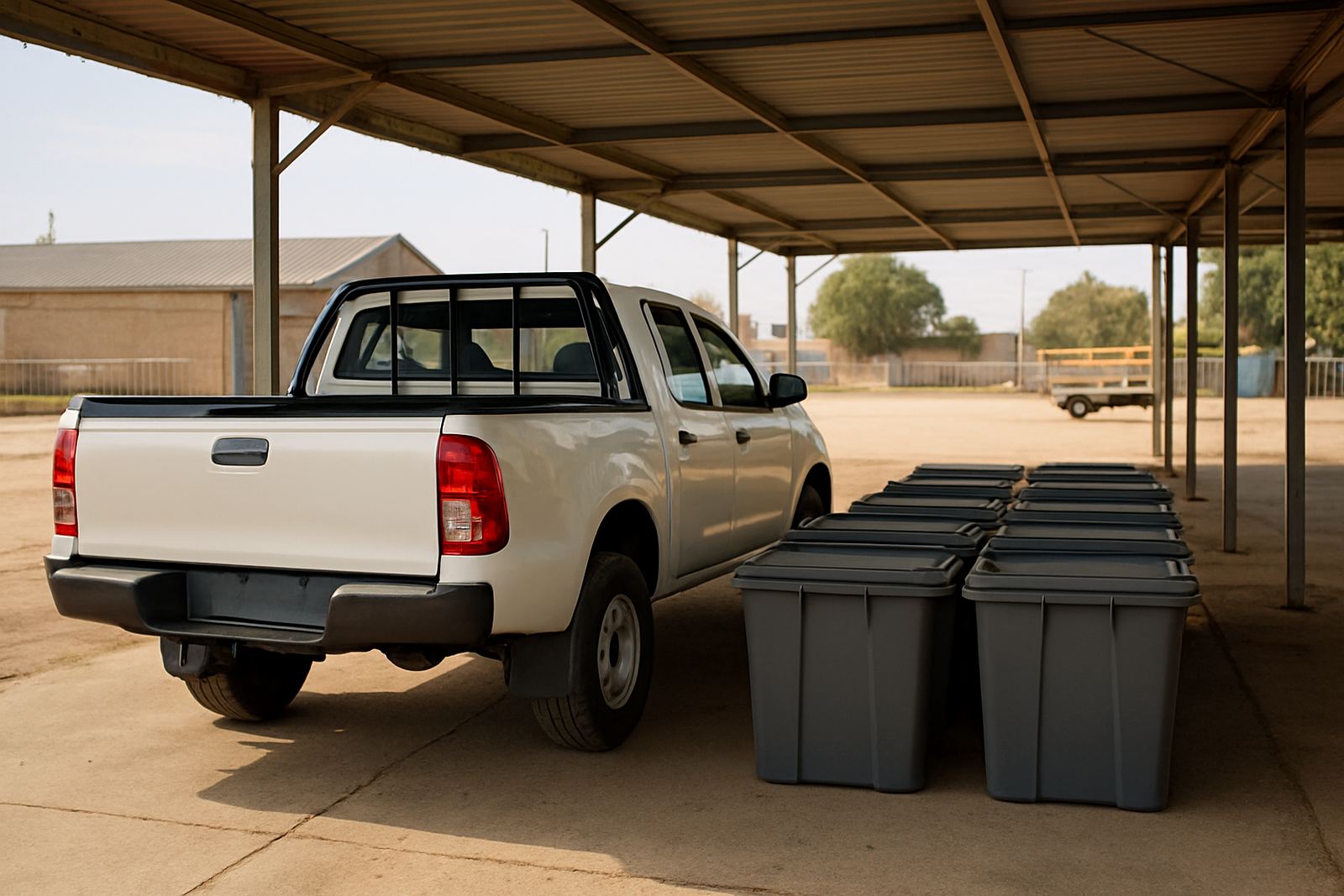
The preferred vehicle had to be a four-door double cab with a 2.2 litre diesel engine, manual gearbox and rear-wheel drive, giving a good balance between load carrying and everyday running costs. The team also wanted air conditioning, central locking, power steering and a tow bar for light trailer use. A load bin liner, canopy rails or a simple canopy were useful but not essential. Importantly, the bakkie needed to be tidy enough for client-facing work, because the crew often arrived in uniform and parked close to entrances.
- Double cab body for 4 to 5 occupants
- Diesel engine for better fuel use on regional routes
- Manual transmission for easier control on mixed roads
- Air conditioning and power steering for daily comfort
- Tow bar and secure load bay for tools and small materials
- Good tyre life, straight body panels and working electrics
We also checked for the kind of wear that can become costly later on. On used bakkies, worn shocks, tired clutches and oil leaks can turn a good purchase into a headache. The buyer was not looking for showroom condition, but they did want a vehicle that had been used properly and maintained sensibly. That was the standard we worked to.
How we handled the search and inspection
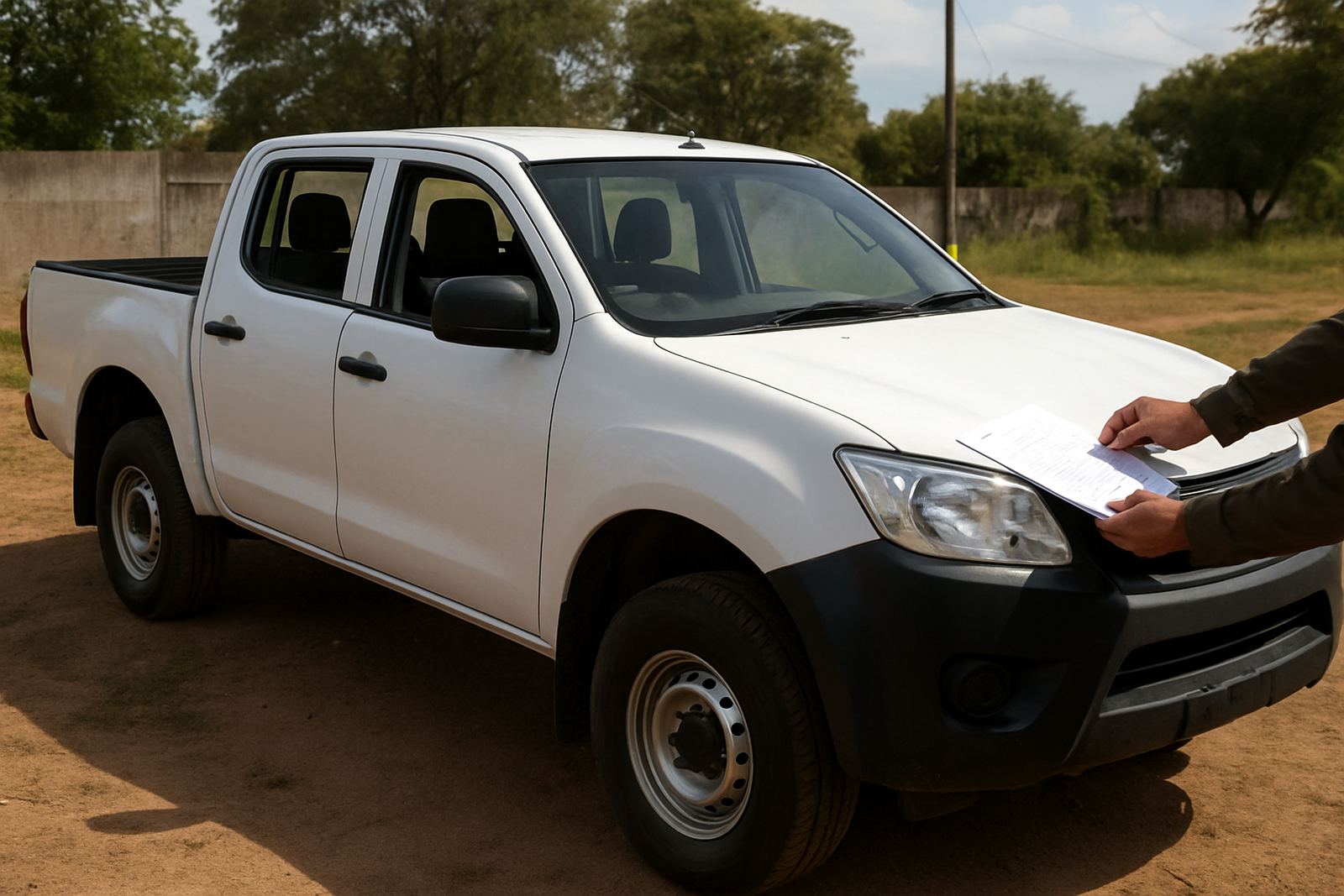
We started by narrowing the pool to used double cabs that were suitable for regional work and available within a realistic budget. From there, we compared asking prices, kilometre readings, tyre condition, cab wear and the overall presentation of each vehicle. Sarel carried out the inspection and condition reporting, checking panel gaps, suspension noise, clutch feel, brake response, oil condition and any warning lights on start-up. He also looked for signs of accident repair, poor paint blending and uneven tyre wear, all of which can point to hidden issues.
The selected bakkie stood out because it was mechanically sound, had a practical spec and looked presentable enough for customer visits. The odometer reading was within the expected range for its age, the engine started cleanly, and the gearbox engaged properly through all gears. The body had light cosmetic marks, which is normal on a working vehicle, but there were no signs of major structural damage. The load bin was serviceable, the tow bar was fitted correctly and the cabin controls all worked as they should. We flagged a few small items for the buyer to keep an eye on, including a worn wiper blade and a tyre that would need replacing later in the year, just normal maintenance really.
Timeline from shortlist to handover
The full process took three weeks from first brief to final handover. In week one, we confirmed the requirements, the budget and the routes the crew travelled most often. In week two, we completed the shortlist, inspected the strongest option and shared the condition notes with the buyer. In week three, we finalised the purchase support, arranged collection and organised delivery to Polokwane. Because the buyer needed the vehicle for work, we kept communication direct and practical so decisions could be made quickly.
- Week 1: brief, budget and use-case confirmed
- Week 2: shortlist prepared and inspection completed
- Week 3: purchase support, collection and delivery arranged
Delivery planning mattered as much as the search. The buyer did not want to lose a day sending staff through to collect the bakkie, so Morne coordinated the transport side and kept the schedule tight. That meant the crew could get the vehicle into service with minimal disruption. It also helped that the inspection was done properly before anything moved, so there were no surprises when the bakkie arrived in Polokwane.
Results for the service crew
The crew ended up with a double cab that suited their day-to-day work pattern and budget. It gave them the space to carry passengers and light equipment in one vehicle, which reduced the need for separate trips and cut down on wasted fuel. The buyer also gained confidence from the condition report, because the key mechanical points had been checked before handover. That made the purchase decision faster and cleaner, with fewer back-and-forth questions.
After delivery, the team could split staff between sites more efficiently and keep tools in the load bay without overloading the cabin. The bakkie was also a better fit for mixed roads around Polokwane and nearby areas, where some routes are smooth and others can be rough after rain or municipal work. For a crew that travels often, that kind of flexibility matters. It is not about having the fanciest vehicle, it is about having one that does the job day after day.
The result was a practical work vehicle that matched the brief and stayed within the price range. The buyer got useful condition detail, reliable handover support and a bakkie that could be put to work straight away. That is what the project was meant to achieve.
What we would carry over for the next Polokwane crew bakkie
If we were handling a similar Polokwane crew transport request again, we would follow the same approach. First, confirm the real daily use, because passenger count, trailer use and road type all change the ideal spec. Second, inspect earlier rather than later, so the buyer is not wasting time on vehicles that only look suitable online. Third, keep the delivery planning linked to the work start date, not just the sale date. That way the handover fits the job, not the other way round.
We would also keep a close eye on tyres, cooling and suspension, especially for vehicles that have spent time on provincial routes. Those are often the areas where a used bakkie tells the truth quickest. A good condition report does not only protect the buyer, it also makes the decision easier for everyone involved. And when a crew depends on one vehicle for daily movement, that clarity is worth a lot.
- Match the bakkie to the actual route profile
- Inspect mechanical wear before deposit or collection
- Plan handover around the crew schedule
- Check tyres, cooling and suspension first
Key facts
| Vehicle type | Used double cab bakkie |
|---|---|
| Region | Polokwane and surrounding routes |
| Engine | 2.2 litre diesel |
| Transmission | Manual gearbox |
| Use case | Crew transport with light tools and site visits |
| Project duration | 3 weeks from brief to delivery |