Project brief from Alberton
The client was an independent artisan working out of Alberton and often travelling between jobs in the East Rand, Johannesburg, and nearby industrial areas. He needed a used bakkie that could handle daily site work, keep tools secure, and still be practical enough for towing a small trailer when needed.
The brief was clear from the start. The vehicle had to be a service body bakkie with lockable compartments, decent ground clearance, and enough payload for tools, parts, and ladders without feeling cramped. It also had to be suitable for long days on the road, where power cuts, stop-start traffic and uneven site access can all take a toll on a vehicle.
- Client type: independent artisan
- Town: Alberton
- Use case: mobile tool transport and site work
- Priority: organised storage and dependable running condition
What we had to work around
This type of purchase usually comes with a few limits, and this one was no different. The client needed a clean, honest unit with service body compartments that opened properly, doors that lined up, and a chassis that had not been badly altered. Rust was a concern because the vehicle would spend time in mixed weather, and we also had to watch for signs of hard use around the rear load area and tow point.
Budget mattered too. He wanted quality used stock, but he did not want to pay for extras that would not add value on the job. So the search focused on practical condition rather than cosmetic shine. We also checked that the layout would suit his equipment, because a good service body is only useful if the compartments work for the way the owner actually loads and unloads gear.
- Watch points: rust, compartment wear, tow setup, suspension condition
- Priority order: function first, then appearance
- Budget approach: value for money over unnecessary extras
How we sourced and checked the unit
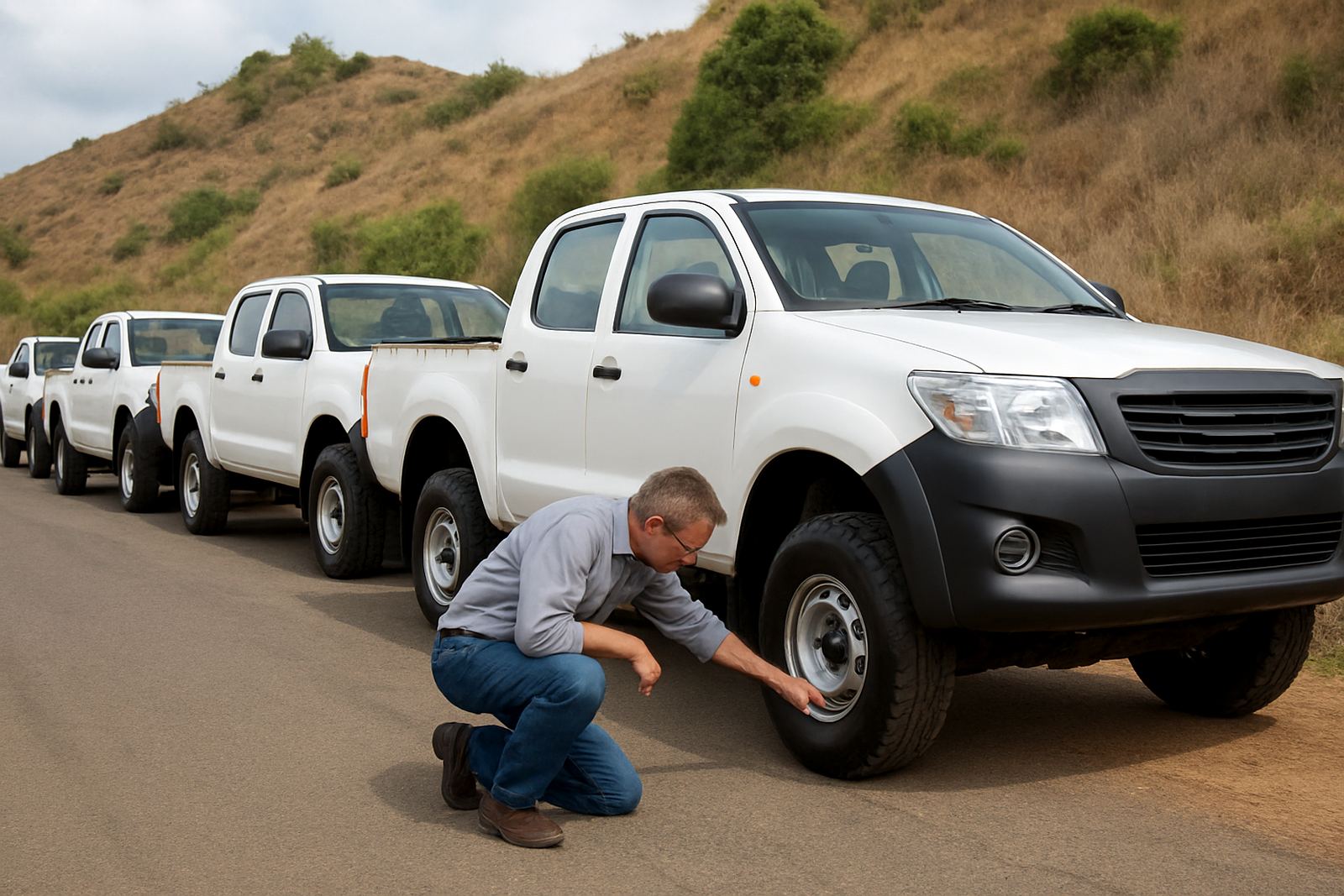
We matched the brief with a service body bakkie that offered the right mix of load space and work practicality. Our vehicle inspector checked the engine start-up, idle quality, steering feel, brake response, suspension, and the condition of the service body itself. We also looked at panel alignment, lock operation, tyre wear, and the general signs that tell you whether a vehicle has been used carefully or pushed too hard.
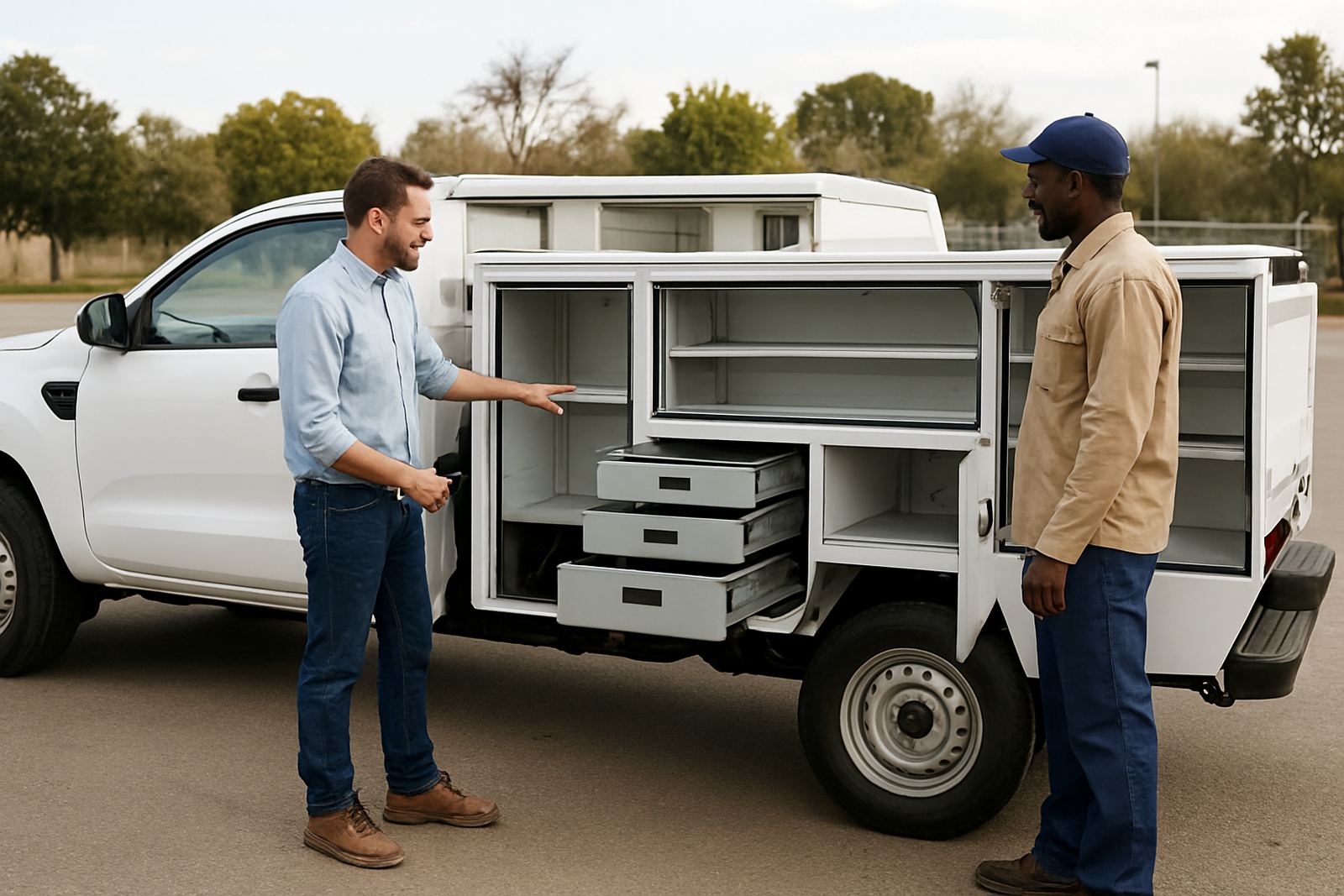
The inspection also included a close look at the rear compartments and mounting points. That matters on this kind of build because a loose latch or tired hinge can turn into daily frustration very quickly. The client wanted a vehicle that would not waste time on the road, so the goal was to find something tidy enough for professional use and honest enough to keep maintenance predictable.
- Inspection points covered: engine, drivetrain, brakes, suspension, body condition
- Service body check: locks, hinges, seals, fitment
- Usage check: suitable for tools, consumables, and job-site access
Specs that made sense for the job
The selected unit was a 1-ton class used bakkie with a fitted service body, which gave the client a sensible balance between carrying capacity and everyday manoeuvrability. The compartment layout allowed tools to be separated by trade item, which helps when you are opening the same lockers a dozen times a day. The load area was practical for spares and bulkier items, while the cab still offered enough comfort for long drives between Alberton, Kempton Park, and Johannesburg.
We also made sure the overall condition supported regular use in South African conditions. That includes dusty roads, hot afternoons, rain, and the kind of stop-start traffic that can heat up a tired vehicle fast. The unit was chosen for its honest working condition and its ability to do the job without fuss, not for flashy appearance or unnecessary extras.
- Body type: service body bakkie
- Capacity class: 1-ton work vehicle
- Use profile: trade work, tools, parts, and site travel
- Key benefit: secure and organised storage on the road
Timeline from enquiry to delivery
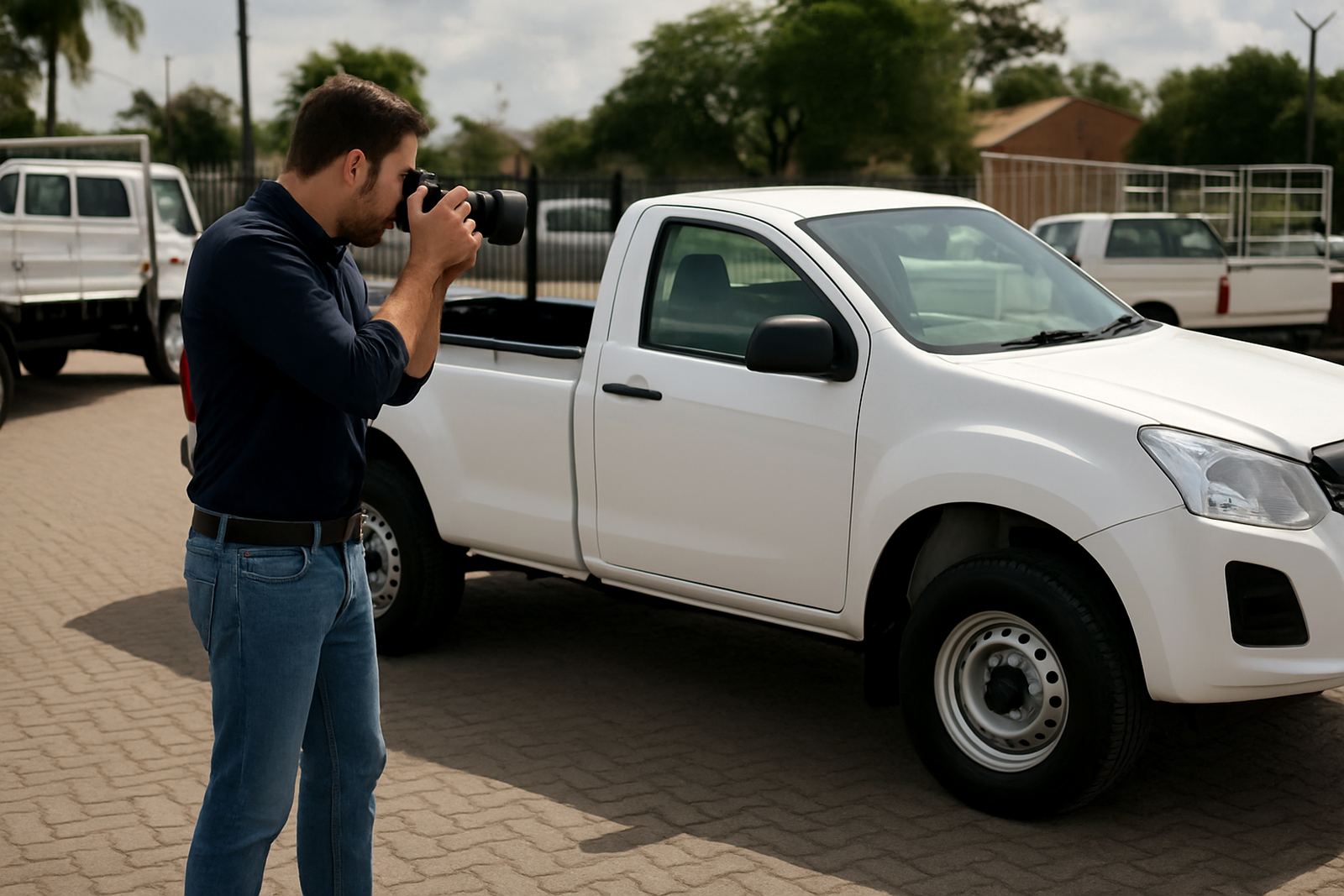
The process took three weeks from first enquiry to final handover. Week one was spent understanding the brief and reviewing suitable units. Week two covered inspection, condition reporting, and buyer feedback so the client could compare practical options without wasting time. Week three was used for viewing arrangements, final decision making, and delivery coordination from our Spartan, Kempton Park base.
Because the client was busy on the tools, we kept the communication direct and useful. He received the key facts, the condition notes, and the price guidance he needed to make a confident choice. Delivery was arranged once everything was confirmed, and the vehicle arrived ready for use. No drama, just a clean process and clear updates.
- Week 1: brief and matching
- Week 2: inspection and reporting
- Week 3: viewing, decision and delivery
Result on site and on the road
The result was a work vehicle that matched the way the client actually earns a living. Tools were easier to sort, job turnaround improved, and the compartment layout reduced the time spent hunting for fittings and spanners. It also gave him a more professional presence when arriving at a customer’s premises, which matters when your vehicle is part of the business image.
From a practical point of view, the purchase did what it needed to do. The client got a used bakkie with proper work value, and the unit suited his route between Alberton, the East Rand, and wider Gauteng. It was the kind of setup that can carry a full day’s load without feeling overworked, and that saves time and money in the long run.
- Better tool organisation
- Faster loading and unloading
- More professional on-site appearance
- Useful for daily travel across Gauteng
What we would do again
If we were handling this same brief again, we would follow the same approach: start with the trade use, then narrow the search to vehicles that suit that exact job. That means checking how the compartments open, whether the body is still square, and whether the bakkie can cope with repeated load use without creating future issues. We would also keep the inspection focused on the parts that matter most to a working owner, not just the shiny bits.
For artisans, contractors, and small business owners, the right used bakkie is often the difference between wasting time and staying organised. This project worked because the brief was specific, the checks were practical, and the delivery was handled properly. That is the kind of buying process we aim for every time, and it saves a lot of headaches later on.
- Start with actual trade needs
- Inspect the body structure and load area carefully
- Keep the process simple and useful
Key facts
| Client area | Alberton |
|---|---|
| Vehicle type | Used service body bakkie |
| Primary use | Tool storage and trade work |
| Timeline | 3 weeks |
| Service area | Gauteng delivery and support |
| Main features | Lockable compartments, practical load space, tow-friendly setup |