What Collection Coordination Covers
Collection coordination is the practical side of a sale after the deal is agreed. We manage the moving parts between seller, buyer and driver so the handover happens cleanly, with the right paperwork, the right person on site and the right vehicle ready to move. That matters whether the unit is in Spartan, on the East Rand, in Centurion or further out in Polokwane, Bloemfontein or Durban.
For used bakkies and trailers, a good collection plan reduces delays and avoids extra costs from standing time, missed gate slots or incomplete documents. It also helps when a seller is working around site access rules, body corporate entry times, warehouse loading bays or municipal traffic restrictions. In busy areas like Johannesburg and Pretoria, a simple time slip can set things back by hours.
- Collection time booking with clear arrival windows
- Seller and buyer handover coordination
- Route planning for local and intercity moves
- Gate, yard and site access guidance
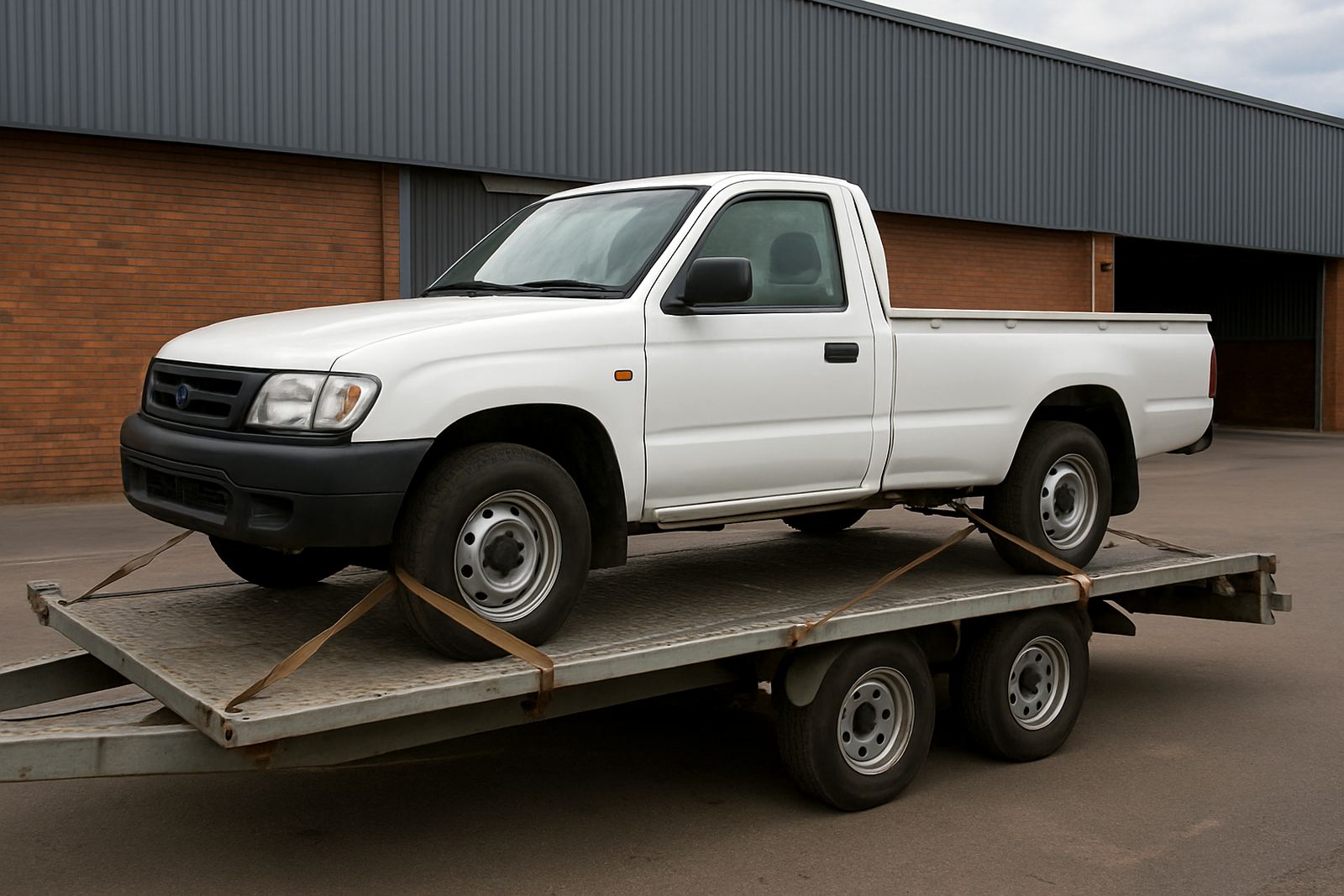
- Support for trailers, bakkies and double pickups
How We Arrange a Handover That Runs Properly
We start with the sale details, then confirm where the vehicle is, who holds it, and what condition it is in on the day of collection. If there are two parties involved, such as a private seller and a dealer buyer, we keep the process clear so each side knows what must happen before the keys change hands. That includes the agreed collection point, any loading gear needed, and whether the vehicle can be driven or must be transported.
Our team also checks practical points that are often overlooked. Tyre pressure, spare wheel availability, trailer couplings, chain condition, load restraint points and licence disc status all affect collection timing. In coastal areas like Durban, extra care is needed for salt air and wet surfaces. In inland areas, dust and heat can affect battery condition and tyre sidewalls if a vehicle has stood for some time. A quick check before collection saves trouble later.
- Confirm seller authority and handover access
- Check whether the unit is roadworthy or requires transport
- Confirm keys, documents and fitted accessories
- Plan collection around work hours and site rules
- Assign the best route for local or long distance movement
Collection Steps From Booking to Departure
Once the collection date is approved, we work through a simple sequence. First, we confirm the unit details and the collection site. Second, we align the buyer or their driver with the seller and set an arrival time that allows for inspection and signature checks. Third, we brief the collection team on the vehicle type, towing needs, access points and any risks such as low ground clearance, long trailers or narrow driveway exits.
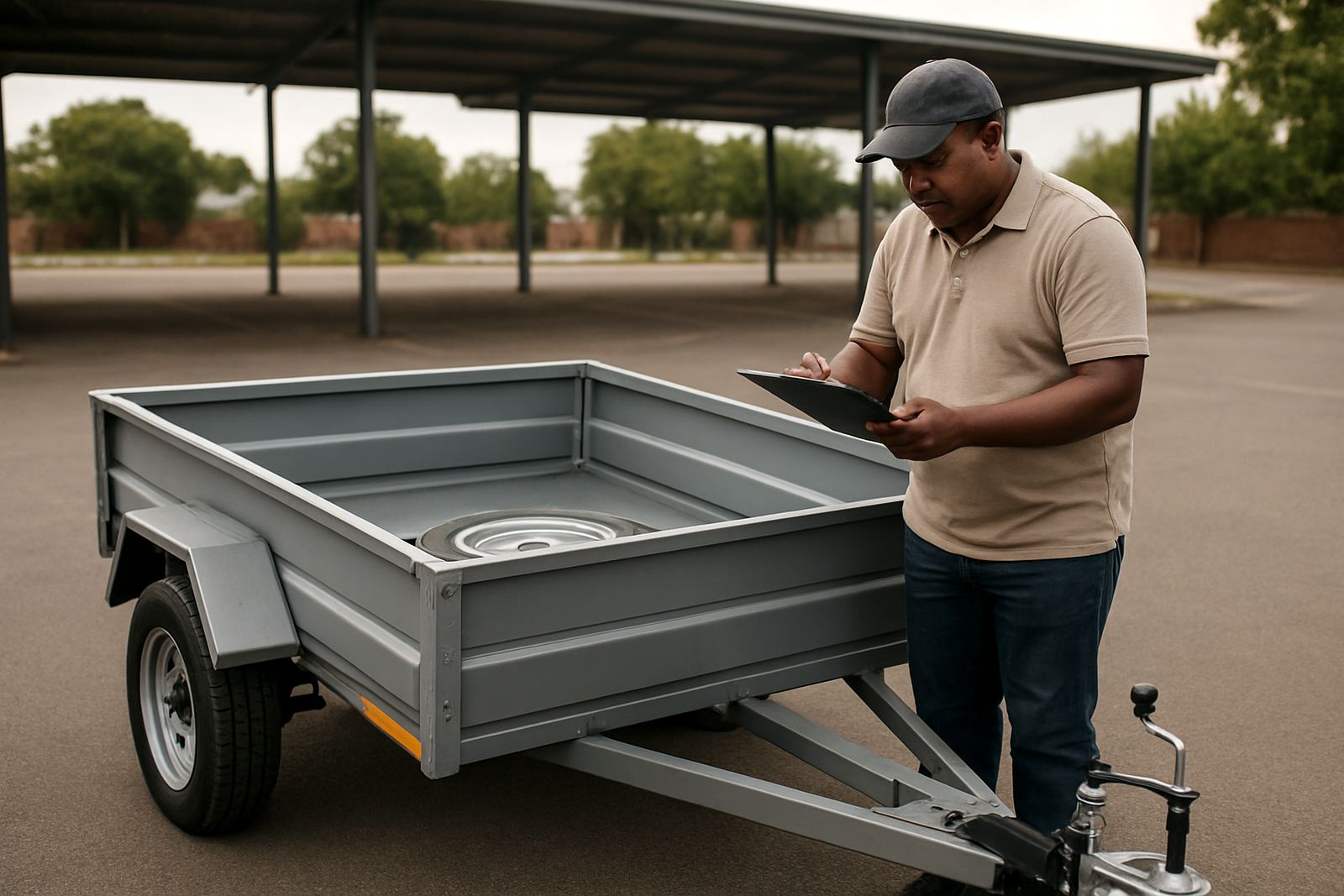
On the day, the handover is checked point by point. If there is an outstanding condition report, it is matched against the vehicle as presented. The odometer, visible body condition, tyre state and any noted damage are checked before departure. For trailer collections, we also look at safety chains, electrical plugs, lights and coupling fit. If anything is not as agreed, the issue is flagged before the unit leaves the site.
- Step 1: Booking and collection details confirmed
- Step 2: Site access and timing aligned
- Step 3: Vehicle or trailer checked on arrival
- Step 4: Handover documents completed
- Step 5: Departure and route confirmation
Turnaround Times Across Local and Long Distance Moves
Turnaround depends on where the unit is located and how ready it is for release. In Kempton Park, Johannesburg or Pretoria, same day or next working day collection can often be arranged once all details are confirmed. For Polokwane, Bloemfontein and Durban, timing depends on transport slots, route conditions and any extra loading requirements. A clean handover with no document gaps is always quicker than a rushed one.
For buyers and sellers who are trying to align several vehicles, or who need collection outside ordinary business hours, we build the schedule around what is practical. This is useful for dealers who need to clear stock before month-end, and for private sellers who want the unit gone before a move, lease handback or workshop booking. If a trailer is standing outside, we also factor in weather exposure and security arrangements so it is not left open to theft or damage.
Typical collection planning windows are:
- Urban same-day: 2 to 6 working hours after confirmation, where access allows
- Local metro collection: 1 working day in most cases
- Intercity collection: scheduled by route and driver availability
- Complex handovers: allow extra time for document checks and site access
Pricing Approach and What Affects the Cost
Our pricing approach is straightforward. Collection coordination is quoted according to distance, access complexity, vehicle type and whether transport is needed. A bakkie on a paved site with wide access is simpler than a trailer parked behind a workshop, a unit in a locked yard, or a collection that needs after-hours entry. If the move crosses city boundaries or requires a return trip for documents, that is built into the quote up front.
We keep the cost structure practical so sellers and buyers can see what they are paying for. There are no surprise add-ons for basic coordination. Where special handling is needed, such as a non-starting vehicle, brake issues, damaged trailer lights or a low clearance loading ramp, we explain the extra work before anything is booked. That gives both sides a fair idea of the final handover cost and avoids confusion on collection day.
- Distance from collection point to destination or loading hub
- Roadworthiness and whether towing is required
- Site access, waiting time and loading conditions
- Intercity routing and fuel planning
- After-hours or weekend arrangements if requested
Maintenance Intervals Before Collection
Before collection, we recommend a few practical checks at set intervals so the unit is ready when the transporter or buyer arrives. For vehicles that have been standing, battery health should be checked within 24 to 48 hours of the planned move. Tyre pressure and visible fluid leaks should be checked on the day before collection. For trailers, wheel bearings, lights and coupling hardware should be inspected within 48 hours, especially if the trailer has been stored outdoors in rain, heat or coastal humidity.
If the handover is delayed, it is sensible to repeat basic checks every 7 days until the unit moves. That includes battery charge, tyre pressure, security of loose parts and condition of the load bed or canopy. On used bakkies, a quick look at brake feel, warning lights and cooling system level is useful before departure. Small issues caught early are easier to deal with than a breakdown on the N1 or sitting at a depot with a flat battery.
- 24 to 48 hours: battery, tyres and leaks
- 48 hours: trailer lights, hitch and wheel bearings
- 7 days: repeat checks if collection is delayed
- On collection day: fuel, fluids, keys and documents
Collection Coordination For Buyers And Sellers
Collection coordination saves time for everyone involved. Sellers do not have to manage repeated calls, missed arrivals or unclear instructions. Buyers know when to expect the handover and what condition the unit should be in. Dealers can move stock faster, and private sellers get a clean exit without having to stand around waiting for a transporter who is running late.
Our team in Spartan, Kempton Park works with enquiries from Johannesburg, Pretoria, Centurion, the East Rand, Polokwane, Bloemfontein and Durban, so we are used to handling different site rules and different kinds of access. Whether the collection is for a single trailer or a fleet of used bakkies, the aim is the same: a proper handover, fair timing and no unnecessary hold ups.
For collection support, the enquiry form on our contact page is the best way to start. From there, we can line up the next steps and keep the process moving in a proper order.
Key facts
| Service area | Kempton Park, Johannesburg, Pretoria, Polokwane, Bloemfontein, Durban, East Rand, Centurion |
|---|---|
| Base | Spartan, Kempton Park |
| Typical unit types | Used bakkies, single trailers, tandem trailers, work trailers |
| Turnaround | Same day to 1 working day locally, route dependent for intercity moves |
| Collection windows | Business hours, with after-hours by arrangement |
| Quote basis | Distance, access, vehicle condition, towing needs and waiting time |